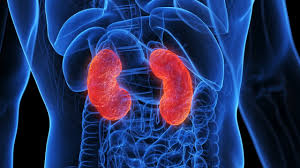
Silent Kidney Crisis in Hyderabad: What You Need to Know
A new kidney health crisis is emerging in Hyderabad, affecting young, urban, non-diabetic individuals. According to a recent study by the Indian Council of Medical Research, one in every 14 people in Telangana has impaired kidney function. This alarming trend is not among the elderly or those with diabetes but is found in healthy individuals in their 20s to 40s.
Doctors from Osmania General Hospital and Apollo Hospitals have discovered that many patients are arriving with advanced kidney damage, despite having no prior medical history of diabetes or hypertension. The condition is termed Chronic Kidney Disease of unknown etiology (CKDu), and it has perplexed health professionals as it deviates from the typical patterns seen in agricultural workers.
Interestingly, 40% of the affected patients had used unregulated herbal or alternative medicines prior to the onset of symptoms. While the causality is not yet proven, these products may contain nephrotoxic substances that contribute to kidney damage. This new type of CKDu is more common among urban professionals, suggesting that environmental or lifestyle factors are at play.
Possible contributing factors include contaminated water, long-term use of unverified supplements, and chronic dehydration due to excessive caffeine intake and low water consumption—habits prevalent among urban professionals. The insidious nature of CKDu means that most patients do not experience discomfort until kidney function drops below 30%. By this time, the damage can be irreversible.
Routine health checks rarely include kidney tests unless there are known risk factors. Experts recommend that even healthy adults should undergo annual serum creatinine and urine microalbumin tests, especially if they consume over-the-counter supplements or herbal remedies regularly. This proactive approach can help catch potential kidney issues early.
Dr. Sahay and her team have called for urgent public health attention regarding this urban subset of CKDu. They are advocating for early screening and greater awareness among the public. A larger multicenter study is also planned to explore the environmental and toxicological links to this condition.
The rise of CKDu in Hyderabad serves as a quiet reminder that lifestyle diseases are not the only health risks in urban life. Environmental toxins, hidden ingredients in "natural" remedies, and neglect of hydration can be just as dangerous. Awareness and preventive measures are crucial for safeguarding kidney health in the city.