States Challenge $100,000 H-1B Fee Hike
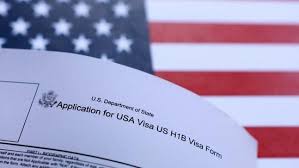
The recent decision by the Trump administration to raise the H-1B visa application fee to $100,000 has triggered a significant legal backlash. A coalition of 20 states, including major players like California and New York, has announced plans to challenge this hike in court. The H-1B visa program is crucial as it allows American employers to hire foreign workers for specialty occupations, which include critical roles in healthcare, education, and research.
California's attorney general, Rob Bonta, has voiced strong concerns regarding the impact of this fee increase. In a statement on social media, he highlighted that such a steep fee could lead to staffing shortages among essential workers like teachers, healthcare professionals, and researchers. This, in turn, could jeopardize California's ability to provide critical services to its citizens.
The legal challenge is expected to be filed in a federal court in Massachusetts, marking at least the third attempt to contest this policy change by the Trump administration. Previously, the U.S. Chamber of Commerce and various unions and advocacy groups have also opposed the fee hike. The lawsuit alleges that the fee increase is a violation of the law, as it imposes costs that exceed what Congress had authorized when establishing the H-1B program.
Typically, employers have paid between $960 to $7,595 in fees for H-1B visa applications, so this new fee is seen as exorbitant. Bonta emphasized during a press conference that no president should be able to destabilize vital sectors like education and healthcare through arbitrary decisions that disregard legal frameworks.
The states involved in the lawsuit are united in their belief that the fee hike was implemented without proper regulatory procedures, specifically the notice-and-comment process mandated by the Administrative Procedure Act (APA). This process is essential for considering the full range of impacts on critical services provided by government and nonprofit organizations.
As the lawsuit unfolds, it will be interesting to see how this legal battle impacts the H-1B visa program and the businesses that rely on it. The outcome could set a significant precedent for immigration policy and employment practices in the United States, particularly as many sectors are still recovering from the effects of the pandemic.