Stay Safe from Dengue: Action Beyond Awareness
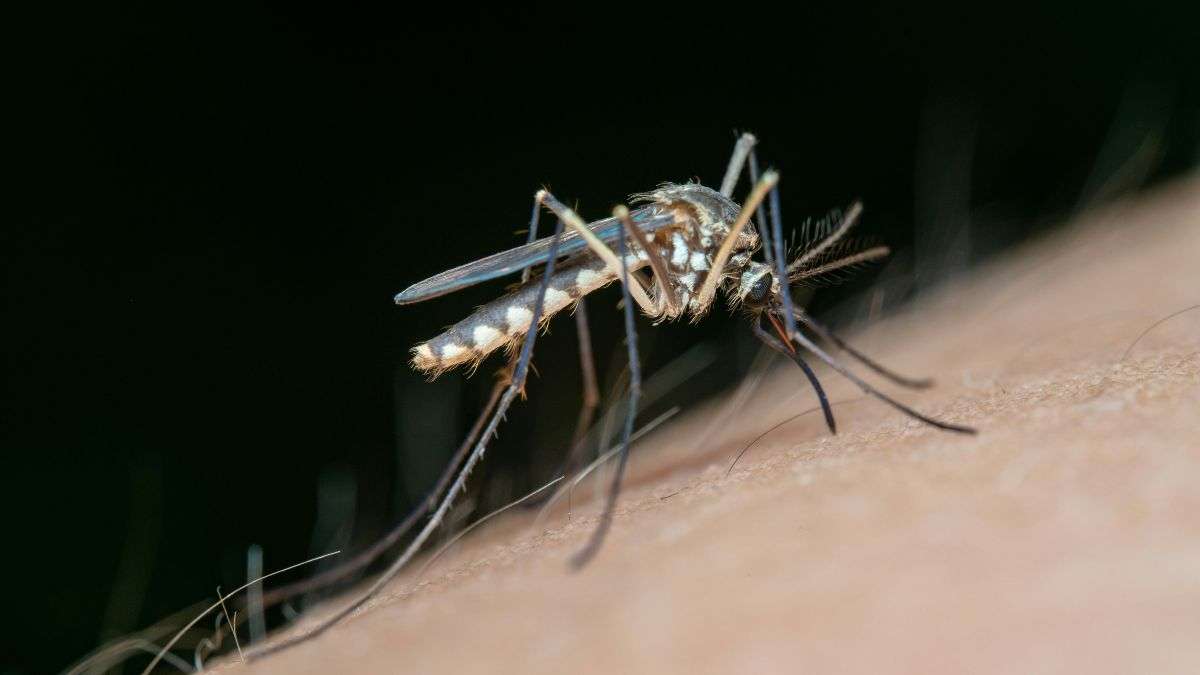
Dengue fever is an annual challenge in the Delhi-NCR region, particularly from August to October. The combination of blocked drains, standing water, high humidity, and high temperatures creates a perfect breeding ground for Aedes mosquitoes. While awareness campaigns have increased, there remains a significant gap between knowledge and action.
Dr. Arun Wadhwa, a prominent Paediatrician and Consultant Physician, highlights the current dengue situation in India. He points out that although the public is more aware of how stagnant water leads to dengue, timely governance and consistent infrastructure support are still lacking. In 2024 alone, India has recorded over 230,000 dengue cases and 236 deaths, emphasizing that awareness without action is not enough to save lives.
Various stakeholders, including the government, schools, and parents, have been mobilized to raise awareness about dengue. Children are taught to avoid discarded containers and flowerpots, while families are encouraged to use disinfectants, repellents, nets, and protective clothing. For instance, schools should enforce full pants during mosquito season to provide additional protection.
Despite hopes pinned on a dengue vaccine, which many parents are inquiring about, prevention remains crucial until it becomes available in India. At present, most interventions are reactive, with fumigation typically beginning only after dengue cases surge, usually in late September or October. This delay can worsen the situation, as water pooling from leaking pipelines or clogged drains often goes unnoticed for weeks.
Dr. Wadhwa suggests a complete overhaul of action protocols. He advocates for early fumigation starting in June or July, before mosquito populations reach critical levels. Additionally, drainage and sanitation systems should be thoroughly checked and cleared ahead of the monsoon. Cross-departmental coordination is essential to avoid delays.
Furthermore, Dr. Wadhwa emphasizes the role of Resident Welfare Associations (RWAs), schools, and communities in enforcing strict compliance with preventive measures. Public spaces should be held to the same standards as private homes to ensure comprehensive safety. Dengue is not merely a health issue but a civic responsibility. A proactive, preventive approach rooted in early action, cross-department planning, and community participation is vital to breaking the cycle of annual outbreaks.
In conclusion, while awareness of dengue is growing, it must be accompanied by decisive actions to safeguard public health. Everyone, from families to local authorities, has a role to play in combating this persistent threat effectively.