Understanding AQI 400: Lung Health Risks
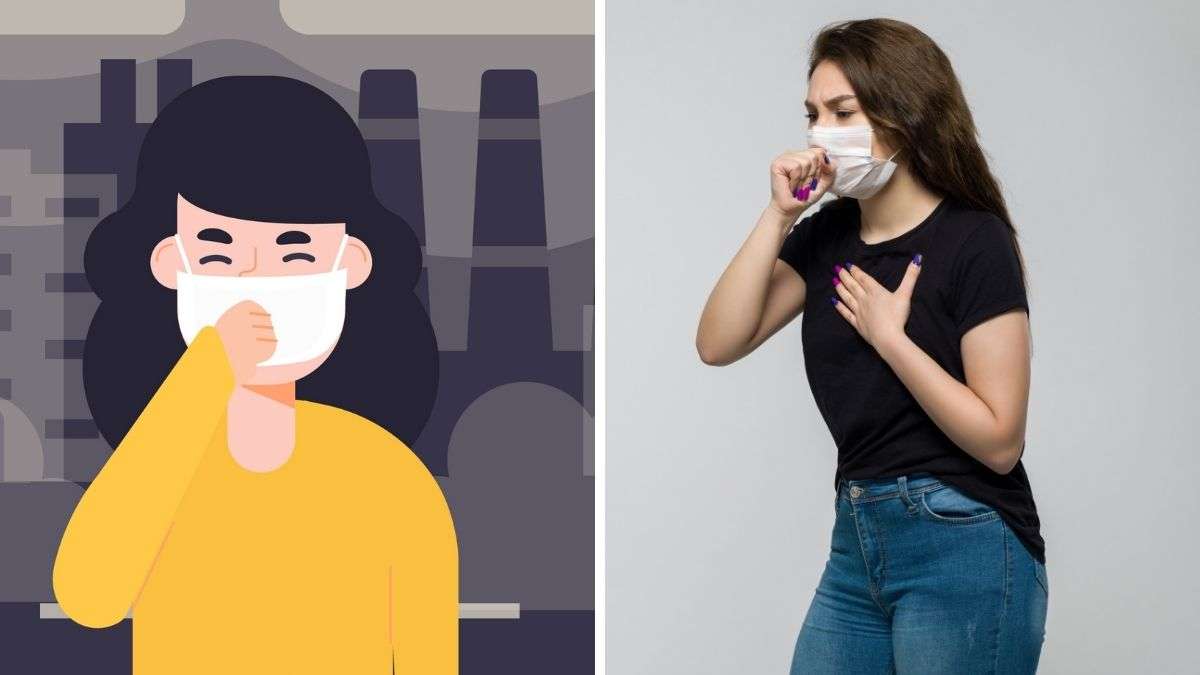
As air pollution escalates in major Indian cities, especially during winter, the Air Quality Index (AQI) often surpasses 400, marking a severe health hazard. Such high pollution levels affect even those with healthy lungs, manifesting symptoms like burning eyes, heavy chest, and fatigue. However, the true damage occurs inside the lungs, where microscopic particles settle and wreak havoc.
According to pulmonologists, these tiny particulate matters, like PM2.5 and PM10, easily bypass the body's natural defenses, penetrating deep into the lungs. Dr. Nana Kunjir, a consultant pulmonologist from Pune, explains that these particles can enter the bloodstream, leading to inflammation and a deterioration in lung function. Over time, this exposure can cause structural damage, reducing the lungs' ability to exchange oxygen, which sets the foundation for chronic respiratory diseases.
The lungs have a defense mechanism comprising tiny hair-like structures called cilia that help expel mucus, bacteria, and pollutants. However, exposure to high pollution levels damages these cilia, making it easier for infections to take hold. As Dr. Kunjir notes, "The tiny hair-like structures in the lungs known as cilia get broken, leading to less resistance to infections." This is why many people feel unwell during the smog season.
A recent review published in Lancet Respiratory Medicine highlights that long-term exposure to PM2.5 can increase lower respiratory infections, including pneumonia, by up to 44%. This stark statistic emphasizes how exposure to polluted air is not merely an irritation; it can transform the respiratory lining, leading to chronic conditions.
People with pre-existing conditions like asthma and COPD experience severe declines in their health during smog periods. Even healthy individuals can develop acute bronchitis if they are exposed for extended periods. Dr. Kunjir elaborates on how continuous inhalation of polluted air irritates the respiratory tract, increasing the chances of infections like pneumonia, making recovery more complicated.
The impact of air pollution is systemic, affecting the body’s overall immune response. Studies show that high PM2.5 exposure can reduce immune cell circulation, making it harder to fight infections. This combination of pollution, viral infections, and weakened immunity creates a perfect storm during winter.
Although N95 masks and air purifiers can help, they are not foolproof. Masks offer limited protection when removed for eating or speaking, while air purifiers face challenges like cost and incomplete filtration. When the AQI crosses 400, every breath can feel like an injury, as microscopic particles infiltrate the lungs, triggering inflammation and increasing vulnerability to severe infections.
While the smog may eventually clear, the damage inflicted may linger. Experts advise a proactive approach: track air quality, adjust outdoor activities accordingly, bolster immunity, and seek medical attention if necessary. Understanding and mitigating the effects of high pollution is essential for safeguarding our health in this increasingly hazardous environment.