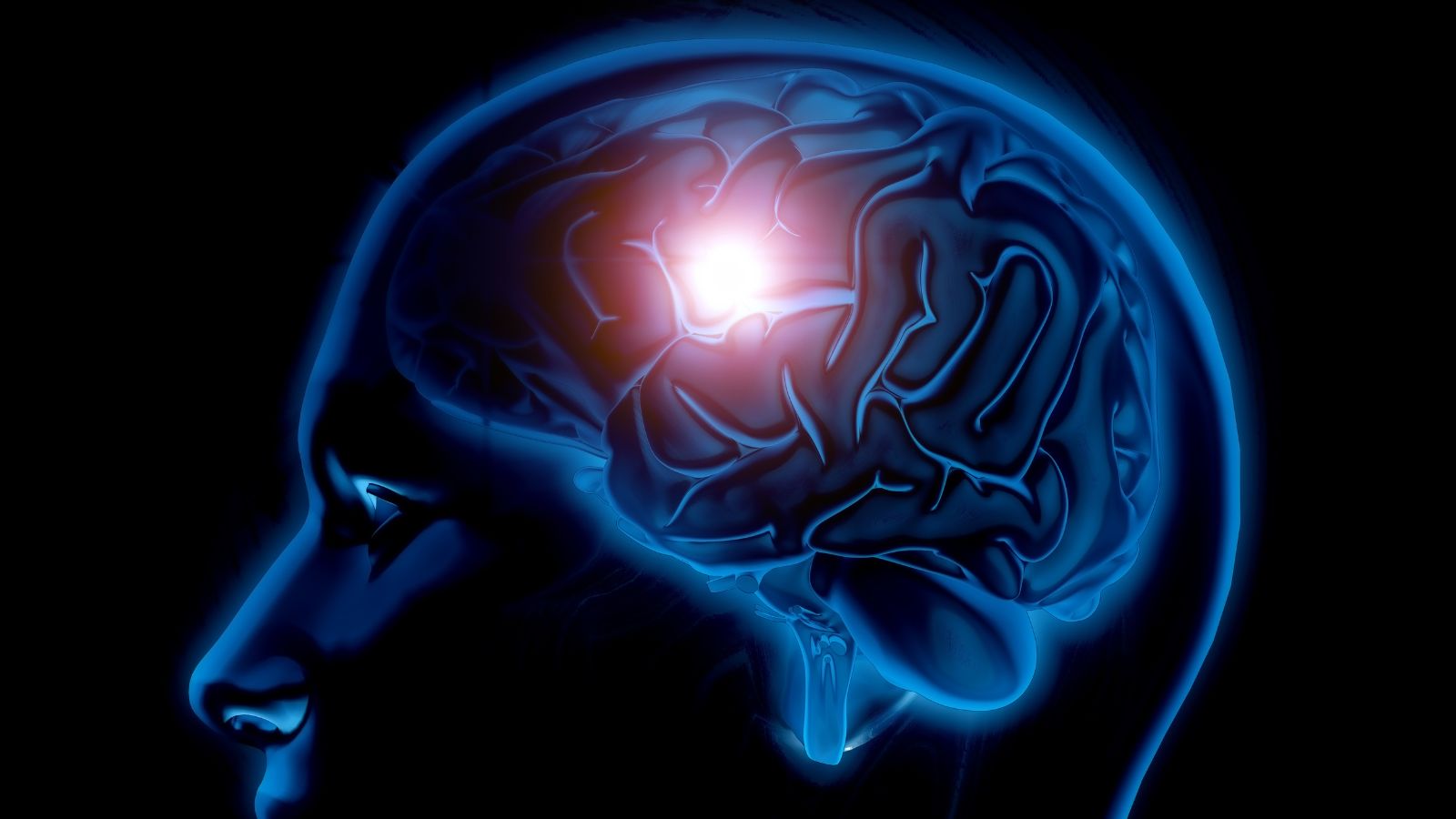
Understanding Mental Fatigue: The Science Behind Tired Brains
Mental fatigue is an experience that many people encounter, yet it remains poorly understood. Recent research sheds light on the biological basis of cognitive tiredness, revealing its impact on daily functioning and mental health. Cognitive fatigue occurs when we engage in sustained periods of concentration, which can lead to diminished focus and poor decision-making.
Researchers, including Mathias Pessiglione from the Paris Brain Institute, have begun to explore the metabolic factors that contribute to this form of tiredness. They are employing advanced techniques to study how the brain's energy management affects cognitive performance. This is particularly relevant in the context of conditions like long COVID, where cognitive fatigue is a prevalent symptom.
Cognitive fatigue is not just a feeling of tiredness; it is a complex phenomenon that affects how we think and act. It can lead to increased errors, especially in high-stakes situations like healthcare or driving. The brain’s ability to manage mental effort is crucial for maintaining focus and motivation, but over time, this effort can become metabolically expensive, leading to exhaustion.
Several biological markers are under investigation, including changes in metabolites like glucose and lactate, which may influence cognitive performance. Additionally, neuromodulators such as adenosine and proteins like brain-derived neurotrophic factor (BDNF) are being studied for their roles in cognitive fatigue. These findings suggest that both physical and cognitive fatigue might share similar underlying mechanisms.
Understanding cognitive fatigue is essential, especially as it can exacerbate other health conditions. For example, individuals with chronic fatigue syndrome, multiple sclerosis, or depression may find even simple tasks overwhelming. Therefore, the implications of this research extend beyond academic interest; they have real-world applications in managing mental health.
As scientists continue to explore the relationship between mental effort and fatigue, they aim to develop more objective measures to assess cognitive tiredness. By combining behavioral patterns with biological indicators, researchers hope to better understand how mental fatigue affects motivation and decision-making in everyday life.
Ultimately, recognizing the biological roots of mental fatigue may help individuals manage their cognitive load more effectively, leading to improved mental health and overall well-being.