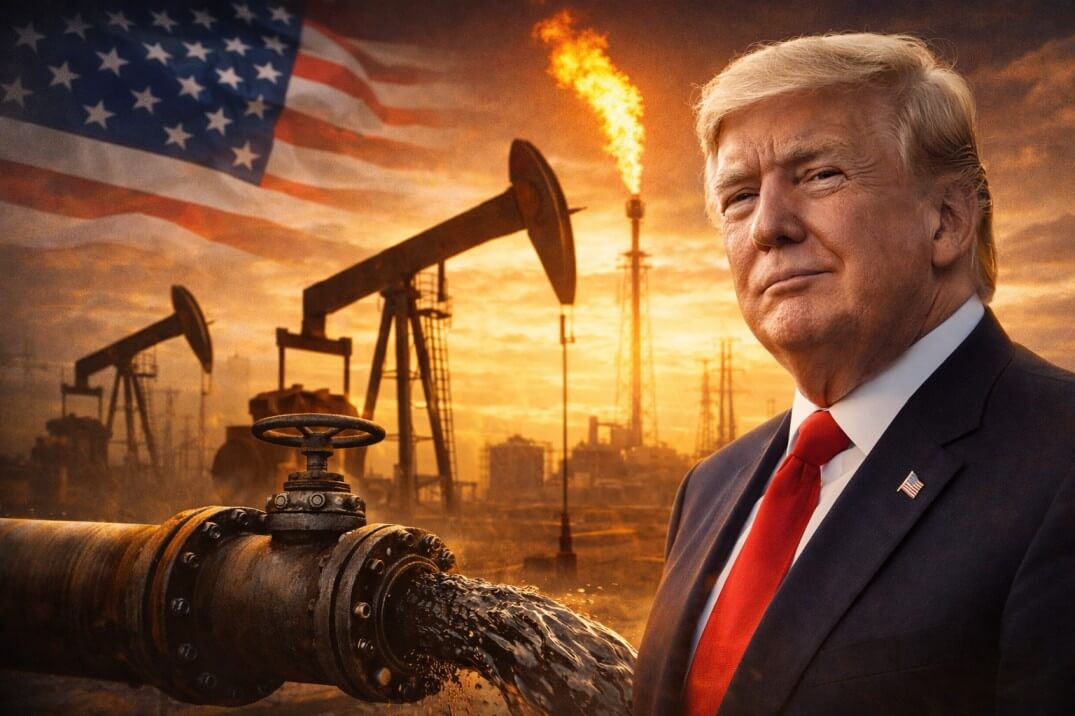
US Oil Production Resilience: A Boon for Trump
The resilience of the U.S. oil industry amidst declining prices and layoffs has raised eyebrows globally. Despite predictions of a downturn, technological advancements and the consolidation of major oil companies have resulted in stable production levels. President Trump, who has touted the benefits of low gas prices, has found an ally in the booming oil production. However, experts caution this growth may be short-lived.
In recent months, U.S. oil prices dipped below $60 a barrel, prompting the industry to reduce the number of active rigs and lay off many workers. Yet, the country’s wells managed to produce a record average of 13.6 million barrels per day last year, which was beyond expectations. Industry leaders attribute this success to improved engineering practices and an evolved industry structure, where major players are now more resilient to price fluctuations.
While Trump celebrates the rising production and lower prices at the pump, analysts predict a plateau in output as companies preserve high-quality drilling sites for future use. The Permian Basin, crucial for U.S. oil production, has shown surprising resilience, logging record production rates even as other regions struggle with falling prices.
However, many believe that the current growth spurt cannot last indefinitely. As the industry matures, producers may face challenges in maintaining output levels. The increasing difficulties in extracting oil from aging fields could lead to a decline in production by 2027. Experts warn that the exit of smaller producers from the market will create supply gaps, potentially driving prices up in the coming years.
Chevron and other major companies are now focusing on advanced drilling techniques and technologies to maximize output from existing wells. For instance, Chevron has reduced its drilling rigs while increasing production significantly, showcasing efficiency improvements in the field. This shift indicates a more industrialized approach to oil extraction in regions like the Permian Basin.
In conclusion, while the U.S. oil industry has demonstrated remarkable resilience, the future remains uncertain. The combination of mature oil fields, potential technological breakthroughs, and the exit of smaller players from the market could lead to a significant shift in production dynamics. Observers will be closely watching how these factors play out in the years to come.