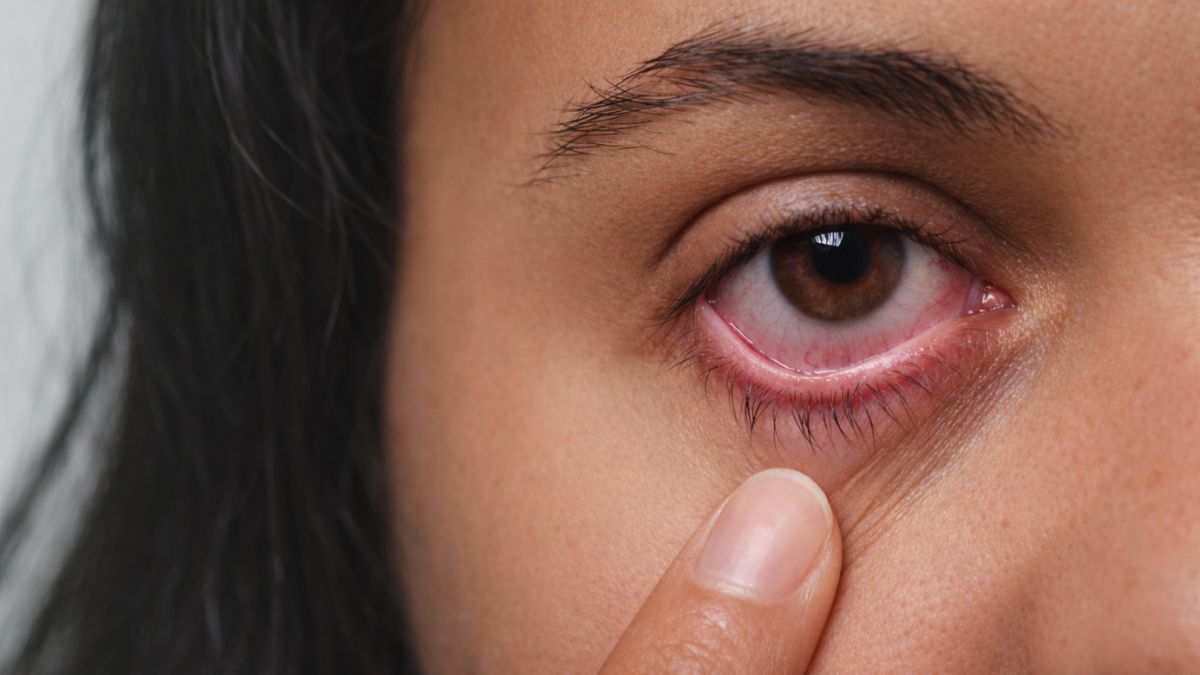
Young People and Glaucoma: What You Need to Know
Glaucoma is commonly perceived as an age-related eye disease, but this belief can be misleading. In India, where awareness about eye health is still developing, many young people remain unaware that they too can be affected by glaucoma. This eye disorder can manifest at any age, including infancy, childhood, and early adulthood, often without any noticeable symptoms until significant damage has occurred.
Dr. Pradeep Balam, a consultant at Sankara Eye Hospital in Hyderabad, explains that glaucoma isn't a single disease but a group of disorders that harm the optic nerve. While age is a risk factor, it does not guarantee immunity. In children, glaucoma is usually congenital or developmental, linked to abnormal eye drainage systems that increase intraocular pressure from a very young age. Signs such as enlarged eyes, excessive tearing, or sensitivity to light can indicate childhood glaucoma.
Teenagers and young adults may experience secondary or inherited glaucoma, where genetic factors play a significant role. Additionally, conditions like high eye pressure, severe short-sightedness, and prolonged steroid use can heighten the risk. Unfortunately, early-stage glaucoma is often asymptomatic, leading to delayed diagnosis. The loss of peripheral vision can occur slowly without any pain, causing individuals to remain unaware of their condition until it's too late.
This misconception that glaucoma only affects older people can deter younger individuals from seeking necessary eye examinations, especially when risk factors are present. Dr. Balam emphasizes that early detection is crucial as it can help slow or halt the progression of the disease. Regular eye check-ups should not be determined by age; anyone with a family history of glaucoma, significant refractive errors, or long-term steroid use should prioritize eye health.
Routine eye examinations, which include measuring eye pressure and evaluating the optic nerve, are essential for at-risk individuals. In India, where lifestyle changes and increasing screen time can impact eye health, being proactive about eye care is vital. Glaucoma may not be common in young people, but if it occurs, the consequences can be severe.
In conclusion, raising awareness and encouraging timely screenings can make a significant difference in preserving vision among younger populations. Dr. Balam aptly states, "Glaucoma is a silent disease." Early detection can mean the difference between maintaining sight and facing irreversible vision loss.