Blue Origin Halts Space Tourism for Lunar Focus
Jeff Bezos' rocket company, Blue Origin, has made a significant decision to pause its New Shepard space tourism flights for at least the next two years. This move aims to redirect their efforts towards developing technologies for NASA's upcoming missions to the Moon, particularly under the Artemis program. New Shepard, known for carrying celebrities like William Shatner and Michael Strahan to the edge of space, has completed 38 flights, offering a brief taste of space travel to its passengers.
The New Shepard rocket is designed for suborbital flights, reaching altitudes of around 62 miles before descending back to Earth. It has successfully transported 98 passengers, allowing them to experience a few minutes of weightlessness. However, the revenue generated from these flights is minimal compared to the multi-billion dollar contracts Blue Origin has with NASA for lunar landers. The Artemis program aims to return astronauts to the Moon, and Blue Origin’s role in this is becoming increasingly crucial.
Despite a backlog of eager customers, Blue Origin's management is prioritizing its lunar missions. The company has a contract with NASA to provide landers for the Artemis missions, originally slated for the Artemis V mission, expected to launch in the 2030s. However, with delays in SpaceX's development of its Starship spacecraft, there is pressure on both companies to accelerate their progress. NASA Administrator Jared Isaacman emphasized the need for collaboration and speed in developing these essential technologies.
The decision to pause New Shepard flights reflects a strategic shift for Blue Origin. While the company initially aimed to create a market for suborbital tourism, the focus is now on playing a vital role in the future of lunar exploration. This pivot not only highlights their commitment to innovation but also positions them as a key player in the evolving landscape of space travel.
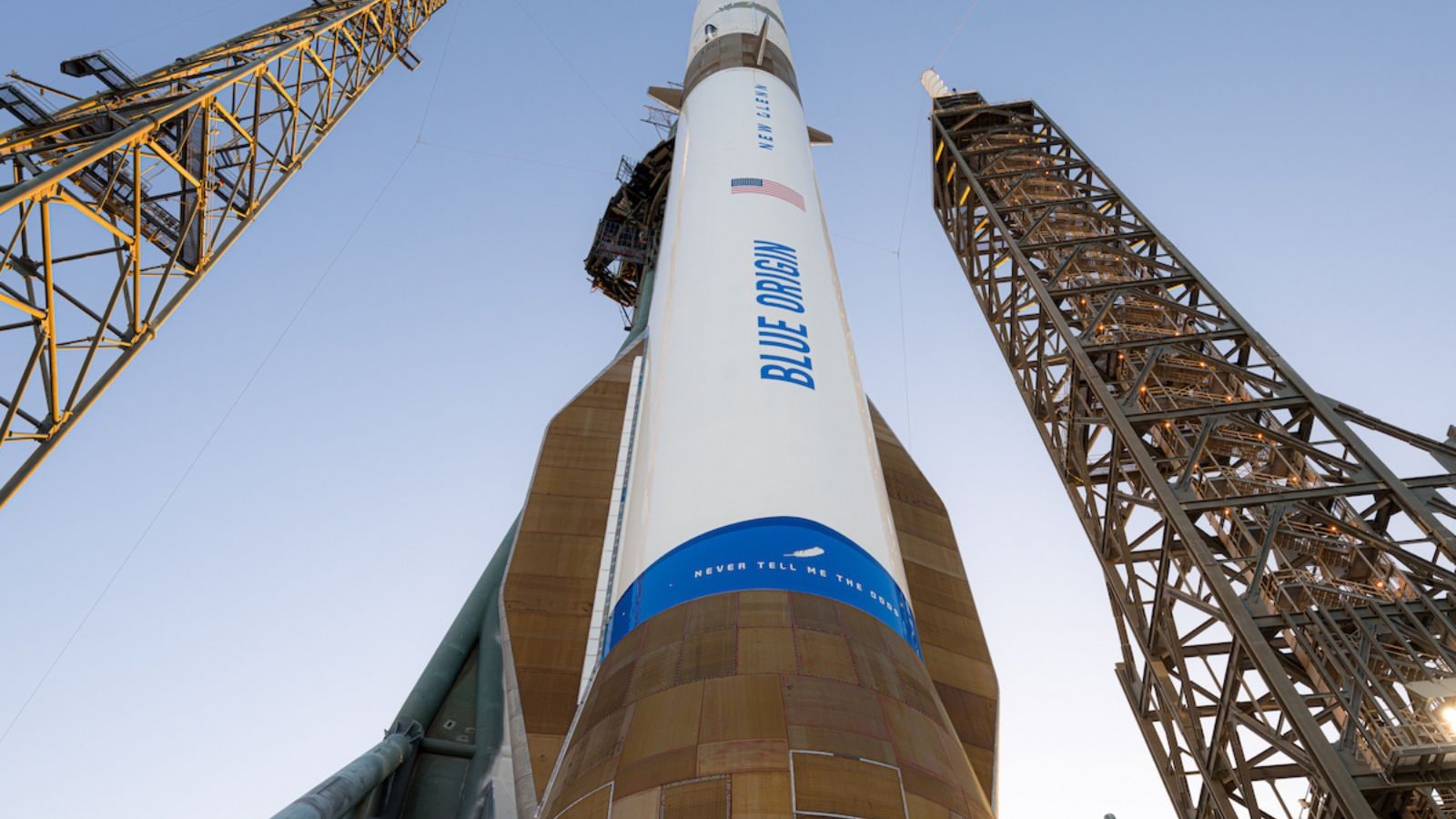
As Blue Origin shifts its focus, it faces competition from other players in the space industry, such as Virgin Galactic, which has also paused its operations to develop new vehicles. Both companies have faced challenges in ramping up their flight schedules, leaving many potential space tourists waiting. However, the experience gained from New Shepard will contribute to Blue Origin's future projects, including the development of the New Glenn rocket.
In conclusion, Blue Origin's decision to pause space tourism is a bold step towards contributing to significant space endeavors. By focusing on NASA's lunar missions, the company not only aligns itself with governmental objectives but also prepares for a future where commercial space travel and exploration can thrive.