
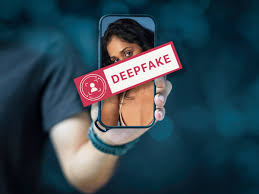
Deepfakes Threaten Women's Privacy in India
Deepfakes are becoming a serious issue in India, particularly impacting women's dignity and privacy. Prominent actresses are being targeted with AI-generated videos that circulate widely on social media platforms like Instagram and X. These videos often blend seamlessly with genuine content, making it difficult for viewers to identify them as fake.
The rise of deepfakes raises ethical concerns about consent and privacy. Recent reports indicate that many deepfake videos of Indian celebrities are shared without any disclaimers, highlighting the urgent need for regulatory measures. In response to this alarming trend, the Indian government has proposed new rules mandating the labeling of AI-generated content on social media platforms.
On October 22, the Central government outlined its plans to ensure that users declare whether the material they upload is “synthetically generated information.” This move comes after several high-profile celebrities, including Hrithik Roshan and Aishwarya Rai, sought legal protection against the unauthorized use of their likenesses in deepfake media.
Research indicates that a staggering 84% of social media influencers are victims of deepfake pornography, with the vast majority being women. This statistic underscores the gendered nature of this technology's misuse. The situation worsened in 2023 when a deepfake video of actress Rashmika Mandanna went viral, prompting Prime Minister Narendra Modi to label deepfakes a new “crisis” for the country.
The Ministry of Information Technology has acknowledged the potential dangers of deepfake content, stating that such media can be weaponized to spread misinformation or damage reputations. The ministry's explanatory note warned of the ability of generative AI to create convincingly false narratives, emphasizing the need for immediate action.
Despite the presence of policies from companies like Meta and X that aim to regulate deepfake content, enforcement remains a significant challenge. Many videos continue to circulate without proper labels, raising concerns about the platforms' accountability. Experts argue that while labeling AI-generated content is essential, it is not enough on its own. Effective takedown mechanisms and proactive identification of harmful content are equally crucial.
Ultimately, as deepfakes become more prevalent, it is essential for users to be vigilant and critical of the content they encounter online. The Indian government’s efforts to legislate against such practices mark a significant step towards protecting individuals' rights, especially those of women who are disproportionately affected by this alarming trend.







