High Heels and Spine Health: What You Need to Know
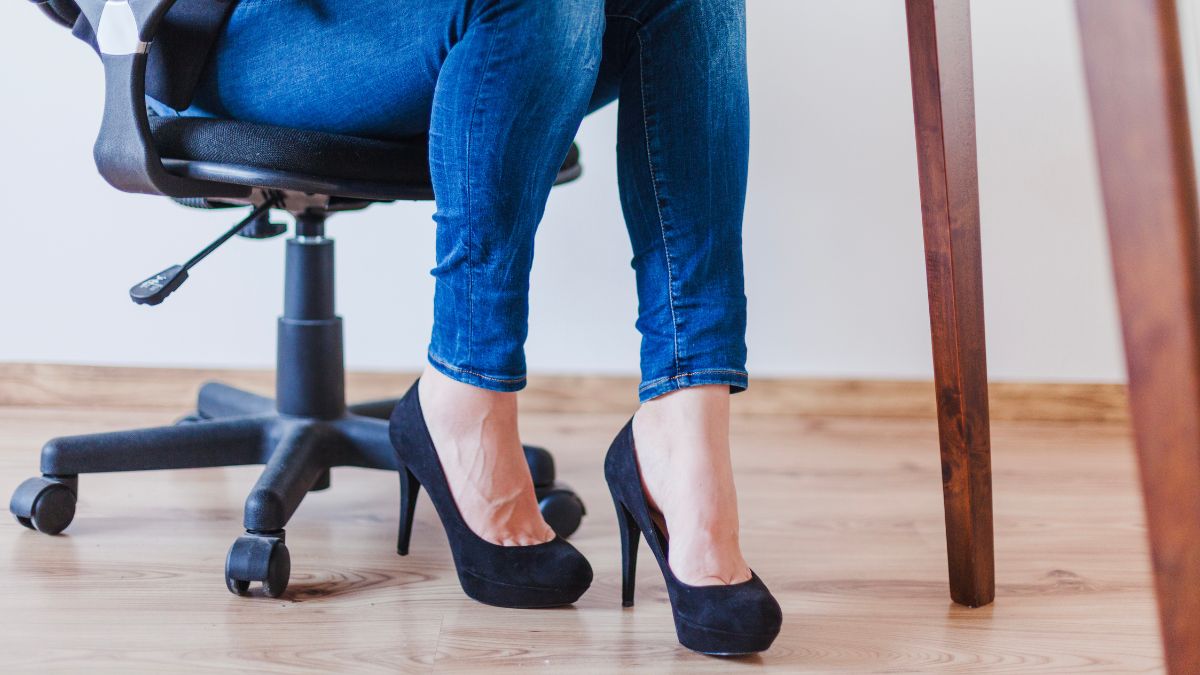
High heels may add flair to an outfit, but their impact on spinal health is often overlooked, particularly in the Indian context. With more women in urban areas wearing heels while balancing long hours at their desks, the risks to their spine, knees, and hips are becoming apparent. Recent research shows that the combination of high heels and a sedentary lifestyle can lead to significant strain on the body.
According to Dr. Simon Thomas from Max Hospital, the real issue lies not solely in the heels themselves but in how they alter posture. He explains that prolonged sitting and weak supporting muscles contribute to chronic stress on the musculoskeletal system. For many women, this stress accumulates over time, leading to back stiffness and knee pain that they often dismiss as normal.
In India, studies indicate a concerning trend among young women who frequently wear high heels. The strain on the lower back increases, while calf muscles tighten, and excess pressure is placed on the knees and forefoot. The result is discomfort that many view as just part of their routine. This is compounded by long hours of sitting, which weaken vital muscles needed for stabilizing the pelvis and spine.
Workplace studies in India highlight a growing number of cases of neck and back pain, particularly among professionals who work at computers. When the body's core muscles are weak and posture is altered by high heels, the spine bears forces it wasn't designed to handle daily.
Moreover, India is facing an early-onset bone health crisis, with fractures occurring nearly a decade earlier than in Western countries. Factors such as vitamin D deficiency and low calcium intake are significant contributors to this issue.
Dr. Simon emphasizes that the goal isn't to abandon high heels entirely, but to use them wisely. Simple, consistent changes can significantly reduce joint stress and long-term damage. The good news is that this situation is reversible. By making thoughtful footwear choices, incorporating regular movement, and engaging in basic strength training, women can protect their spine and enhance their bone health for years to come.
Remember, these tips are for general information and should not replace professional medical advice. Always consult with a healthcare provider before making significant lifestyle changes.