Ikkis: A Bold Anti-War Statement in Hindi Cinema
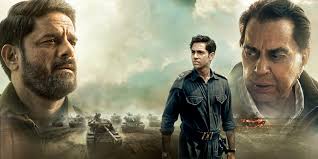
Sriram Raghavan’s film *Ikkis* emerges as a significant commentary on the glorification of war that has long dominated Hindi cinema. Instead of focusing on heroism, the film delves into the heart-wrenching realities faced by soldiers in conflict. With a narrative that intertwines the past and present, *Ikkis* challenges the audience to reconsider the cost of war.
The story centers around Brigadier Madan Lal Khetarpal, portrayed by Dharmendra, who returns to Lahore for college celebrations. His journey back to a land once known as home, now part of Pakistan, is laden with memories of Partition. This personal connection adds depth to the character, as he reflects on the pain of lost childhood and first loves due to the division of 1947.
Alongside Madan Lal’s journey is that of his grandson, Second Lieutenant Arun Khetarpal, played by Agastya Nanda. During the 1971 Indo-Pak war, Arun experiences the battlefield's stark realities. His realization that the land he fights on resembles his own homeland is a poignant moment, echoing the sentiments of unity amidst division. Raghavan juxtaposes these two timelines, offering viewers a dual narrative that questions the futility of war.
Raghavan’s approach is not to glorify war but to portray the emotional toll it takes on individuals. Unlike typical war dramas filled with jingoism, *Ikkis* focuses on the human experience, emphasizing survival over valor. The film captures moments of silence and reflection, showcasing how lives are forever altered by conflict.
Two key scenes encapsulate this theme of healing through compassion. When a former Pakistani soldier confronts Madan Lal with anger, the Brigadier’s response is not retaliation but an embrace—a gesture that speaks volumes about reconciliation. This moment highlights the possibility of healing old wounds through understanding rather than violence.
Ultimately, *Ikkis* prompts the audience to reflect on the nature of heroism and the societal indifference towards the aftermath of war. It poses critical questions about the normalization of violence and challenges viewers to seek peace and humanity in a world often consumed by hatred. Through powerful storytelling and nuanced performances, Raghavan crafts a film that resonates deeply, reminding us of the importance of empathy in the face of conflict.