
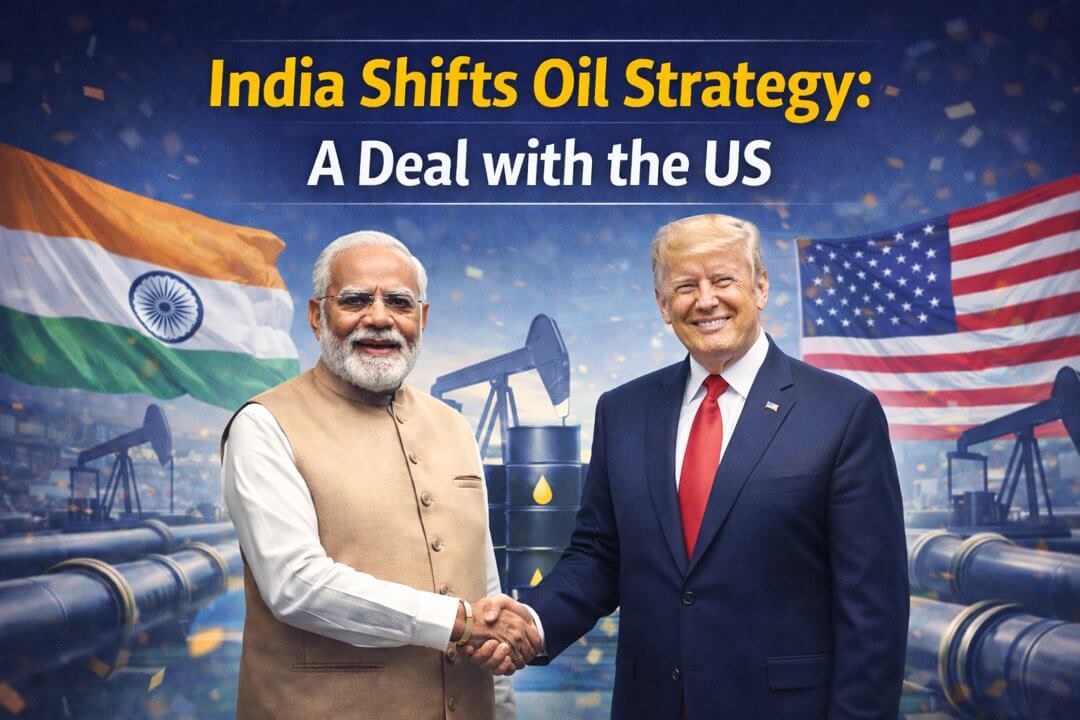
India Shifts Oil Strategy: A Deal with the US
Oil has emerged as a key component in the negotiations between India and the United States, marking a significant shift in India's energy strategy. Following a conversation between President Donald Trump and Prime Minister Narendra Modi, a trade deal was announced, highlighting that India would cease its imports of Russian crude oil. Instead, Modi has agreed to increase oil purchases from the US and even Venezuela. This strategic move aims to reduce India's reliance on Russian oil, which has been a contentious issue in US-India relations.
The Trump administration had previously expressed concerns about India's high levels of Russian oil imports, viewing them as a means of financing Russia's war efforts in Ukraine. By pivoting towards US oil and potentially Venezuelan crude, India not only aligns itself more closely with Washington but also enhances its energy security. The deal is expected to involve over $500 billion worth of American energy, technology, and agricultural products, making it a substantial economic partnership.
Currently, the US is one of India's top oil suppliers, and increasing imports from the US will depend on competitive pricing. The cost of shipping oil from the US remains a challenge due to higher freight rates compared to sourcing from West Asia. Additionally, Indian refineries are accustomed to specific crude grades from traditional suppliers. However, the adaptability of Indian refineries allows them to process a variety of crude types, which may facilitate this transition.
On the other hand, the possibility of importing Venezuelan oil presents a unique opportunity for Indian refiners, particularly as the US has recently eased sanctions on Venezuela's oil sector. Reliance Industries, a major player in India's refining sector, had previously sourced Venezuelan crude before sanctions were imposed in 2019. With the sanctions easing, there are discussions around restarting oil imports from Venezuela, which could diversify India's oil sources and reduce its political vulnerability.
Experts suggest that increasing Venezuelan oil imports would provide India with a politically acceptable option amid pressure from the US regarding Russian imports. This diversification strategy could also enhance India's negotiating power with traditional West Asian suppliers, positioning India more favorably in the global oil market. As the geopolitical landscape evolves, India's oil import strategy will be crucial in navigating its energy needs and international relations.







