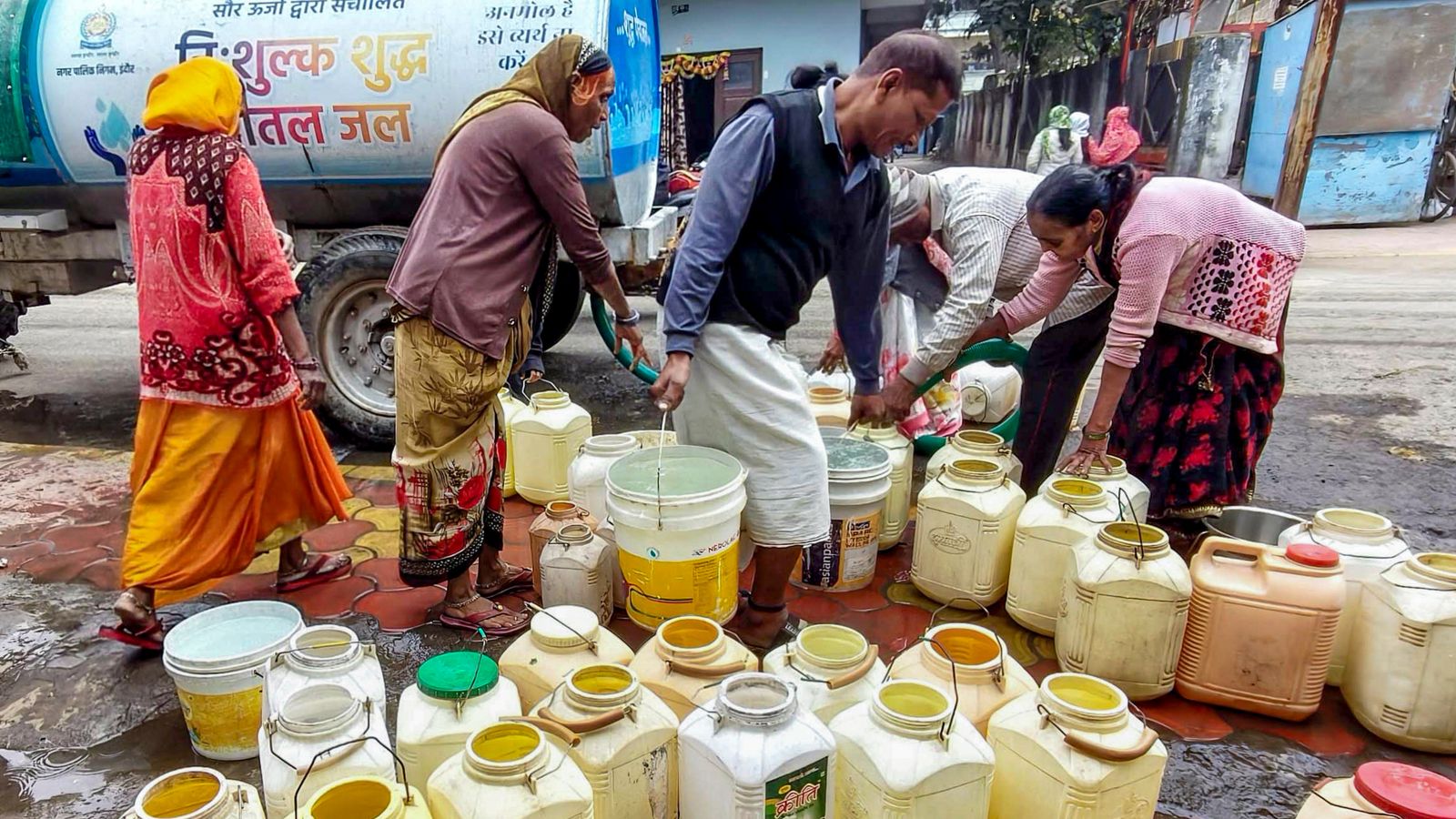
Indore Water Crisis: A Shocking Turn of Events
Indore, once celebrated as India’s cleanest city, now faces a dire situation as contaminated water has led to at least eight deaths. For seven years, Indore topped cleanliness rankings, being recognized for its effective wastewater management. However, with recent allegations of water contamination, the city’s reputation is in jeopardy.
The contamination reportedly stemmed from a public toilet built over an aging pipeline in Bhagirathpura. Health officials confirmed that over 310 individuals have been hospitalized, with many suffering from waterborne diseases. The situation prompted urgent action from local authorities, who are now investigating the source of the contamination and assessing the aging infrastructure.
Despite the demolition of the problematic toilet, concerns remain about the city’s plumbing system. The investigation revealed that many of Indore’s pipelines were laid years ago and are incapable of meeting the demands of the city’s growing population. Experts highlighted that while newer areas have modern pipes, older neighborhoods are still relying on outdated and potentially hazardous materials.
Residents of Bhagirathpura have long complained about the quality of water, with reports of foul-smelling supply being ignored. Evidence suggests that local officials were aware of the issues but failed to act promptly. Reports indicate that complaints about the water quality have been documented for years, yet infrastructure improvements have lagged.
The recent deaths have led to public outcry and accountability measures against municipal officials. Several personnel have been suspended or dismissed for their negligence in addressing the water crisis. The Madhya Pradesh government is now under pressure to restore trust in the municipal water supply.
As Indore grapples with this crisis, it raises essential questions about urban management in India. With a projected population increase to over 5 million by 2040, the city must urgently address its water infrastructure challenges. Failure to act could lead to further public health disasters, undermining the hard-won reputation of this once-celebrated city.
Moving forward, city planners and engineers must prioritize the replacement of outdated pipelines and ensure that the water supply system is resilient and safe for its residents. The lessons learned from this tragedy could serve as a wake-up call for other municipalities across India facing similar challenges.