LPG Crisis in India: Rising Prices and Shortages
The ongoing conflict in West Asia, particularly around the Strait of Hormuz, has triggered a surge in oil prices and significant disruptions in India's liquefied petroleum gas (LPG) supply. With around 60% of India's LPG needs relying on imports that pass through this critical waterway, the rising tensions have raised alarm bells across the nation.
According to reports, Brent crude prices have exceeded $100 a barrel, prompting the Indian government to take immediate action to mitigate potential supply crises. Sujata Sharma, the Joint Secretary in the Ministry of Petroleum and Natural Gas, has urged the public to remain calm while announcing measures to maximize LPG production at refineries.
Restaurants in metropolitan cities like Mumbai, Bengaluru, and Gurugram have started to adapt by implementing "crisis" menus with quicker-to-cook dishes, while some have resorted to coal-based cooking to avoid shutdowns. The situation in South Delhi has reached a critical point, with some restaurant owners like Gagandeep Singh Sapra forced to shut down due to a lack of LPG, alleging that black market traders are demanding exorbitant prices for cylinders.
The LPG shortage is not only affecting restaurants but is also causing distress among residents, with long queues forming outside gas agencies in cities like Bhopal. The government has assured that it is working to stabilize the situation, with Union Minister of State for Petroleum and Natural Gas, Suresh Gopi, confirming ongoing efforts to secure additional supplies.
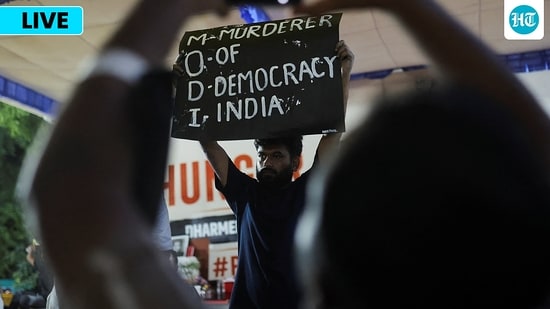
Opposition leaders, including Rahul Gandhi, have criticized the government's handling of the crisis, accusing Prime Minister Narendra Modi of being more focused on other issues than addressing the LPG shortage. Gandhi’s remarks come amid protests by several opposition MPs demanding clarity on the government's plans to tackle this pressing issue.
Despite the government’s assurances, the risk of long-term consequences remains high. Economists warn that if oil prices stay elevated, India's external balance and government finances could take a hit. With the nation heavily reliant on imports, the stakes are higher than ever, and the need for a robust strategy to navigate this crisis is evident.
As the situation unfolds, the impact on daily life, industries, and the economy will become increasingly apparent. The government must act swiftly to reassure the public and stabilize LPG supplies to prevent further panic and disruption.