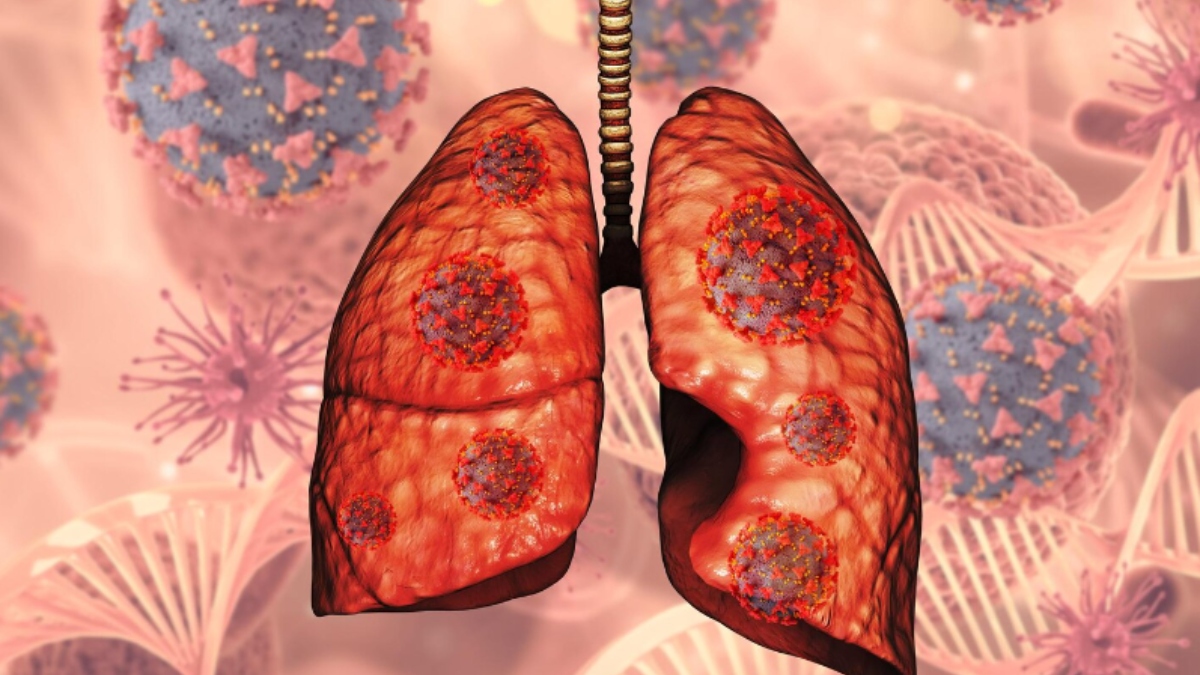
Lung Cancer in Non-Smokers: Recognize Risks Early
Lung cancer is increasingly being recognized as a significant health issue for non-smokers, challenging the long-held belief that only smokers are at risk. Recent statistics reveal a concerning trend: one in five lung cancer cases globally involves non-smokers. This shift highlights the importance of understanding various risk factors affecting lung health, particularly in India, where air pollution levels in urban areas pose severe threats to public health.
Dr. Nandish Kumar Jeevangi, a senior consultant at HCG Cancer Centre in Gulbarga, indicates that non-smokers, especially younger adults and women, are more susceptible due to environmental and lifestyle changes. With urbanization, the air quality in cities has deteriorated significantly, filled with harmful PM2.5 particles from vehicular emissions and industrial activities. These particles can deeply penetrate the lungs, leading to chronic inflammation and potential genetic damage, raising cancer risk to levels comparable to regular cigarette smoking.
Moreover, indoor air quality is often overlooked but can be even more hazardous. Many households, especially those with poor ventilation, face issues with indoor pollutants. Cooking with biomass fuels or using high-flame stoves releases toxic compounds, while radon gas, a naturally occurring radioactive element, can seep into homes. These pollutants contribute to a cumulative exposure that can lead to serious health issues, including lung cancer.
People often mistake common symptoms like persistent cough, chest pain, and unexplained weight loss for minor issues, which can delay diagnosis and treatment. Early detection through regular health check-ups and low-dose CT scans is essential, especially for those with a family history of lung diseases or high environmental exposure.
To combat the rising cases of lung cancer among non-smokers, a multi-faceted approach is necessary. This includes urban planning that prioritizes cleaner air, strict air quality regulations, and enhanced home ventilation. Individual actions, such as avoiding aerosol sprays, ensuring proper airflow during cooking, and introducing houseplants, can significantly improve indoor air quality.
Additionally, adopting a healthier lifestyle—staying active, consuming an antioxidant-rich diet, and avoiding exposure to smoke—can greatly benefit lung health. By raising awareness and encouraging preventive measures, we can safeguard against this silent threat and promote better health for everyone.
Ultimately, being vigilant about air quality, both indoors and outdoors, is crucial. Recognizing that lung cancer can affect non-smokers emphasizes the need for proactive health measures, making it essential for individuals to take steps toward healthier living and increased awareness.