Lung Health in Delhi: The Urgent Need for Tests
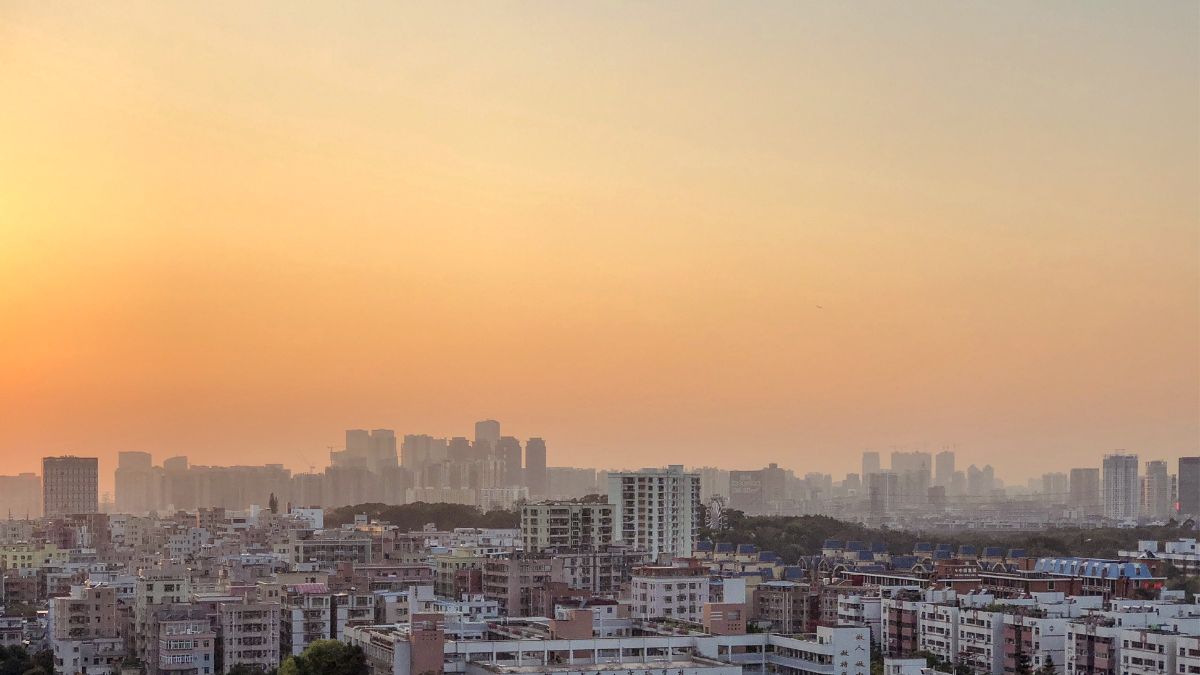
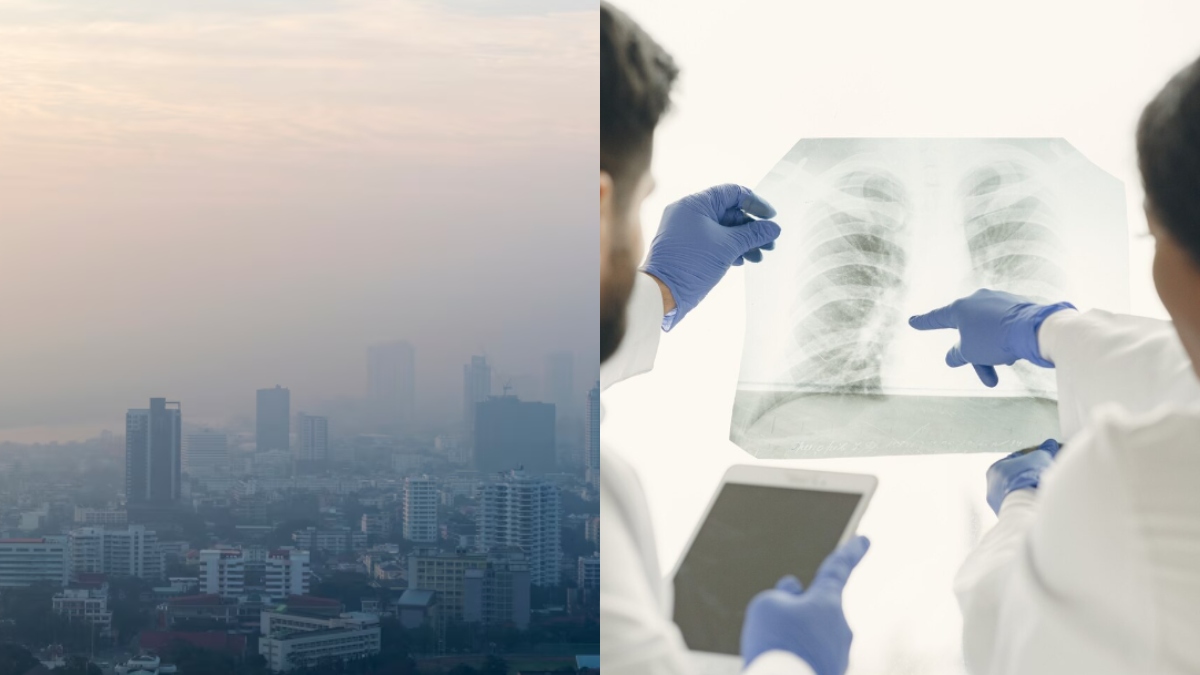
Delhi's air quality is deteriorating, particularly during the winter months, making it increasingly difficult for residents to breathe clean air. The poor air quality, marked by high AQI levels, poses serious health risks that often go unnoticed. Dr. Harsh Vardhan Puri, a chest surgeon at Medanta Hospital, has issued a stark warning about the impact of pollution on lung health.
Dr. Puri states that breathing the air in Delhi is equivalent to smoking 25 cigarettes a day. This alarming comparison emphasizes the invisible damage that pollution inflicts on our lungs. Many people dismiss their respiratory symptoms as seasonal allergies or viral infections, but Dr. Puri urges them not to take any chances. If symptoms like a persistent cough last more than two weeks or if one feels breathless during previously easy activities, it is crucial to consult a chest specialist.
He highlights the importance of lung tests, stating that they are non-invasive and provide a clear picture of lung health. For residents of polluted cities like Delhi, these screenings should no longer be deemed optional. As pollution anxiety grows, many individuals are turning to detox drinks and supplements marketed online. However, Dr. Puri dismisses these claims as false, stating, “There is no detox drink that can cleanse carbon deposits from your lungs.”
The only true detox is clean air. Nevertheless, he advises that a healthy diet can support lung health. Foods rich in Vitamin C, Vitamin E, and Omega-3 fatty acids can help combat inflammation caused by pollution. Dr. Puri emphasizes focusing on nutrition rather than spending money on unproven supplements.
Regarding the government's Graded Response Action Plan (GRAP), Dr. Puri acknowledges its temporary benefits but critiques its long-term effectiveness. He points out that GRAP is reactive, akin to digging a well when the house is already on fire. While restricting construction and vehicle movement during peak pollution can help, it does not address the root causes.
Dr. Puri advocates for a year-round strategy, including large-scale electric public transport and sustainable solutions for farmers dealing with crop residue. He stresses that air quality must be treated as a national asset and not just a seasonal concern.
In conclusion, Dr. Puri offers a balanced message: “Don’t panic, but don’t be complacent.” Awareness is the first step toward change, and everyone should demand clean air as a fundamental right.