Microplastics in Blood: Health Risks Explained
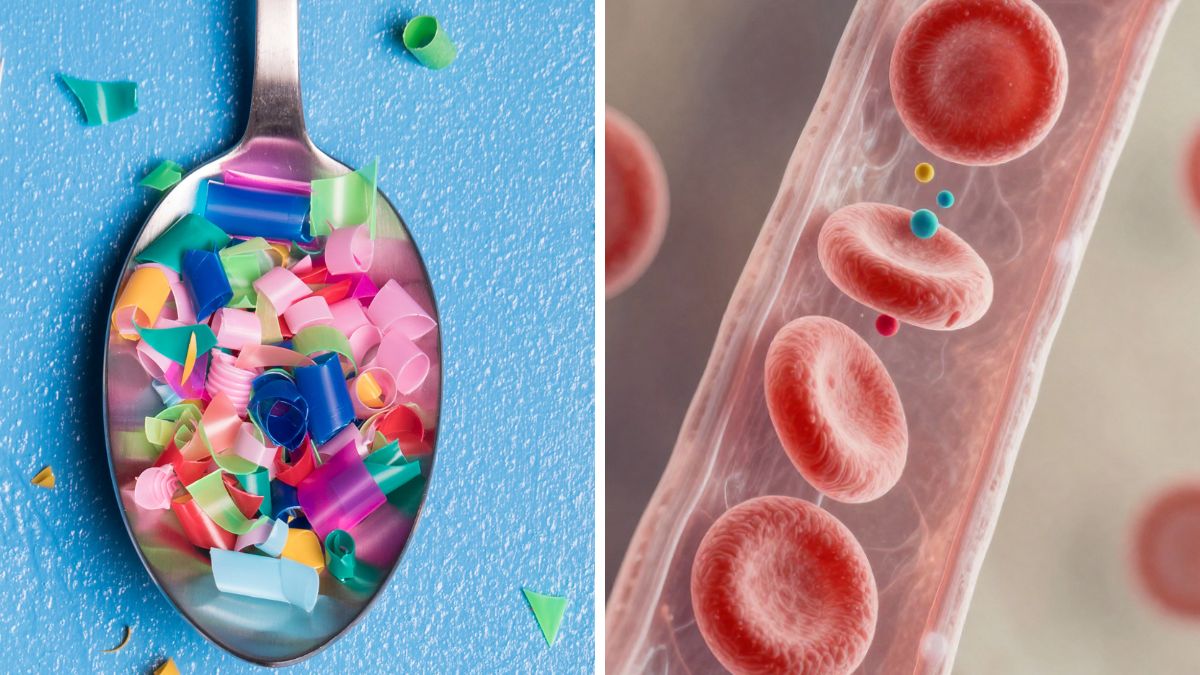
Microplastics, tiny particles from broken-down plastics, have shifted from being an environmental concern to a personal health issue. Recent studies show that these particles are now found in human blood, which raises significant alarms among health experts. According to Dr. Sameer Bhati, a Public Health Analyst, this discovery has led to a critical evaluation of how microplastics can affect our health, particularly our cardiovascular system.
Microplastics are created when larger plastic products decompose. They enter our bodies through various means, including packaged food, bottled water, and even the air we breathe. In India, where plastic use is rampant and waste management is often inadequate, the prevalence of microplastics can be alarming. Research has confirmed their presence in blood samples, and they have even been found in arterial plaques, which are deposits that can lead to serious cardiovascular issues.
Dr. Bhati emphasizes that microplastics are not just passive invaders; they can cross biological barriers and linger in our circulatory system. This intrusion triggers an immune response, often leading to inflammation. Chronic inflammation is a known factor contributing to heart disease and other vascular conditions, making the presence of microplastics a potential health crisis.
While current research does not definitively link microplastics to heart disease, early findings suggest individuals with microplastics in arterial plaques may face a higher risk of cardiovascular events. This is particularly concerning for those with existing risk factors such as hypertension, diabetes, or obesity, as microplastics could exacerbate these conditions.
Medical experts are calling for awareness rather than panic. Dr. Bhati insists that understanding this emerging risk is key to making informed health choices. Environmental factors, including air pollution and lifestyle choices, are already known to impact cardiovascular health, and microplastics may be another piece of this complex puzzle.
To minimize exposure, experts recommend practical steps. Using glass or stainless steel containers, avoiding plastic for reheating food, and choosing unprocessed foods over plastic-packaged items can significantly reduce the intake of microplastics. Proper ventilation in homes is also advisable. Additionally, maintaining a healthy lifestyle through regular exercise, balanced nutrition, and stress management can help bolster our resilience against these pollutants.
The discovery of microplastics in our bloodstream serves as a wake-up call about the intricate links between our modern lifestyles and health. What began as an environmental dilemma has morphed into a pressing human health concern. As research continues to unfold, staying informed and aware can empower us to make better choices for our health and the environment.