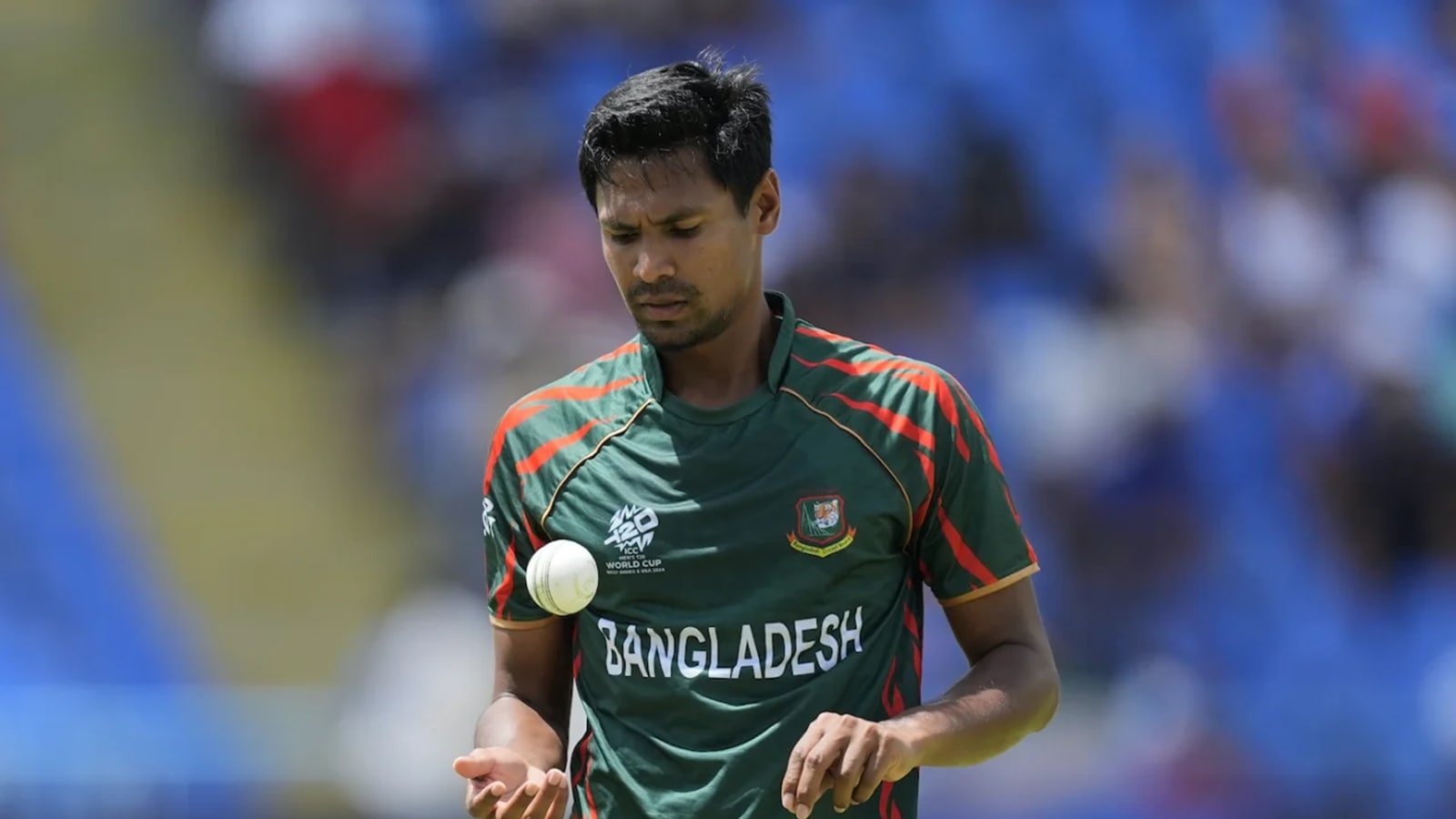
Mustafizur Rahman's IPL Exclusion: A Diplomatic Blunder
Shashi Tharoor argues that the decision to exclude Bangladeshi cricketer Mustafizur Rahman from the Indian Premier League (IPL) is not just misguided but also a significant diplomatic blunder. In a region where sports and politics are often intertwined, this ban represents a troubling departure from the meritocratic spirit of the IPL.
Tharoor believes that conflating Bangladesh's internal issues with Pakistan's state-sponsored hostility is a gross oversimplification. He asserts that targeting an individual athlete as a response to political instability is an appalling act that politicizes sports, undermining the very essence of a tournament meant to celebrate global talent.
The IPL has built its reputation on inclusivity, allowing players from diverse backgrounds to showcase their skills. By excluding Rahman, who has been vetted and cleared by the Board of Control for Cricket in India (BCCI), the league risks damaging its integrity. Punishing a franchise for choosing a player based on his nationality sends the wrong message and diminishes the spirit of competition.
Tharoor emphasizes the importance of maintaining diplomatic ties with Bangladesh, a country with which India shares cultural and historical connections. He calls for a nuanced approach that promotes dialogue rather than exclusion. While he acknowledges the need to address the violence against minorities in Bangladesh, he argues that a blanket ban on Bangladeshi players only serves to alienate a population that has long-standing ties with India.
He raises a critical question about the implications of public outrage on sports decisions. If the outrage dictates eligibility, what happens to players like Litton Das or Soumya Sarkar, who are also cricketers from Bangladesh? This selective outrage leads to inconsistencies and undermines the integrity of the sport.
Tharoor insists that Bangladesh is not synonymous with Pakistan; the two nations have vastly different political landscapes. He warns against imposing a “Pakistan-like” isolation on Bangladesh, which only ignores the complexities of geopolitics. Instead, he advocates for engagement and diplomacy to foster a more stable relationship.
In conclusion, Tharoor argues that sports should remain a sanctuary for talent, free from the burdens of political tensions. He urges the BCCI and Indian citizens to uphold the spirit of sportsmanship, emphasizing the need to let players play while leaving diplomacy to the diplomats. The upcoming T20 World Cup should not be marred by political controversies, and India must not compromise its global image over social media outrage.