NASA's Space Station Transition: A Race Against Time
NASA is currently in a pivotal phase as it prepares to retire the International Space Station (ISS) within the next five years. This iconic structure has been home to astronauts for over two decades, marking a significant milestone in human space exploration. However, the clock is ticking, and the agency has yet to finalize detailed guidelines for the commercial space stations that are expected to replace it.
Several private companies are racing to develop new orbital platforms. Among the front-runners are Voyager Technologies, Axiom Space, Blue Origin, and Vast Space. NASA is anticipated to select one or two of these companies for larger contracts later this year. These contracts will support the construction of privately developed stations capable of taking over operations once the ISS is decommissioned.
The primary goal is to ensure that humans remain continuously present in low-Earth orbit, even as NASA shifts its focus to ambitious Moon and Mars missions. However, without clear directives on the requirements for future stations, companies face significant challenges in their planning processes. Industry leaders have expressed concerns that any further delays could create a critical gap between the ISS and its successor.
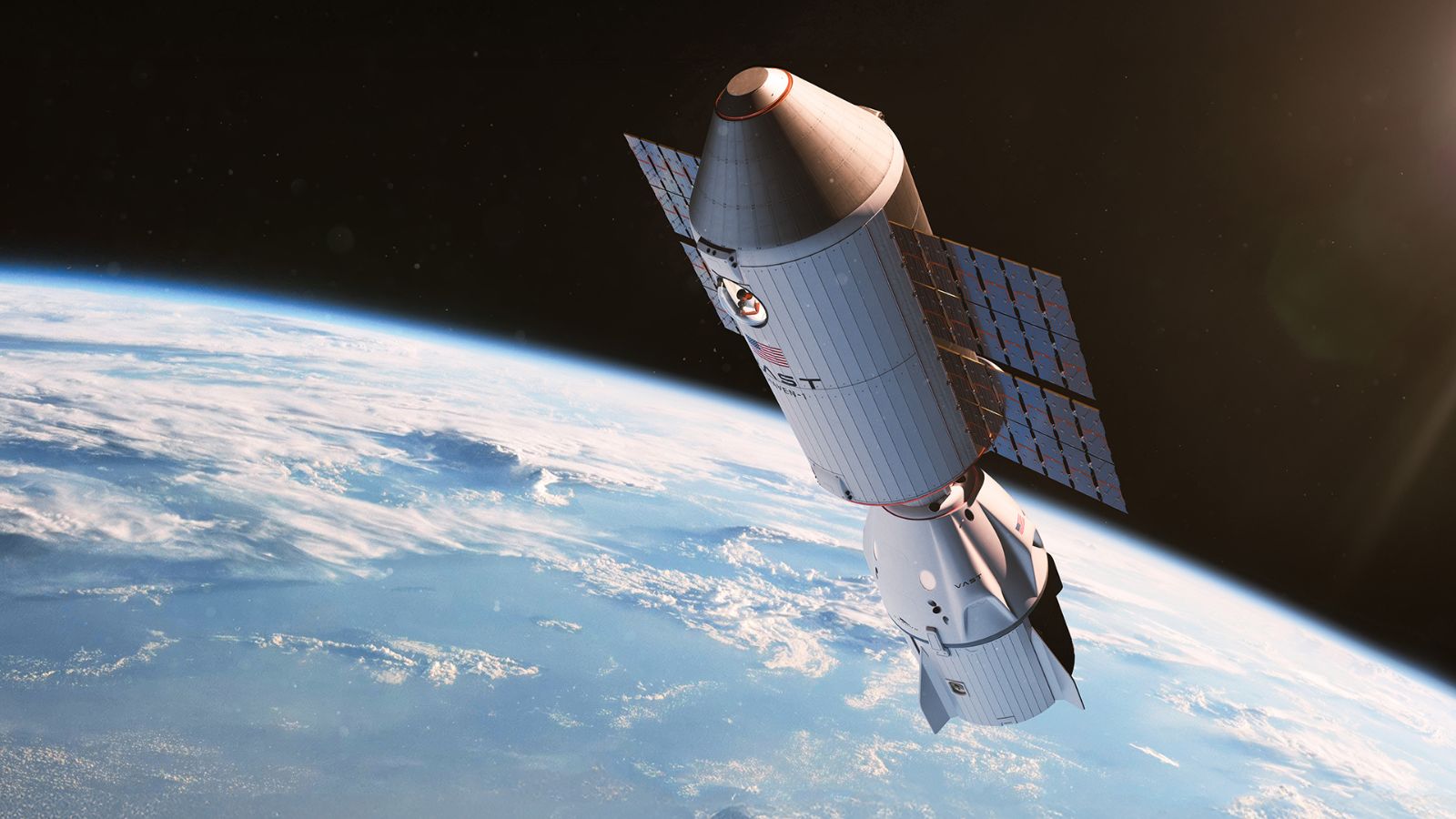
Among the contenders, Vast Space is making considerable progress with its smaller station, Haven-1. This station is intended for short-duration missions rather than accommodating permanent crews. CEO Max Haot revealed that while Haven-1 was initially slated for a mid-2026 launch, the timeline has now shifted to early 2027. Nonetheless, the company is optimistic about meeting this revised deadline while adhering to safety protocols.
Vast Space has already completed the main structure of Haven-1 and achieved significant testing milestones. The next steps involve integrating essential systems like thermal control and propulsion before conducting a comprehensive test campaign with NASA ahead of the launch.
Initially, Haven-1 will operate without a crew. After its launch, the company intends to remotely monitor the station to ensure all systems are functioning correctly. Approval for sending astronauts aboard a SpaceX Crew Dragon will only be sought after verifying the station's readiness. A crew could potentially arrive within weeks of the launch, contingent upon successful reviews.
Vast has not disclosed the names of the astronauts yet, but discussions are ongoing with private individuals and national agencies. The station is expected to have a lifespan of about three years, during which multiple short missions could take place, depending on demand and NASA's involvement.
Looking ahead, Vast is also planning to develop a larger follow-up station that builds upon the systems established with Haven-1. Haot believes this strategic and phased approach positions the company favorably as NASA prepares to award its next contracts. As the agency deliberates its future moves, the urgency to finalize requirements and make rapid decisions is intensifying. For companies like Vast, the upcoming months will be critical in determining whether commercial stations are ready on time or if the ISS will need to remain operational longer than anticipated.