Shining Light on Rare Cancers This World Cancer Day
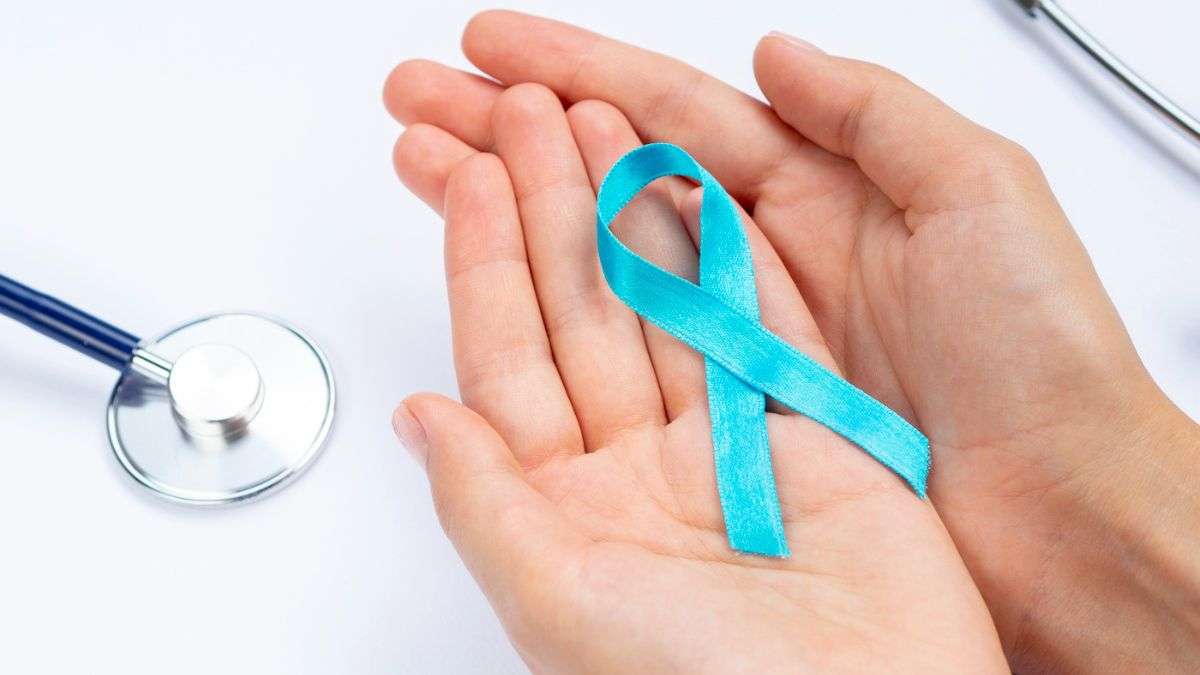
World Cancer Day, observed on February 4, serves as a poignant reminder of the fragility of life and the remarkable courage displayed by those battling cancer. While prominent cancers like breast, lung, and colon often dominate conversations, it’s essential to focus on the rarer forms that frequently go unnoticed. These lesser-known cancers deserve our attention and understanding.
One such example is NUT carcinoma, a brutally rare type that primarily affects younger individuals. This aggressive cancer usually manifests in the chest, head, or neck and grows rapidly. Unfortunately, it has often been misdiagnosed due to its similarity to other cancers under a microscope. Only recently has it gained proper recognition, but awareness is still lagging.
Another rare cancer is one that affects the liver but doesn’t follow the usual patterns. It generally targets teenagers and young adults with no prior history of liver disease. This can lead to late-stage diagnosis, as symptoms such as vague fatigue and dull pain are easily dismissed.
Then there’s a sneaky skin cancer linked to sun exposure and an obscure virus. It may appear as a small, painless bump, often mistaken for a harmless growth. However, if left untreated, it can spread rapidly, particularly among older adults.
Blood vessel cancer is yet another rare type that can develop anywhere in the body, including the skin, liver, and heart. Its symptoms often resemble bruising or swelling, causing both patients and doctors to overlook it until it has progressed significantly.
Lastly, bile duct cancer is extremely rare and complex, making it difficult to treat. Symptoms often don’t become apparent until the disease has advanced, presenting as itching, jaundice, and vague abdominal pain. Many patients find out too late when surgical options are no longer viable.
Cancer is not a single narrative; it encompasses thousands of stories, each unique in its challenges and struggles. On this World Cancer Day, let us not forget that even the quietest voices in the cancer community deserve to be heard loud and clear.