South Africa's ODI Challenges Ahead of 2027 World Cup
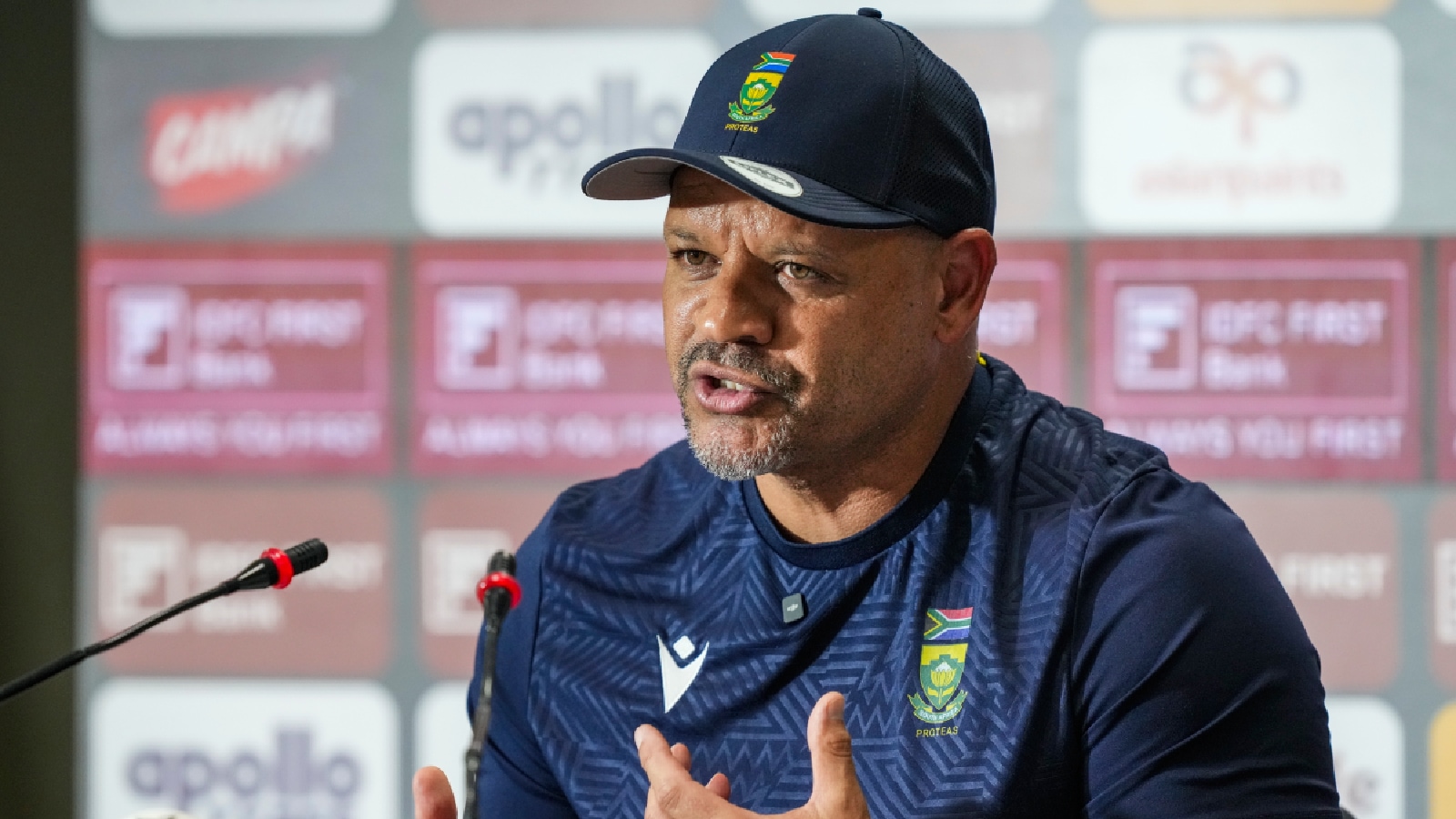
South Africa's batting coach Ashwell Prince recently shared insights on the team’s progress and challenges as they prepare for the 2027 World Cup. He pointed out that the Proteas need to enhance their performance during critical moments in matches, often referred to as “clutch moments.” This acknowledgment comes as the team has been focused primarily on Test cricket and the upcoming T20 World Cup, leaving their ODI format still in an experimental phase.
Prince expressed satisfaction with the depth of both batting and bowling in the team but emphasized the importance of excelling in high-pressure situations. “White-ball cricket is about high-pressure environments, and that’s where we want to get better,” he stated. With the first ODI against India approaching, he highlighted the role of dew in the match, indicating that teams would prefer to chase runs in such conditions.
The coach acknowledged the return of Indian stars Rohit Sharma and Virat Kohli, recognizing their world-class abilities. However, he insisted that the team would focus on their own strengths rather than be intimidated by the opposition. “We tend to try to focus on what sort of damage we can cause the opposition,” he mentioned.
Reflecting on the team's recent success, Prince noted their historic 2-0 Test series victory and described it as “massive.” He acknowledged the importance of captain Temba Bavuma’s calm demeanor, which has positively influenced the team’s atmosphere. “He stays calm, and that obviously filters through the dressing room,” Prince added.
Prince also highlighted South Africa’s improved results in India, attributing this to a change in mindset. “Years ago, conditions here were foreign. Now many of our players tour India in various formats. Adaptability is the most important word for us,” he explained. He praised Marco Jansen’s growth across formats, noting that his clarity in roles has contributed to his success.
As they embark on the ODI leg, Prince is optimistic about the team's potential. He believes that despite India's experience and depth, the Proteas’ approach remains straightforward. “For us, it’s about assessing quickly, adapting quickly, and communicating well,” he concluded.