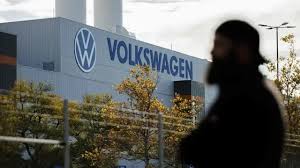
Volkswagen Closes Historic German Plant
Volkswagen has reached a historic milestone by closing its plant in Dresden, Germany, marking the first time in its 88-year history that it has shut down a facility in its home country. The last vehicle, an ID.3 GTX, will roll off the assembly line, concluding 24 years of production. This closure is not merely an operational decision; it reflects the challenges faced by the entire automotive industry, particularly in the context of declining demand in key markets like Europe and China.
The decision comes after Volkswagen warned of potential production cuts due to shaky market conditions. The company has struggled with rising tariffs in the United States, which have significantly impacted sales. Last quarter, Volkswagen reported a loss of $1.5 billion, partly attributed to these tariffs, with expectations of over $5 billion in tariff-related costs for the year. As a result, this closure is part of a broader strategic shift within the company.
Following the closure, the Dresden plant will be repurposed into a research hub focused on advanced technologies such as artificial intelligence, robotics, and chip design. Volkswagen plans to collaborate with the Saxony state government and the Dresden University of Technology on this new initiative. The plant, known as the Transparent Factory due to its glass walls, will now serve as a center for innovation rather than vehicle production.
The impact of this decision is significant for the 230 employees at the Dresden plant. Volkswagen has promised severance packages, retirement options, or the possibility of transferring to other locations within the company. Such measures aim to support the workforce during this transition, acknowledging the personal implications of the plant's closure.
This development is indicative of the broader economic challenges facing not just Volkswagen but the German economy as a whole, which has seen stagnation and contraction in recent years. Analysts have noted that these issues are not isolated but reflect global trends affecting the automotive market, including supply chain disruptions and geopolitical tensions.
As Volkswagen navigates these turbulent waters, the decision to close the Dresden plant represents a pivotal moment. The company's focus on innovation and technology may pave the way for future growth, even as it grapples with current economic realities.