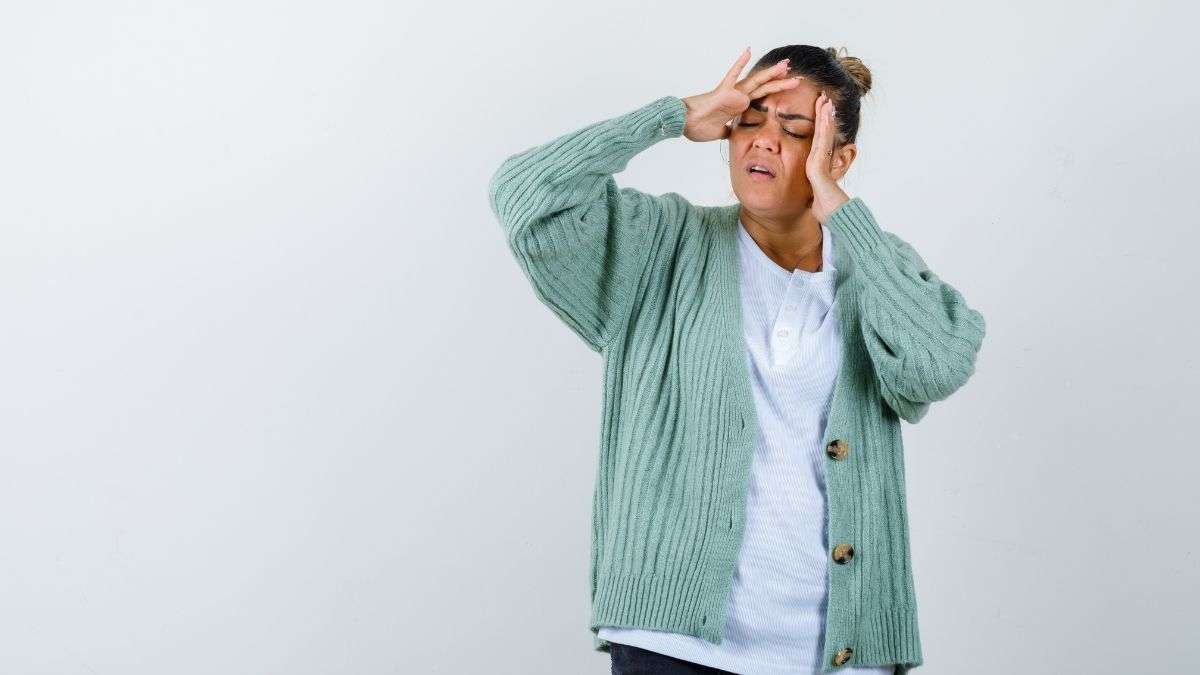
Winter's Hidden Stroke Risk
As winter approaches in India, many individuals focus on common ailments like colds and coughs, often overlooking a serious health concern: the increased risk of strokes. Dr. Bhupesh Kumar Mansukhani, a seasoned neurologist, sheds light on this issue, noting that colder temperatures can lead to a rise in stroke admissions in hospitals.
The cold weather places significant stress on blood vessels, which can trigger strokes, especially in individuals with pre-existing health conditions. In India, although winters are milder compared to some other countries, they can still pose serious health risks. The constriction of blood vessels caused by cold can elevate blood pressure, and even slight fluctuations can have dangerous consequences for those with hypertension, diabetes, or a history of strokes.
Moreover, during winter, many people tend to drink less water due to reduced thirst sensations. This leads to thicker blood and slower circulation, creating an ideal environment for clot formation. Dr. Mansukhani emphasizes that dehydration, often underestimated, significantly increases blood viscosity and stroke risk.
Winter habits can further contribute to this risk. Physical inactivity becomes prevalent, with people consuming larger meals and often increasing their alcohol intake. Additionally, sudden exposure to cold, such as taking cold showers or early morning walks, can lead to spikes in blood pressure. Interestingly, most stroke incidents occur during the early morning hours when the body is already under natural stress.
Most Indian homes lack central heating, leaving the elderly vulnerable to prolonged exposure to low indoor temperatures. This, combined with air pollution, respiratory infections, missed medications, or irregular health check-ups, elevates the risk of strokes significantly.
Recognizing stroke symptoms is crucial. Signs such as weakness on one side of the body, slurred speech, facial drooping, and sudden confusion should never be ignored. Early detection and prompt medical intervention can be the difference between a complete recovery and lifelong disability.
While winter itself does not directly cause strokes, it reveals weaknesses in already fragile health systems. Changes in dietary habits, such as cravings for salty and fried comfort foods, along with decreased consumption of fruits, vegetables, and water, can exacerbate the situation. Excessive salt raises blood pressure, unhealthy fats contribute to cholesterol buildup, and dehydration thickens the blood, creating a perfect storm for stroke risk. Sleep patterns also suffer in winter, with shorter days and increased screen time disrupting the body’s internal clock.
In conclusion, while winter may evoke feelings of coziness, it is essential to approach this season with extra caution. By staying informed about health risks and adopting proactive measures, we can enjoy the winter months while safeguarding our health.