Acting FAST: Save Lives from Stroke
Stroke is a critical medical emergency that demands immediate attention. In India, many stroke patients arrive at hospitals after the vital early treatment window has passed, often resulting in severe consequences. Dr. Prashank Goel, a consultant neurosurgeon, highlights that around one in three stroke patients delay seeking help, which can profoundly affect recovery outcomes.
Strokes can be classified into two main types: ischemic and hemorrhagic. Both types deprive the brain of oxygen, which is essential for its functioning. Even a brief disruption in blood flow can lead to serious and lasting effects on movement, speech, and memory.
To aid in early recognition, doctors recommend the FAST method—Face, Arms, Speech, and Time. Dr. Goel asserts that checking for these symptoms can be done in less than ten seconds, but acting on them can potentially save a life. The first hour after a stroke is termed the “golden hour,” where timely medical intervention can make a significant difference.
For ischemic strokes, treatment may involve a clot-busting drug called tPA to restore blood flow. In cases of hemorrhagic stroke, surgical intervention may be required to control bleeding. Dr. Goel emphasizes that “every minute’s delay can destroy millions of brain cells,” underlining the urgency of prompt action.
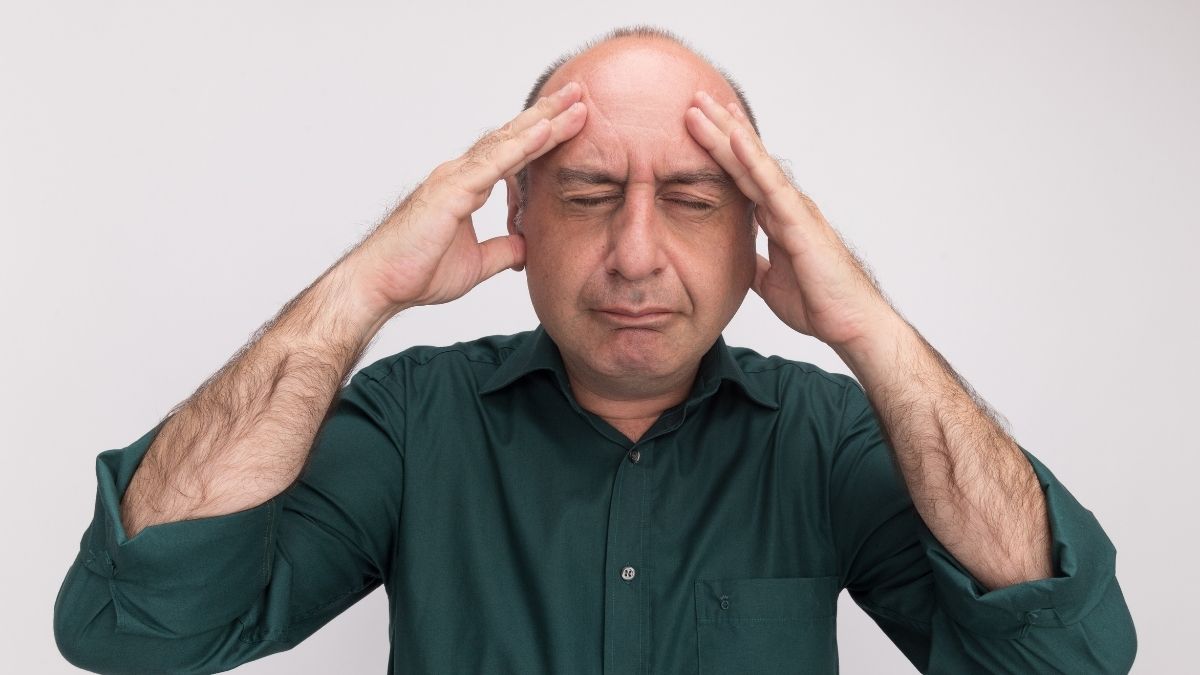
Some strokes may present subtle symptoms that are often overlooked. Sudden confusion, vision loss, dizziness, and severe headaches can all be indicators of a stroke. Young individuals might misinterpret these symptoms as fatigue or migraines, while older adults may dismiss them as signs of aging. Awareness and quick response are crucial.
Preventing strokes involves managing health conditions such as hypertension, diabetes, and high cholesterol, along with maintaining a healthy lifestyle. Factors like smoking, excessive drinking, and inactivity increase risk. Additionally, a heart rhythm disorder known as atrial fibrillation can lead to clot formation, which may travel to the brain.
Dr. Goel notes that controlling these risk factors through lifestyle modifications, medications, and regular health check-ups can significantly reduce the risk of strokes. Simple changes, like reducing salt intake, walking regularly, and quitting smoking, can have lasting health benefits.
In conclusion, recognizing stroke symptoms and acting swiftly can change lives. The FAST method is a simple yet effective way to identify a stroke early. Remember: every second counts. Taking action can preserve speech, movement, and independence, ultimately saving lives.