AI: A Teacher's Assistant, Not a Replacement
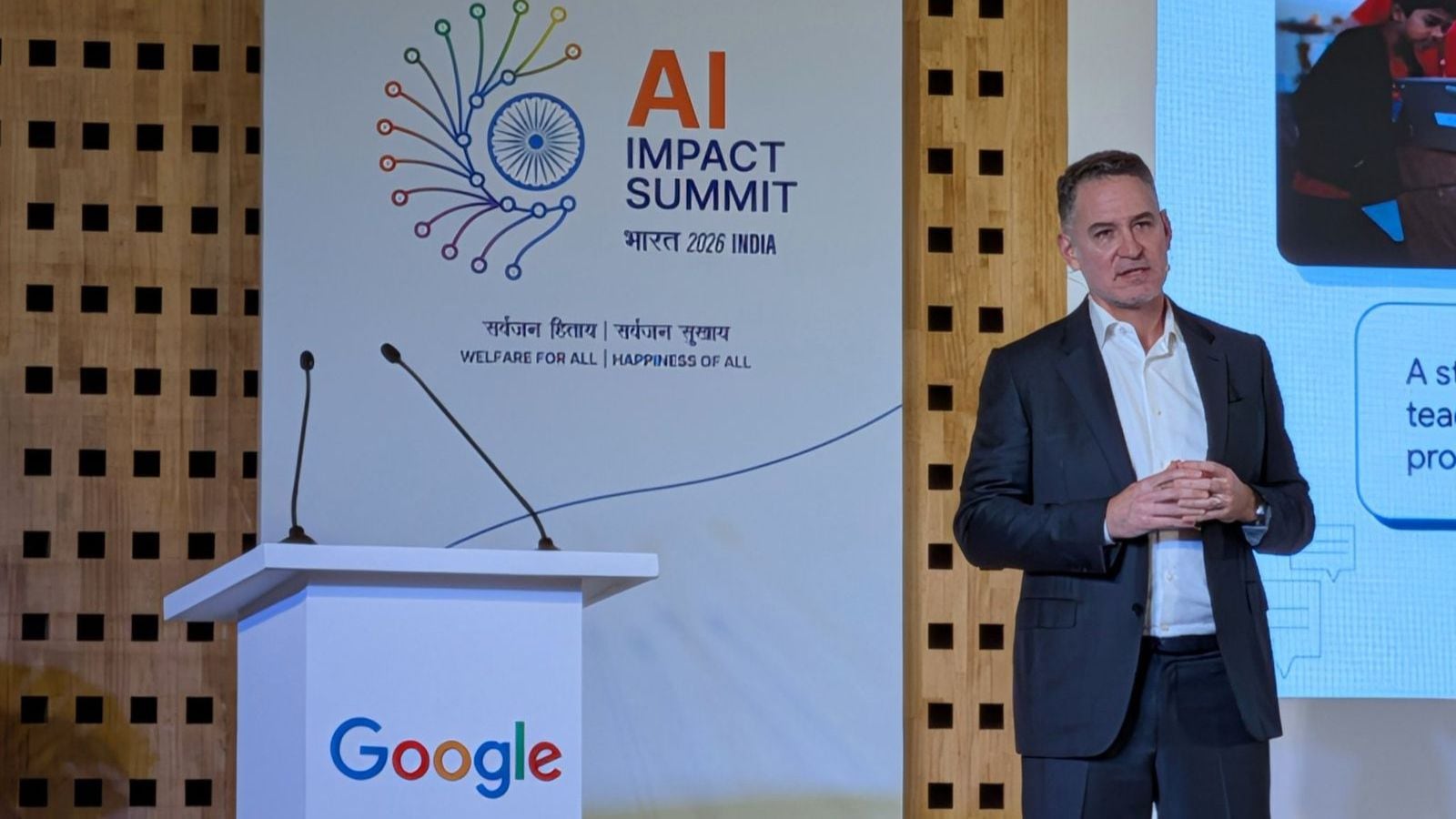
In today's rapidly evolving educational landscape, the role of technology, particularly artificial intelligence (AI), has come under scrutiny. Chris Phillips, the Vice President and General Manager of Education at Google, is clear on one point: AI is meant to assist teachers, not to replace them. During his recent visit to India for the AI Learning Forum in Delhi, he articulated how tools like Gemini can significantly enhance personalized learning experiences.
Phillips emphasized that the connection between teachers and students is essential for effective learning. He believes that teachers often require support to manage their workloads, allowing them to dedicate more time to student interactions. By integrating AI into the educational process, educators can utilize technology to streamline their lesson planning and assignments, facilitating deeper student-teacher relationships.
In India, where the traditional teacher-led approach has been predominant, the incorporation of AI can introduce new learning dimensions. For instance, students can engage with multimodal learning, which employs various formats such as visuals and audio to reinforce understanding. This method can cater to diverse learning preferences, making education more accessible for everyone.
As AI tools become more sophisticated, they are evolving beyond simple tasks like grammar checking. Today, they actively engage students, enabling them to ask questions and explore subjects independently. Phillips shared examples of guided learning methods tested in Indian schools, showcasing how personalized learning can thrive in a teacher-led environment.
At the AI Learning Forum, Google announced initiatives aimed at placing AI at the heart of education in India. Notably, Gemini will now offer full-length Joint Entrance Examination (JEE) practice tests, which are crucial for students aspiring to enter engineering colleges. Collaborations with educational firms ensure that the content aligns closely with actual exam questions, enhancing preparedness.
Moreover, Google is introducing features in its search engine that will assist students in creating study guides and interactive quizzes. These innovations reflect a commitment to making learning more engaging and effective. Critics may argue about the potential negative impacts of AI on cognitive development, but Phillips stresses that the focus is on promoting active learning and critical thinking skills.
As India emerges as a global hub for AI-powered education, establishing policies that govern the use of AI in schools will be vital. These guidelines should ensure that AI is used responsibly, protecting students' data and providing educators with the tools they need to foster meaningful learning experiences. The future of education in India looks promising with AI as a supportive ally for teachers and students alike.