AI in Indian Policing: Opportunities and Concerns
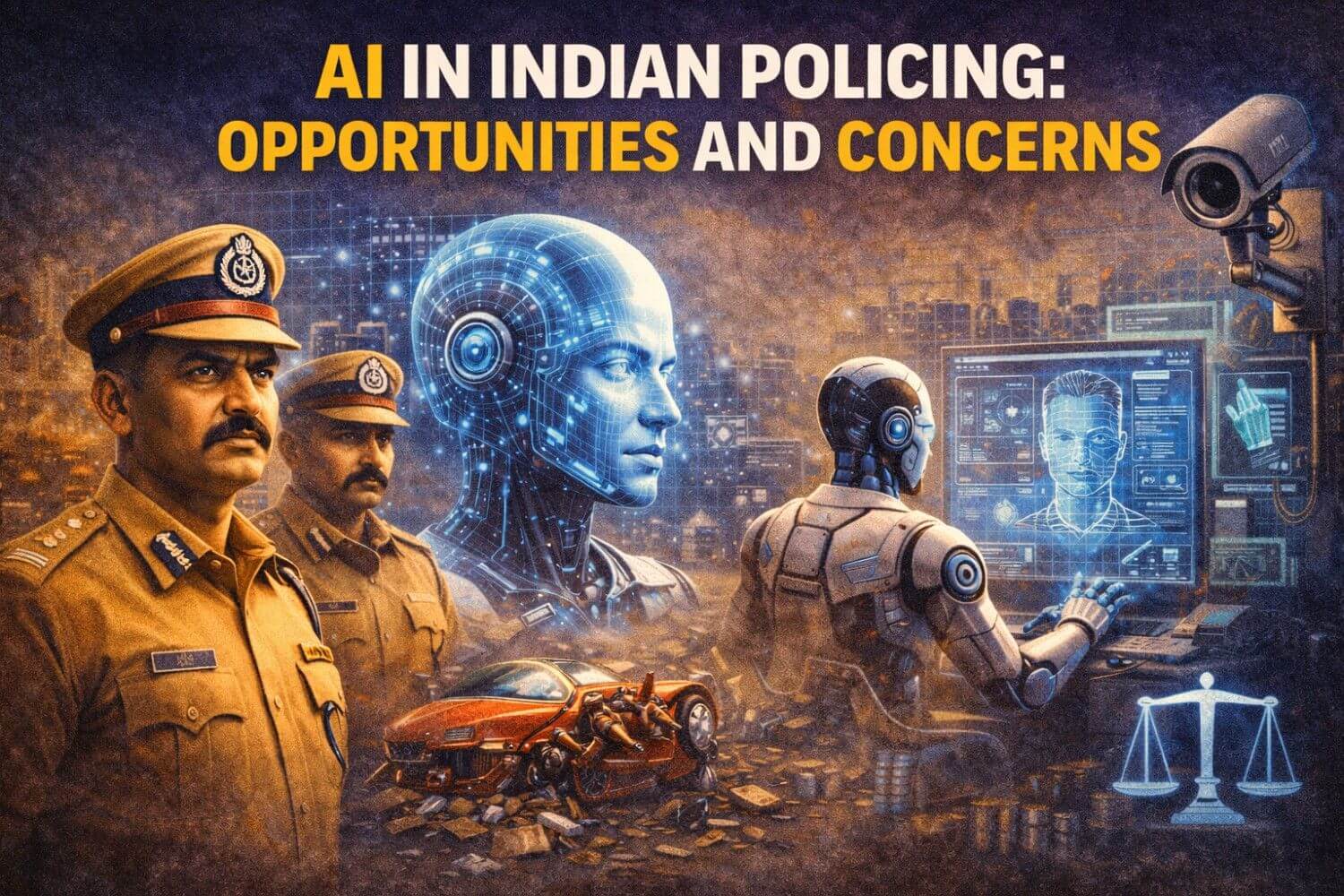
As India's law enforcement agencies embrace artificial intelligence (AI), the landscape of policing is undergoing significant changes. Tools like MahaCrimeOS AI, developed with Microsoft’s support, are enabling police forces to analyze vast amounts of data quickly. This technology aids in investigations by processing call records, CCTV footage, and digital evidence, allowing officers to link cases and identify suspects in real time.
The need for such innovation is urgent as India faces a surge in cybercrime and online fraud, coupled with uneven police resources across states. AI offers a promising solution to enhance efficiency, improve response times, and modernize policing without drastically increasing manpower. For instance, the Maharashtra Police has begun piloting MahaCrimeOS AI across several police stations, which automates investigation workflows and streamlines processes.
However, the integration of AI in policing isn't without its challenges. Critics argue that AI-driven systems can reinforce existing biases in law enforcement, as they heavily rely on historical data. This reliance can lead to over-policing and unjust targeting of specific communities. Concerns about accuracy, transparency, and accountability also loom large, especially as AI technologies like facial recognition become more prevalent.
Moreover, the broad exemptions for law enforcement under data protection laws complicate the situation further. As these AI tools proliferate, the potential for misuse and violation of citizens' rights increases. For example, facial recognition technology has been used to identify individuals in the context of riots, leading to fears about surveillance and personal autonomy.
In an effort to enhance their capabilities, Delhi Police plans to expand the use of AI-powered facial recognition technology, which will analyze live CCTV feeds to track suspects and missing persons. Similarly, Bengaluru Police are utilizing AI to monitor firecracker usage during festivals, sending alerts when violations occur. These advancements highlight the dual nature of AI in policing: while it can increase operational efficiency, it also raises significant ethical questions.
As India explores the potential of AI in law enforcement, the challenge lies in balancing innovation with ethical considerations. The future of policing in India may depend on how effectively these technologies can be integrated while ensuring fairness, accountability, and respect for citizens' rights.