Iran-US Talks: A Turning Point for West Asia
The recent developments regarding the resumption of talks between Iran and the United States have significant implications for West Asia and India. US Middle East envoy Steve Witkoff's visit to Israel and the ongoing discussions highlight the escalating tensions in the region. Israel perceives Iran as a direct threat due to its stated goal of destroying the nation, especially as protests against the Iranian government create a perceived window of opportunity for regime change.
For India, the outcomes of these talks could influence regional stability and energy prices, given Iran's vital role in the global oil market. A potential conflict could disrupt trade routes and have far-reaching economic consequences for India and its neighbors. The complexities of the situation are heightened as Gulf states express concerns over the repercussions of any military action against Iran, fearing it could lead to widespread instability.
Israel's strategy is shaped by its geographical distance from Iran, which influences its risk calculations. However, for the Gulf states, the situation is far more precarious. They are aware that any attack on Iran could lead to retaliation and destabilization of the entire region, undermining their economic progress. This has led to intense discussions among regional partners, including Qatar and Saudi Arabia, to convey their apprehensions to the US.
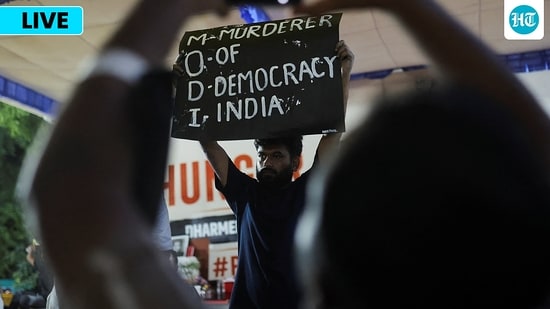
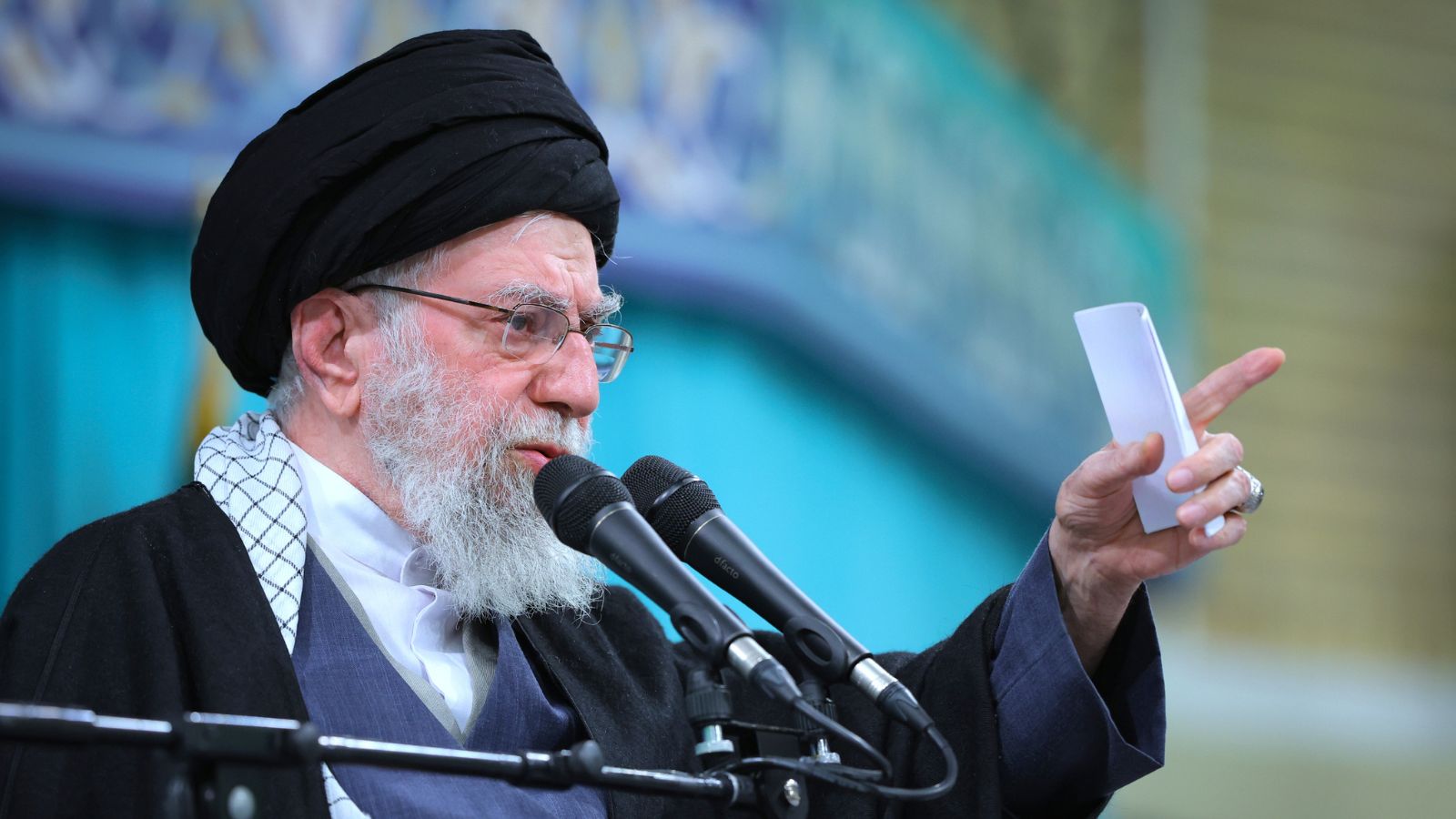
Iran's own position has shifted under pressure, particularly following the economic strain caused by renewed sanctions. The protests within Iran indicate a growing discontent among its citizens, compelling the government to reconsider its stance on negotiations. As Iran prepares to engage in talks, the focus will likely remain on its nuclear program and the relief of sanctions, which are crucial for alleviating economic hardships.
The upcoming talks in Oman represent a critical juncture for both Iran and the US. Expectations are that Iran may insist on its right to uranium enrichment while seeking sanctions relief. This delicate balancing act will require careful negotiation, and the outcome could redefine relationships in the region. For India, monitoring the developments in these talks is essential, as they hold the potential to shape the future of West Asia and influence its own strategic interests.
In conclusion, as the talks commence, all eyes will be on the negotiation table to see if a compromise can be reached that ensures a measure of stability in a region fraught with conflict and uncertainty.