Sonam Wangchuk Hospitalized Amid Protests
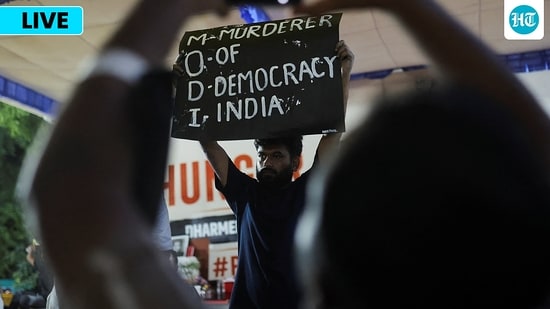
Sonam Wangchuk, a well-known activist and engineer, has been hospitalized due to health concerns while on a hunger strike. His situation has drawn national attention, particularly as his supporters prepare for a significant protest march called "Sansad Chalo" to Parliament. This march coincides with the start of the Monsoon Session, but the Delhi Police have stated that such a gathering will not be permitted.
The police's refusal to allow the march stems from concerns about law and order in a sensitive area of Delhi. High-ranking police officials have categorized the protest as illegal, asserting that the organizers did not seek the necessary permissions. This decision has sparked debates about the right to protest and the role of law enforcement in monitoring such events.
As Wangchuk’s health deteriorates, with reports indicating he is weak and mildly dehydrated, the urgency for a resolution intensifies. Medical experts have warned that his condition, described as "compensated metabolic acidosis," requires immediate intervention to prevent further health complications. The hospital's treatment plan stresses the need for intravenous fluids and nutritional support to stabilize his condition.
Amid these developments, political figures have also voiced their opinions. Union minister Chirag Paswan accused opposition parties of using Wangchuk for political gain, suggesting that they are leveraging his activism to regain lost political ground. This sentiment reflects the complex interplay between health activism and political agendas in India.
Wangchuk’s hospitalization has not only highlighted the immediate health risks he faces but has also underscored the growing mobilization around his cause. Supporters continue to rally for the planned march, despite police warnings, indicating a deep commitment to the issues Wangchuk represents. This situation exemplifies the challenges faced by activists in India, where health crises can intertwine with political movements and public safety concerns.
As the situation unfolds, it raises critical questions about the boundaries of protest, the responsibilities of authorities, and the health of individuals who become symbols of larger social issues.