AI's Future: Bridging Gaps with World Models
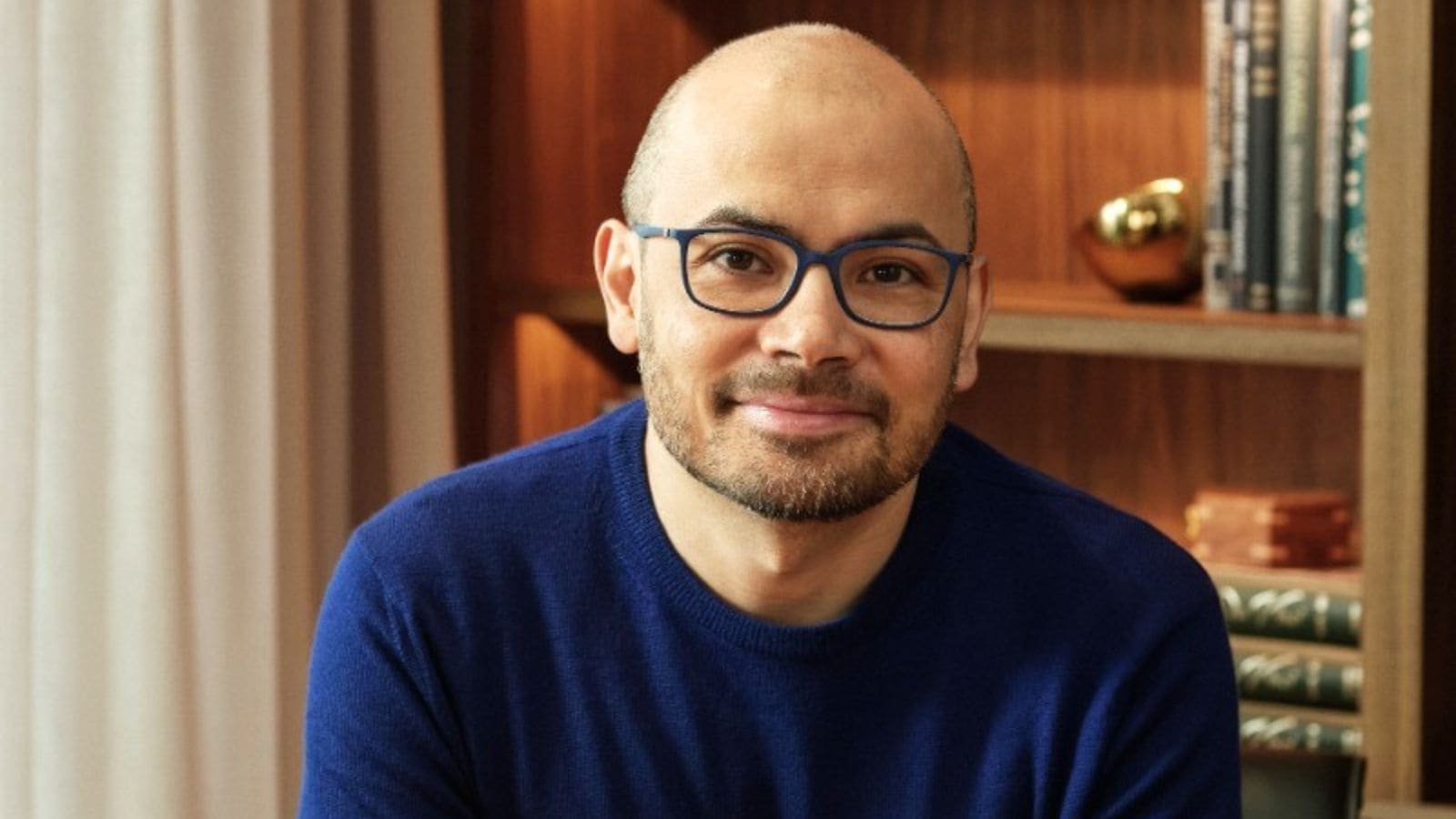
In a significant discussion, Demis Hassabis, the CEO of Google DeepMind, shared insights on the current limitations of AI. He pointed out that modern large language models (LLMs) still miss critical capabilities such as long-term planning, continual learning, and enhanced reasoning skills. Though advanced models like Google’s Gemini 3 can process various forms of media, they still fail to grasp fundamental concepts like physics and causality.
Hassabis emphasizes the importance of developing “world models” that can provide AI systems with a deeper understanding of the physical world. This could lead to AI being able to run simulations in its mind, similar to how human scientists hypothesize and test theories. He believes that to truly comprehend how the world operates, AI must create accurate models that encompass everything from intuitive physics to complex systems like biology and economics.
Hassabis is not alone in his vision. Renowned AI researcher Yann LeCun, who was formerly the chief AI scientist at Meta, shares a similar belief in the potential of world models. Recently, LeCun announced the establishment of his startup, Advanced Machine Intelligence (AMI), which will focus on this area. However, despite their shared enthusiasm for world models, the two differ on several philosophical grounds, especially regarding the concept of general intelligence.
LeCun argues that general intelligence, as it is often understood, doesn't exist. He suggests that human intelligence is highly specialized rather than genuinely general. In contrast, Hassabis firmly disagrees, stating that LeCun is “plain incorrect” and that he confuses general intelligence with what he defines as universal intelligence. He insists that human brains are the most complex phenomena known and possess true general intelligence.
The ongoing debate between these two leading figures in AI highlights the evolving landscape of artificial intelligence. As they explore the possibilities of world models and their implications, the future of AI could take a transformative turn, paving the way for innovations that we can only begin to imagine.