Boosting PNG Access Amid LPG Shortage
In response to the LPG supply crisis caused by the ongoing conflict in West Asia, the Indian government is taking significant steps to expand access to piped natural gas (PNG). The Centre has reached out to various states, urging them to expedite approvals for city gas distribution (CGD) projects. This initiative aims to encourage households and commercial establishments to transition from liquefied petroleum gas (LPG) to PNG, thereby alleviating the pressure on LPG supplies.
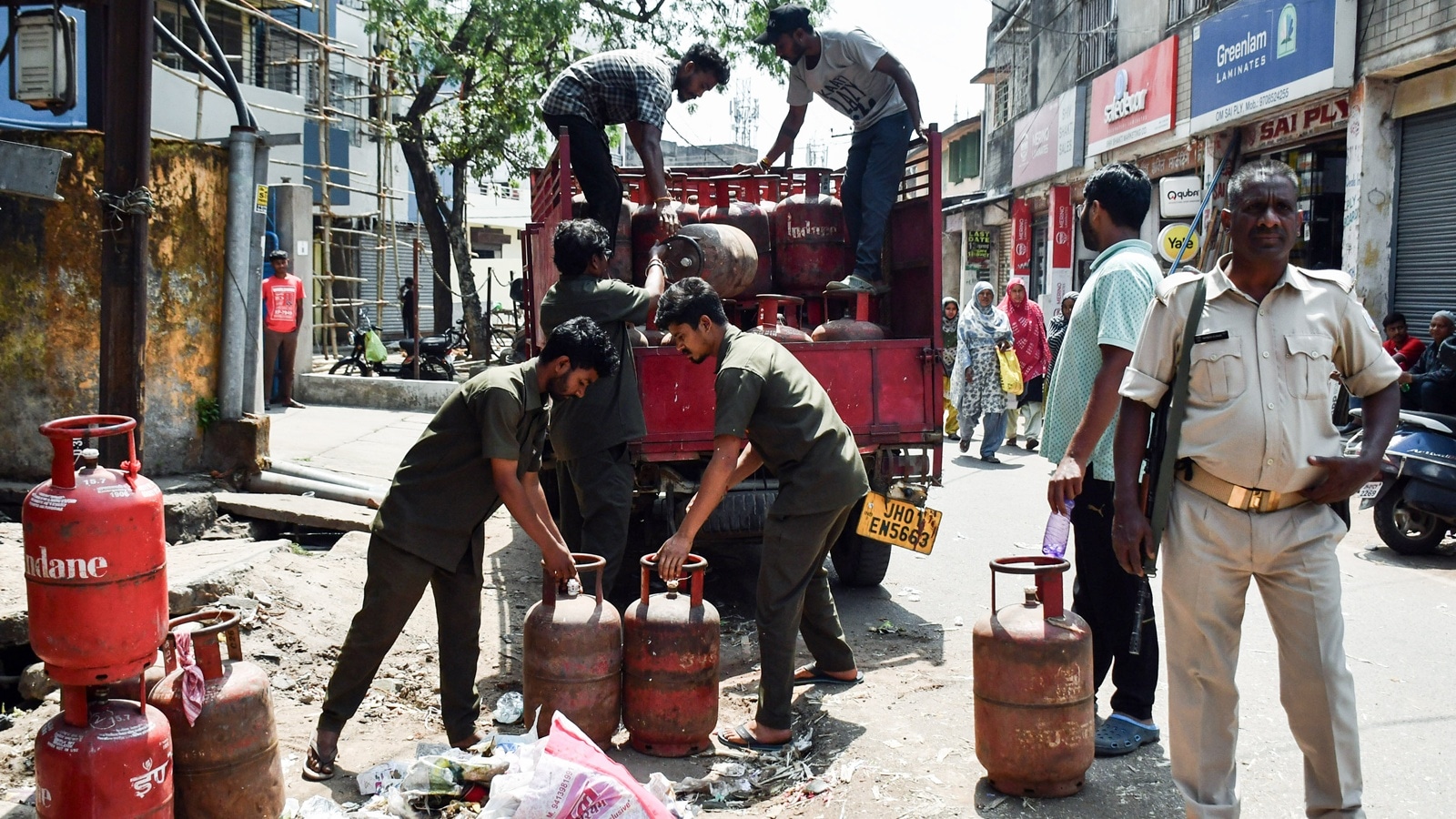
India's reliance on imports for LPG, with approximately 60% of its needs met through these imports, has intensified the urgency of this expansion. The critical Strait of Hormuz, through which a significant portion of these imports flow, has been affected, leading to a considerable shortfall in available LPG. With the government prioritizing LPG supplies for households, the commercial sector is facing severe shortages. Therefore, the push for PNG is timely, as it offers a viable alternative.
The Petroleum Ministry has made requests to state governments to streamline the city gas infrastructure expansion process. This includes issuing deemed permissions for pending applications and approving new CGD projects within 24 hours. Additionally, the government has suggested alternative kitchen solutions, such as induction cooktops, and has encouraged consumers to use LPG more efficiently.
As part of this initiative, some CGD companies are offering incentives like free gas volumes and waiving connection charges to attract consumers to switch to PNG. The Petroleum and Natural Gas Regulatory Board (PNGRB) has also advised CGD companies to enhance their operations and outreach efforts to ensure quick connections for consumers.
Despite the challenges, there has been a noticeable reduction in panic bookings for LPG cylinders, indicating a potential shift in consumer behavior. The government has also increased the waiting period for cylinder bookings to manage demand more effectively and prevent hoarding. With approximately 60 lakh households within the reach of PNG, this initiative has the potential to transform energy access in India.
Moreover, the government is taking strict measures against hoarding and black marketing of LPG, conducting thousands of raids and inspections to ensure a steady supply and fair practices in the market. Overall, this strategic push towards PNG not only addresses the immediate crisis but also paves the way for a more sustainable energy future in India.