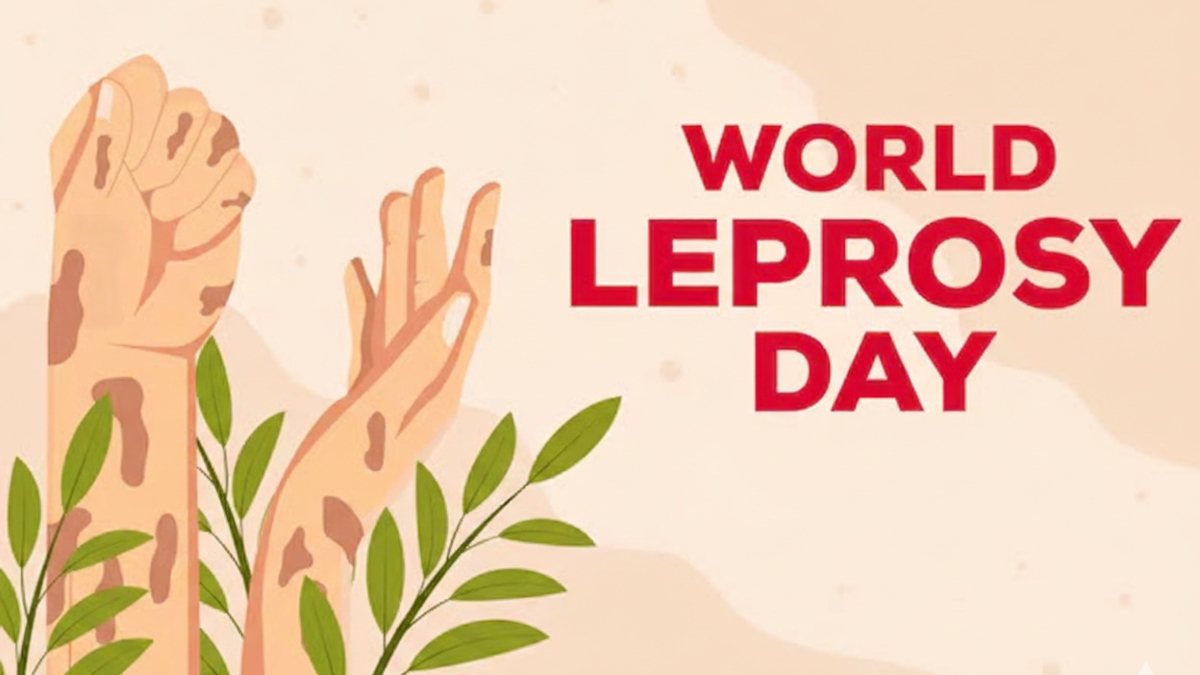
Busting Myths About Leprosy on World Leprosy Day
Leprosy, or Kusht Rog, is one of the oldest known infections that has plagued humanity for centuries. Even today, India holds the unfortunate distinction of having the highest number of leprosy cases globally. This raises a critical need for awareness and action to combat the disease effectively.
Many people believe that leprosy is highly contagious, leading to social stigma and isolation for affected individuals. However, this is a misconception. According to experts, leprosy transmission requires long-term, close contact with an untreated person; casual social interaction does not pose a risk. This means that individuals with leprosy can live with their families and participate in society without fear of spreading the disease.
Importantly, leprosy is completely curable with early diagnosis and treatment. The World Health Organization (WHO) recommends a multi-drug therapy (MDT) that is provided free of charge under national health initiatives. Timely medical intervention not only prevents complications but also reduces the stigma associated with the disease, allowing individuals to lead fulfilling lives.
Dr. Shitij Goel, a leading dermatologist, emphasizes that once treatment begins, a person with leprosy becomes non-infectious quickly. This fact underscores the importance of early detection and treatment, which can prevent nerve damage and disability in most cases. Without treatment, leprosy can severely damage nerves, leading to loss of sensation and unnoticed injuries, contributing to the false belief that body parts can "fall off."
Leprosy affects people of all ages, genders, and socioeconomic backgrounds. No community is immune to it. With appropriate treatment, individuals can study, work, marry, and contribute to society just like anyone else. The real challenge lies in breaking the stigma surrounding the disease and ensuring that those afflicted receive the support they need.
As we observe World Leprosy Day, it is vital to raise awareness about the realities of leprosy. Ending the disease and its associated stigma requires collective efforts and community involvement. Together, we can work towards a future where leprosy becomes a thing of the past, ensuring dignity and health for all.