Embracing Menopause: Twinkle Khanna's Insight
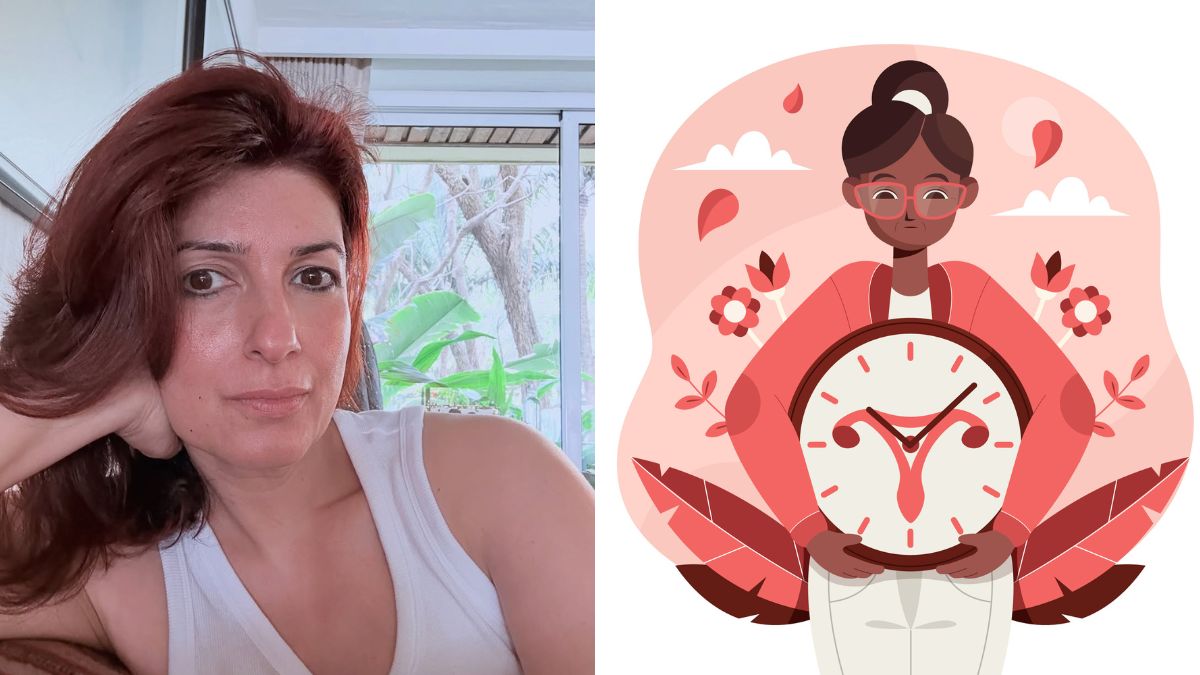
Twinkle Khanna's recent Instagram post about menopause has struck a chord with many Indian women navigating this significant life transition. In her candid, makeup-free style, she shared her experiences, shedding light on the often unspoken challenges that come with menopause. Her message emphasizes that menopause is not just a physical change but also a time of emotional upheaval, even for those who seem confident and successful.
In India, discussing menopause has often been taboo, relegated to hushed whispers. Khanna’s openness helps break this silence, encouraging women to engage in conversations about their health. Medical professionals, like Dr. Archana Dhawan Bajaj, echo her sentiments, advocating for a shift from mere symptom management to a more holistic approach to wellness. As women spend nearly a third of their lives post-menopause, prioritizing long-term health strategies becomes crucial.
Dr. Archana points out that hormonal changes during menopause impact various aspects of health, including bone density, heart health, and mood stability. Without proactive measures, women face risks like osteoporosis, heart disease, and weight gain. This understanding is vital for Indian women, as cultural norms often overlook women's health needs during this stage.
Hormone Replacement Therapy (HRT) is frequently discussed but often misunderstood. Dr. Archana explains that while HRT can significantly improve the quality of life for those with severe menopausal symptoms, it is not a one-size-fits-all solution. Individual health factors must guide its use, emphasizing the importance of personalized care.
Supplementation can also play a role in managing health post-menopause. Calcium and vitamin D are commonly recommended for bone health, while omega-3 fatty acids can support cardiovascular health. However, Dr. Archana warns against relying solely on supplements without a balanced diet, highlighting the necessity of proper medical guidance.
Importantly, strength training emerges as a key element for women after menopause. Muscle loss accelerates during this period, leading to various health challenges. Regular resistance training can counteract this decline, promoting overall strength and well-being. Additionally, focusing on sleep quality and stress management is essential.
In conclusion, menopause represents a significant transition rather than a decline in health. With the right support and lifestyle changes, women can remain vibrant and active well beyond the age of 50. Twinkle Khanna’s candid sharing has opened up vital discussions about menopause, signalling a much-needed shift towards proactive health care for women in India.