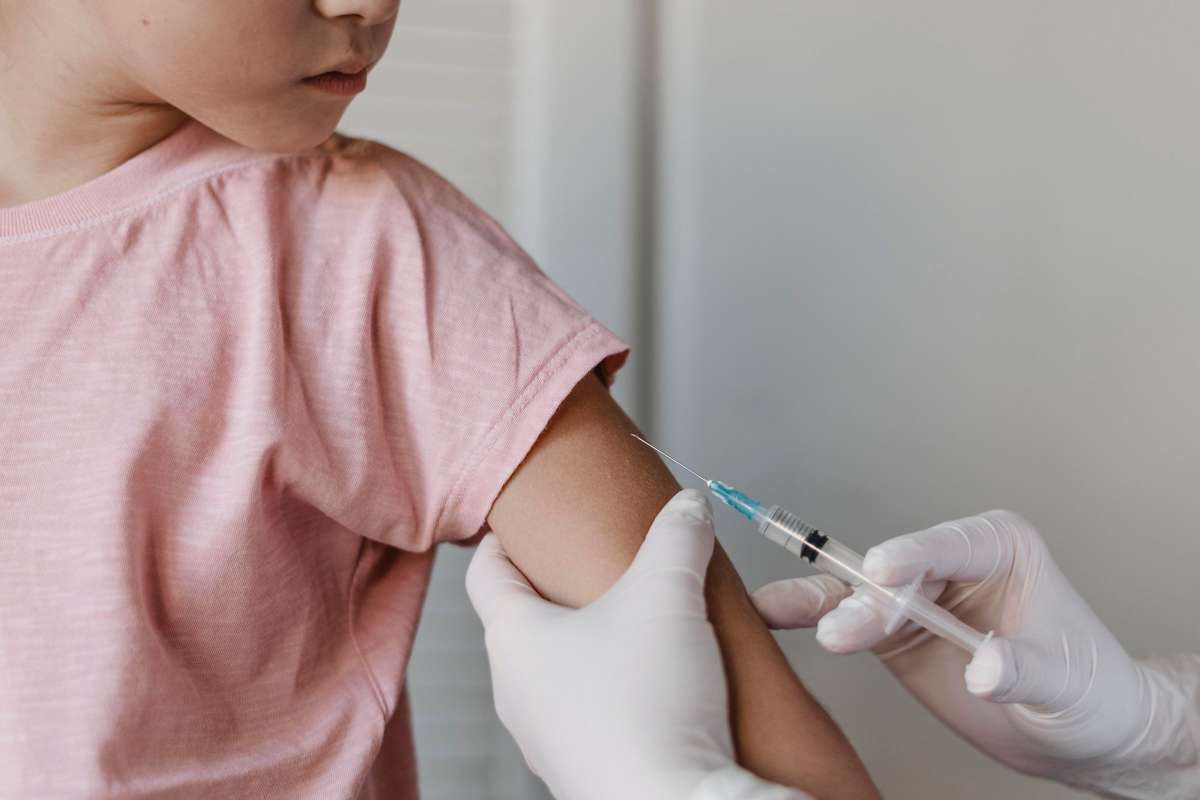
Vaccination Clarity for Indian Parents
National Vaccination Day serves as an important reminder for parents, especially those new to the journey of raising children. The complexities surrounding a child's vaccination schedule can often lead to confusion. With various vaccines, different timelines, and medical jargon, many families find themselves unsure if they are adhering to the right vaccination schedule.
Doctors emphasize that this confusion is entirely understandable. However, staying informed about vaccinations is crucial. Vaccination is one of the most effective methods to protect children from life-threatening infections. The timing of each vaccine is essential for maximizing its protective benefits. On National Vaccination Day, parents should familiarize themselves with India's National Immunization Schedule, which outlines the vaccines recommended from birth to adolescence.
The vaccination schedule is thoughtfully developed to ensure that children are protected at their most vulnerable stages of life. In the first few months, an infant's immune system is still developing, making vaccinations at this time particularly vital. Early vaccines include the BCG vaccine, the first dose of the oral polio vaccine, and the hepatitis B vaccine, all administered shortly after birth to help shield newborns from serious infections.
The first six months of an infant's life mark a critical phase in their immunization journey. During this period, vaccines are administered at 6 weeks, 10 weeks, and 14 weeks. These include the pentavalent vaccine, oral polio vaccine, rotavirus vaccine, and inactivated polio vaccine, which protect against various serious illnesses. In some regions, the pneumococcal conjugate vaccine (PCV) is also given.
As children approach their first birthday, several vaccines are provided to boost their immunity. Between 9 and 12 months, children receive the measles-rubella vaccine, and in certain districts, the Japanese encephalitis vaccine is also given. Vitamin A supplementation supports overall health during this time.
Vaccination continues beyond infancy. Booster shots are essential for strengthening immunity as children grow. From 16 to 24 months, booster shots for diseases such as diphtheria, pertussis, and tetanus, along with vaccines for measles and polio, are administered. Further booster shots are recommended at ages 5-6, 10, and 16 years.
Pediatricians advise parents to remember that the vaccination schedule is designed to provide maximum benefits without overwhelming them. Keeping a record of vaccinations, setting reminders for future doses, and seeking guidance from a pediatrician can help parents stay on track. If a vaccination is missed, it’s important to catch up as soon as possible, without restarting the entire vaccination process.
On National Vaccination Day, being informed about vaccination schedules is one of the simplest yet most effective steps parents can take to ensure their child’s health and well-being.