CEA Nageswaran Defends GDP Data Against Critics
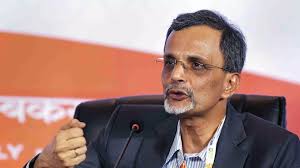
Chief Economic Advisor V Anantha Nageswaran recently defended the reliability of India's GDP data, particularly in light of criticisms that arise when growth figures exceed expectations. He pointed out a notable trend: critics often remain silent when GDP growth numbers disappoint, but raise concerns when the data surprises positively. This inconsistency in evaluating economic performance, he argued, showcases a bias against the methods used by Indian statistical authorities.
During a workshop organized by the Ministry of Statistics and Programme Implementation (MoSPI), Nageswaran highlighted that when the GDP contracted by 25% in the April-June 2020 quarter, there were no significant questions raised regarding the methodology or reliability of the data. Instead, the criticisms seem to emerge only when the GDP growth rate outperforms forecasts. In the latest reports, India’s GDP growth rate for July-September stood at a robust 8.2%, following a 7.8% growth in the previous quarter, which exceeded many economists' expectations.
However, some economists have expressed concerns that this growth might be overstated due to the methods used by the Statistics Ministry, particularly the single-deflator method. This method may inaccurately inflate the sector’s Gross Value Added (GVA) during periods of fluctuating prices. For instance, while GDP data indicated only a 1.2% inflation rate in the services sector, other indices suggested a much higher inflation rate of around 3.3%. Nageswaran contended that these criticisms were notably absent when wholesale inflation was high in previous fiscal years, suggesting that the skepticism about GDP data is selective.
Nageswaran also emphasized that India does not adopt some questionable methodologies used by developed nations, which may affect their official statistics. He encouraged a more mature approach to evaluating data, advocating for transparency and consistency. He noted that the credibility of GDP data would improve if outsiders could replicate the estimates, thus fostering trust among stakeholders.
Additionally, he discussed the challenges in accurately measuring the size of the informal sector in India, which is often considered overestimated due to the prevalence of sole proprietorships and small partnerships that do not maintain separate accounts. This complexity, he suggested, complicates efforts to gauge the true extent of informality in the economy.
In conclusion, Nageswaran called for a balanced critique of economic data, urging stakeholders to support the rigorous efforts of the Ministry of Statistics while maintaining a fair perspective on the methodologies used to compile such crucial information.