Curcumin's Heart Health Benefits for Diabetics
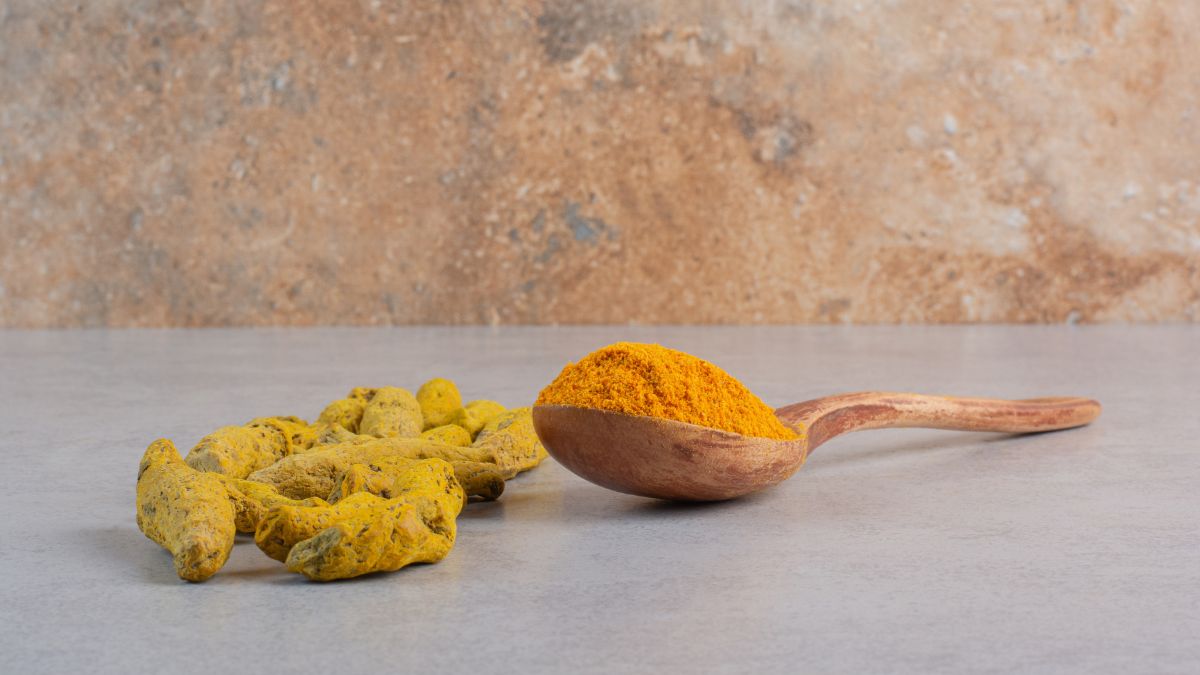
Curcumin, the yellow pigment found in turmeric, has been an integral part of Indian cooking for centuries. However, its benefits extend beyond just adding flavor to our dishes. Recent studies have begun to explore curcumin’s potential in supporting heart health, especially for individuals living with diabetes.
A recent study published in the journal Endocrinology, Diabetes & Metabolism has shifted the focus from merely controlling blood sugar to including blood pressure management. This is particularly crucial for diabetics, as they often face multiple health risks simultaneously. Curcumin may play a role in managing blood pressure by reducing inflammation and improving the function of blood vessels.
For many diabetics, chronic inflammation and stiff blood vessels can make it challenging to control blood pressure. While curcumin doesn’t provide instant results, it may help alleviate some of the pressure over time. The study indicated that participants who took curcumin supplements experienced modest reductions in blood pressure. These changes, while not dramatic, can be significant for those at risk of heart disease.
It is important to note that while cooking with turmeric retains some health benefits, the amount of curcumin it contains is relatively low, and the body does not absorb it efficiently. Curcumin supplements, on the other hand, deliver concentrated doses and often come with ingredients that aid absorption. This doesn’t render culinary turmeric ineffective; it simply works differently.
For individuals with type 2 diabetes struggling to manage blood pressure, curcumin may offer a beneficial addition to their health regime. It can also be an appealing option for those seeking to improve heart health without immediately resorting to additional medications. However, the effectiveness varies from person to person.
Though curcumin is generally safe for most, it can interact with certain medications, such as blood thinners. It’s vital to consult with a healthcare provider before beginning any supplement, especially for those on long-term medication. Curcumin should not be seen as a replacement for medical treatment or a quick fix. Still, its growing recognition in research highlights its importance in both culinary and health contexts.