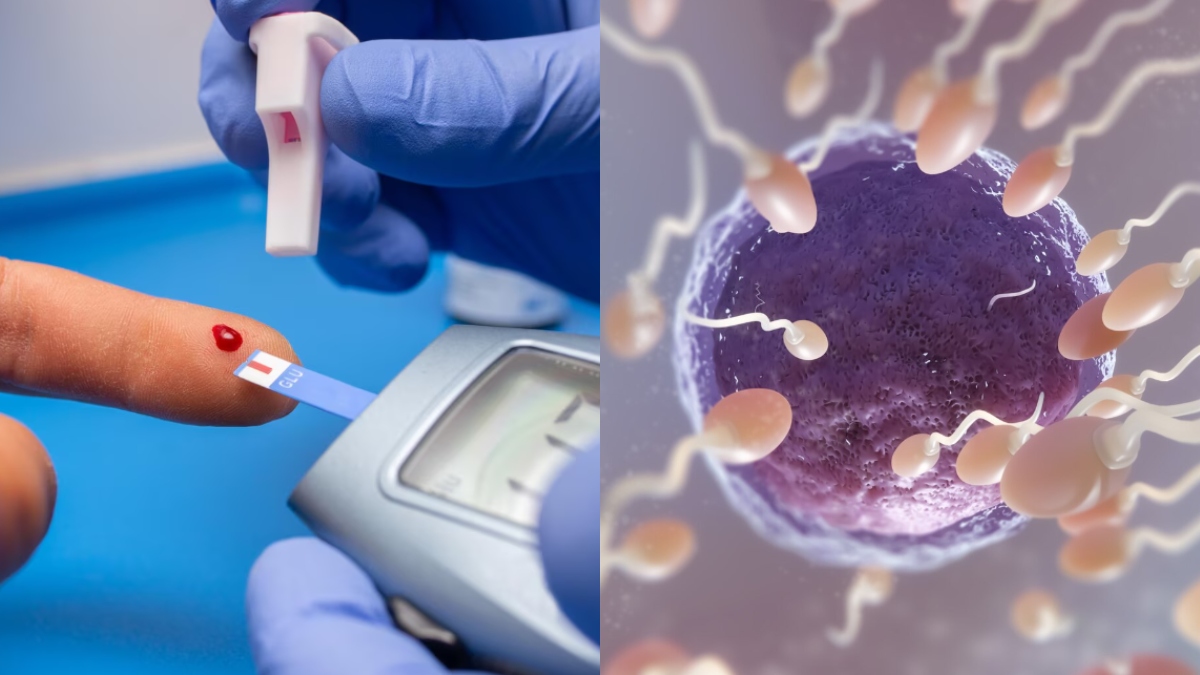
Diabetes and Fertility: Understanding the Connection
Diabetes is increasingly recognized as a significant health challenge in India, impacting various aspects of life, including fertility. As the prevalence of diabetes rises, both men and women are facing fertility issues that are often overlooked. Many couples may not be aware that diabetes can quietly erode their chances of conceiving.
For women, diabetes, especially type 2 diabetes (T2DM) and insulin resistance, can disrupt ovulation and hormone balance. Conditions like polycystic ovary syndrome (PCOS), which is linked to insulin resistance, can further complicate matters. Women with PCOS are at a higher risk for diabetes, creating a cycle that negatively affects both reproductive and metabolic health.
Studies indicate that nearly one-fifth of infertile women in India exhibit insulin resistance. This condition can lead to irregular menstrual cycles and poor egg quality, making conception challenging. Furthermore, chronic high blood sugar levels can trigger oxidative stress and inflammation, further compromising fertility.
Men are also affected by diabetes, which can lead to reduced sperm quality and motility. Research shows that diabetic men often experience negative correlations between their blood sugar levels and semen parameters. Additionally, complications like erectile dysfunction and retrograde ejaculation can further diminish the chances of conception.
Awareness about the link between diabetes and infertility is crucial. Many couples seeking help for fertility issues often overlook underlying metabolic conditions. The focus typically lies on structural or hormonal problems, while metabolic health remains neglected. Recognizing diabetes as a potential factor can empower couples to seek proper evaluation and treatment.
Despite the growing global awareness of these issues, Indian-specific research is still limited. However, it is evident that the rise in metabolic disorders in urban India is contributing to infertility challenges. With nearly one in five infertile women exhibiting insulin resistance, addressing this issue is vital.
In conclusion, diabetes is more than just a disease affecting the pancreas or other organs; it extends into the realm of fertility. Early recognition, screening both partners, and focusing on metabolic health can significantly enhance the chances of conception for couples longing for a baby.