
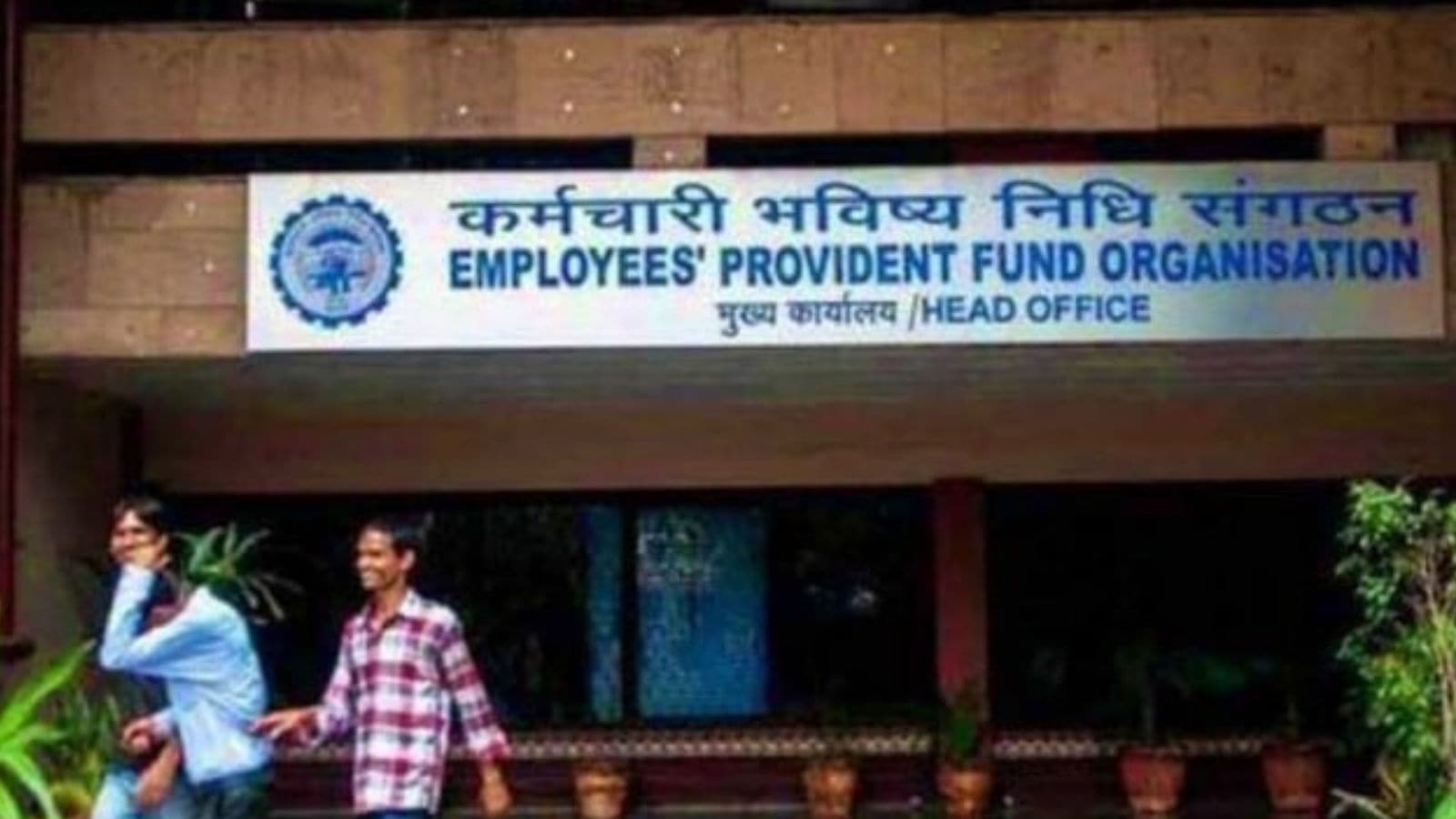
EPFO's New UAN Rules: Staffing Firms Voice Concerns
The Employees’ Provident Fund Organisation (EPFO) has introduced a new face authentication requirement for generating Universal Account Numbers (UANs), leading to significant concerns among staffing companies in India. This move, aimed at ensuring error-free UAN generation, has resulted in hurdles that could disrupt payroll processes and affect the hiring landscape.
The Indian Staffing Federation (ISF), which represents over 1.8 million contract workers across 135 companies, has raised alarms regarding the implementation of these new norms. A primary issue highlighted by the ISF is that many candidates have mobile numbers that are not linked to their Aadhaar cards. This creates complications in generating UANs that comply with the face authentication technology (FAT).
Additionally, candidates often find themselves unfamiliar with how FAT operates. Questions arise about the distance their faces should be from the app and the varying settings on different smartphone brands. These technical challenges can lead to confusion and delays, further complicating the process of generating UANs necessary for salary processing and provident fund contributions.
The ISF pointed out that the transient nature of the workforce makes it logistically challenging to coordinate face authentication for thousands of employees across multiple locations. Many employees lack access to smartphones or stable internet connectivity, making compliance even more difficult. As a result, delays in UAN generation can disrupt salary payments, particularly in micro, small, and medium enterprises (MSMEs) and high-turnover sectors.
In a letter to the EPFO chief, the ISF reported that over two days, members failed to enroll more than 1,000 candidates due to operational challenges linked to the UIDAI. Additionally, employers are restricted from generating UANs as per the existing process, adding to the difficulties faced by staffing companies.
The EPFO mandates that the allotment or generation of UANs be conducted through the Aadhaar-based FAT using the UMANG App. While this is intended to streamline the process, the ISF argues that this new requirement poses significant hurdles, especially for employers managing a large and dynamic workforce.
The ISF has called for a long-term resolution to these issues, emphasizing that the current restrictions could greatly impact the hiring process. They have suggested that the EPFO should allow employers to generate UANs for first-time employees and extend the compliance deadline for digital onboarding through FAT. Addressing these concerns is crucial for ensuring a smooth hiring process and timely salary disbursement across various sectors.







