
EU FTA: Auto Stocks Fall, Textiles Thrive
The recent Free Trade Agreement (FTA) between India and the European Union (EU) has created waves in the stock market, particularly affecting the automotive and textile sectors. On one hand, Indian automakers have faced a sharp decline in their stock prices following the announcement that European manufacturers will benefit from significantly reduced tariffs on car imports to India. Major companies like Maruti Suzuki and Mahindra & Mahindra saw their shares drop between 1% to 4% on Tuesday, raising concerns about the competition posed by cheaper European cars.
Mahindra & Mahindra, which specializes in SUVs, is particularly at risk, as the vehicles in this segment are priced near the minimum import price limit. Analysts predict a potential volume impact of 3–4% for Mahindra & Mahindra and about 1–2% for other smaller players in the SUV market. In contrast, the Nifty Auto index closed down by 0.9%, indicating a broader trend of bearish sentiment in the automotive sector.
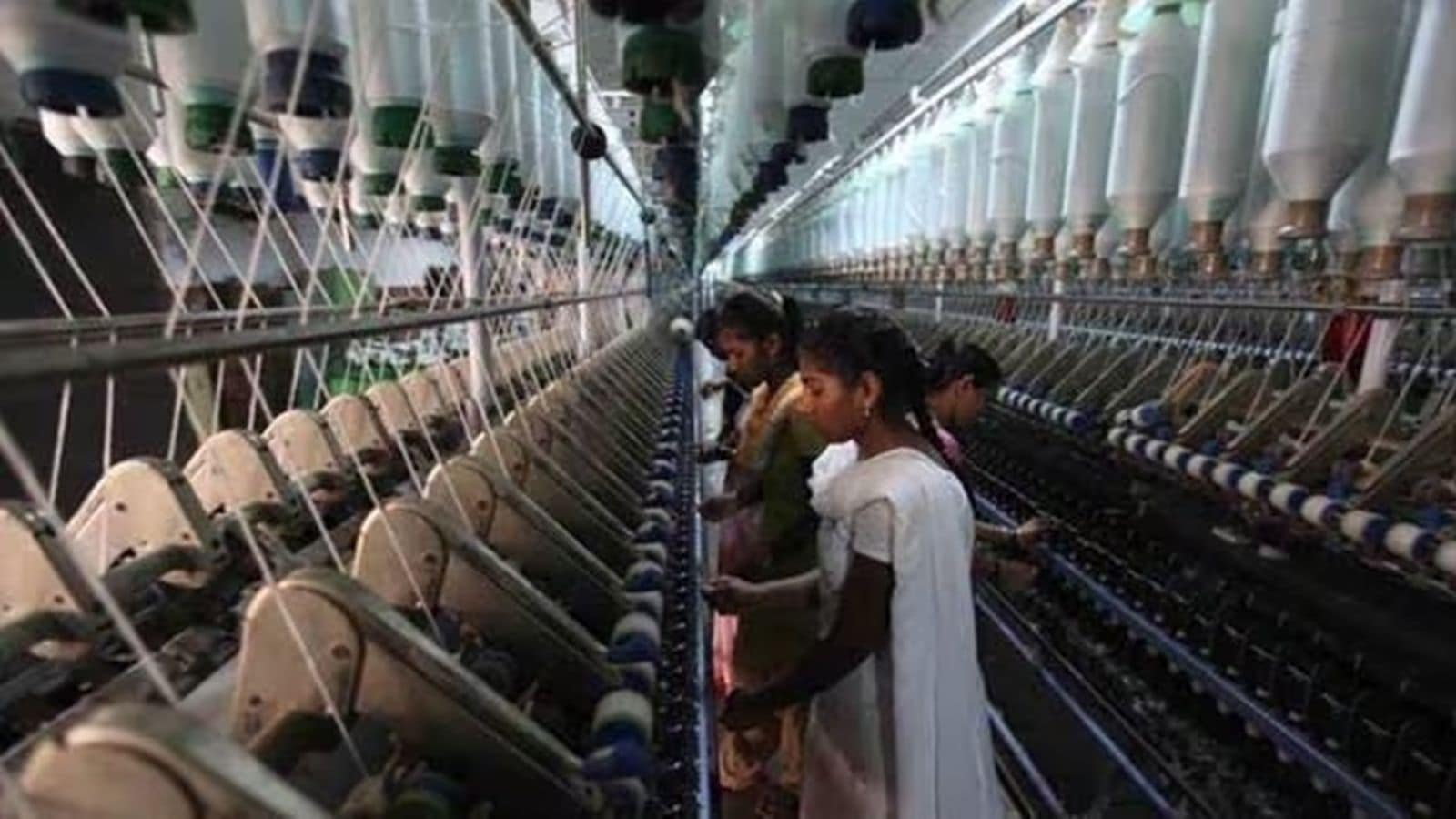
However, not all sectors are suffering. The FTA has been a boon for the textile industry, allowing Indian textiles to enter the European market with zero import duties, significantly reducing the previous tariff of 12%. This move has energized textile exporters, leading to share price increases of 2–6% for companies like Welspun Living and KPR Mills. With the EU being India's second-largest export destination for textiles, this agreement opens the door for greater market access and potential growth.
India's textiles ministry noted that gaining zero-duty access would tap into the EU's massive import market, valued at around Rs 22.9 lakh crore. The move is expected to enhance competitiveness for Indian garments in Europe, potentially leading to larger contracts and longer production runs.
In addition to textiles, the FTA has implications for other sectors such as pharmaceuticals and alcohol, where tariff reductions could impact domestic companies. While the auto industry braces for increased competition from European imports, the textile sector is poised for growth, offering an intriguing dynamic in the wake of this historic trade agreement.
As India navigates the complexities of the FTA, it faces both challenges and opportunities across various sectors, making it a critical juncture for the Indian economy.







