Future of Indian Transport: High-Speed Rail & More
In a significant leap toward modernizing India's transport infrastructure, Finance Minister Nirmala Sitharaman announced the development of seven high-speed rail corridors during her recent budget speech. These corridors are designed to act as “growth connectors” between major cities, enhancing connectivity and reducing travel times significantly. The proposed corridors include routes such as Mumbai-Pune, Pune-Hyderabad, and Chennai-Bengaluru, among others.
The initiative is set to transform the way people travel across the country. For instance, the travel time between Chennai and Bengaluru is expected to drop to just 1.13 hours, while the route from Mumbai to Pune will take only 48 minutes. Such reductions in travel time reflect a commitment to enhancing the efficiency of the transport sector, which is critical for economic growth.
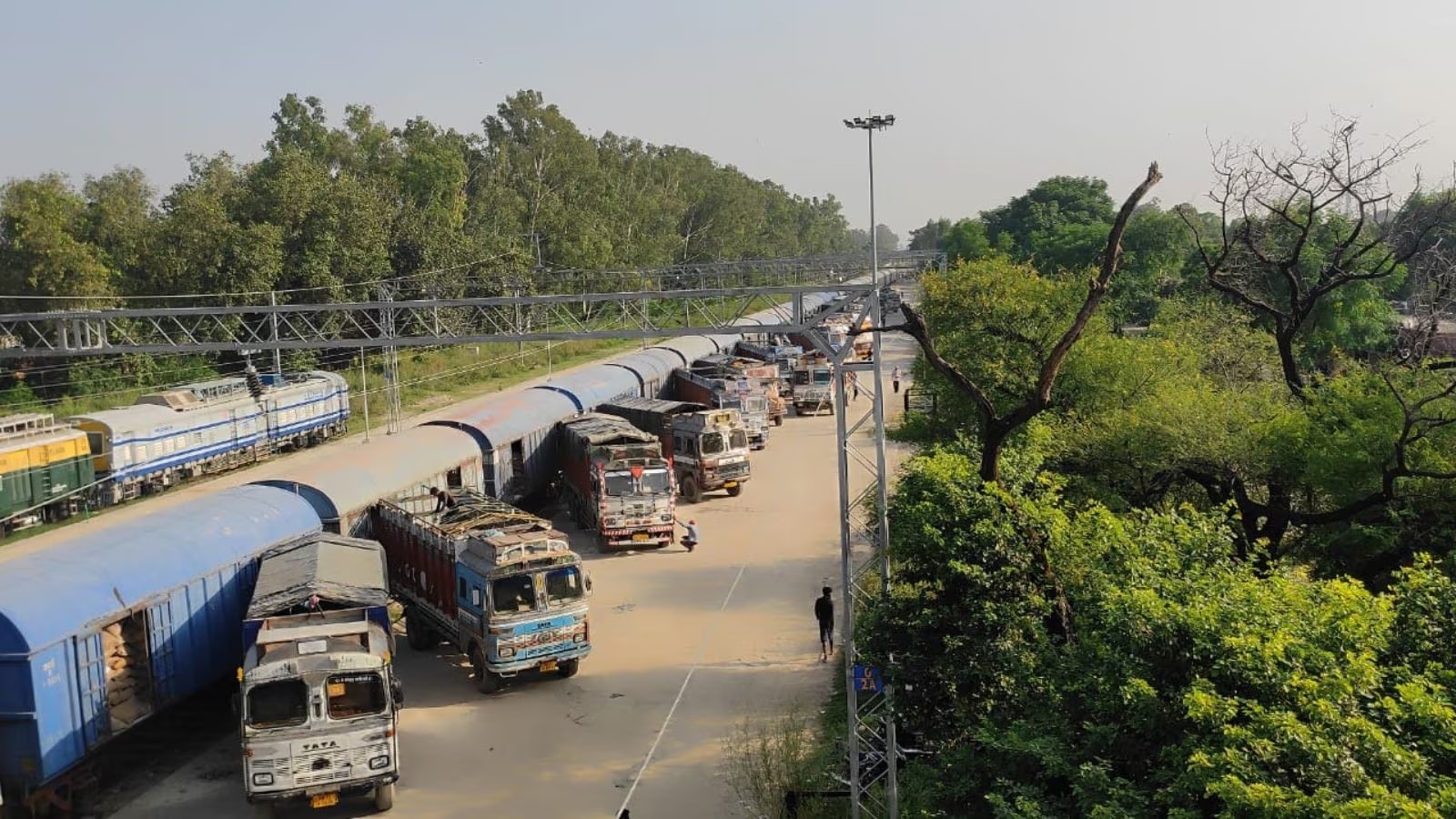
Alongside the high-speed rail corridors, the Finance Minister also announced a new dedicated freight corridor connecting Dankuni in West Bengal to Surat in Gujarat. This corridor aims to improve cargo evacuation efficiency and enhance port connectivity, thereby boosting trade and commerce.
Furthermore, the introduction of “rare earth corridors” in mineral-rich states is a strategic move to promote mining and processing activities. By supporting states like Odisha and Tamil Nadu, the government aims to reduce import dependence on critical minerals, which are vital for various industries.
Railways Minister Ashwini Vaishnaw highlighted that the estimated cost of these seven high-speed corridors is around Rs 16 lakh crore. This investment is expected to have a multiplier effect on the economy, similar to successful high-speed rail networks in countries like Japan and China.
The government is also focusing on sustainability and environmental considerations in these developments. The capital outlay for the Railways has been substantially increased, reflecting the government's commitment to modernizing the transport network while ensuring efficiency and sustainability.
Although these projects are ambitious and come with high costs and complexities, they represent a significant step forward in India’s infrastructural development. The first stretch of the bullet train project between Mumbai and Ahmedabad is also progressing, with plans for it to be operational by 2027.
Overall, the announcement of high-speed rail corridors, freight initiatives, and rare earth mining routes shows India’s determination to enhance its infrastructure, promote economic growth, and create a more connected nation.