India Seeks EU Steel Scrap Access Amid Carbon Tax Challenge
India is actively seeking easier access to steel scrap from the European Union (EU) to counter the effects of the new carbon tax that came into effect on January 1. This tax, known as the Carbon Border Adjustment Mechanism (CBAM), has raised concerns among Indian manufacturers. They argue that the tax acts as a non-tariff barrier, limiting their ability to export metals to the EU while also restricting scrap exports from the EU to other countries.
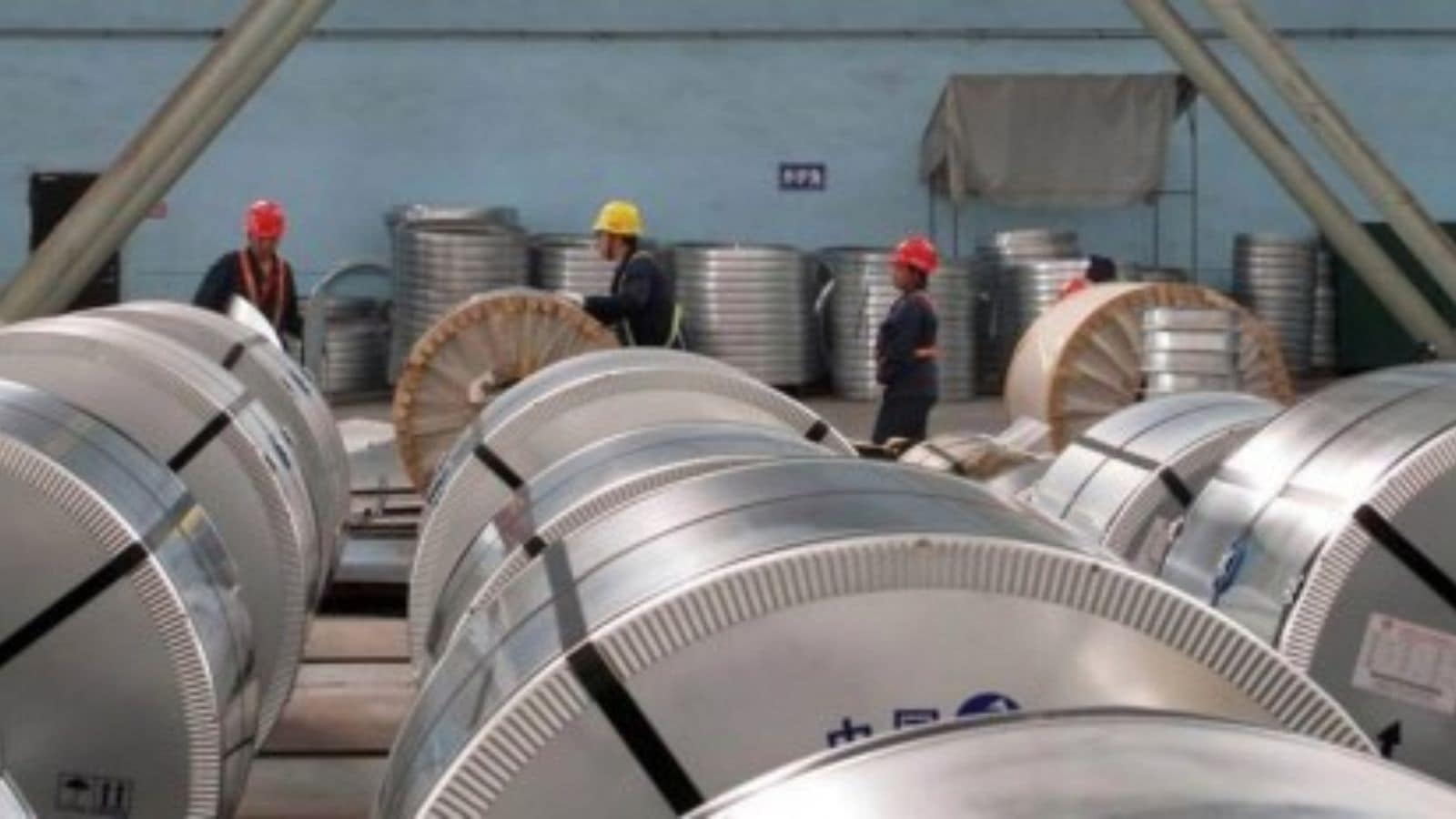
The EU is the largest producer of steel scrap, a vital component for low-carbon steel production. Indian manufacturers typically rely on traditional methods like the blast furnace route, which leads to higher carbon emissions. With the introduction of CBAM, there is a pressing need for Indian manufacturers to transition towards more sustainable practices, such as using electric arc furnaces that require scrap as a primary input.
During a recent Board of Trade meeting, the Engineering Export Promotion Council (EEPC) highlighted the challenges posed by the EU’s recycling policies, which make sourcing scrap from the EU difficult. These barriers hinder India's efforts to adapt to new technologies necessary for compliance with the CBAM.
In response to these challenges, the Indian government is promoting a "green steel initiative," aiming to increase the share of scrap in steel production to 50% by 2047. This transition is crucial as using scrap can significantly reduce carbon emissions and energy consumption compared to traditional methods. Currently, however, scrap constitutes only 20% of India's steelmaking feedstock, constrained by limited domestic availability.
As global demand for steel scrap rises, India faces increasing import dependency. Official data indicates that India's ferrous scrap imports have more than doubled since 2013. Experts predict that EU scrap exports could decline by 25% by 2030, adding to India's vulnerability in securing necessary resources for steel production.
Moreover, many developed countries, which are major sources of scrap for India, are now imposing export restrictions to meet their own decarbonization goals. This shift in policy could tighten the availability of scrap in the global market, making it imperative for India to secure easier access to EU scrap.
In conclusion, as India seeks to navigate the complexities of international trade and environmental regulations, securing access to steel scrap from the EU will be vital for the nation's steel industry to thrive sustainably. The road ahead is challenging, but with strategic negotiations and a focus on green technology, India can make significant strides towards a more sustainable steel production future.