
Indian Tankers Secure Safe Passage Amid Tensions
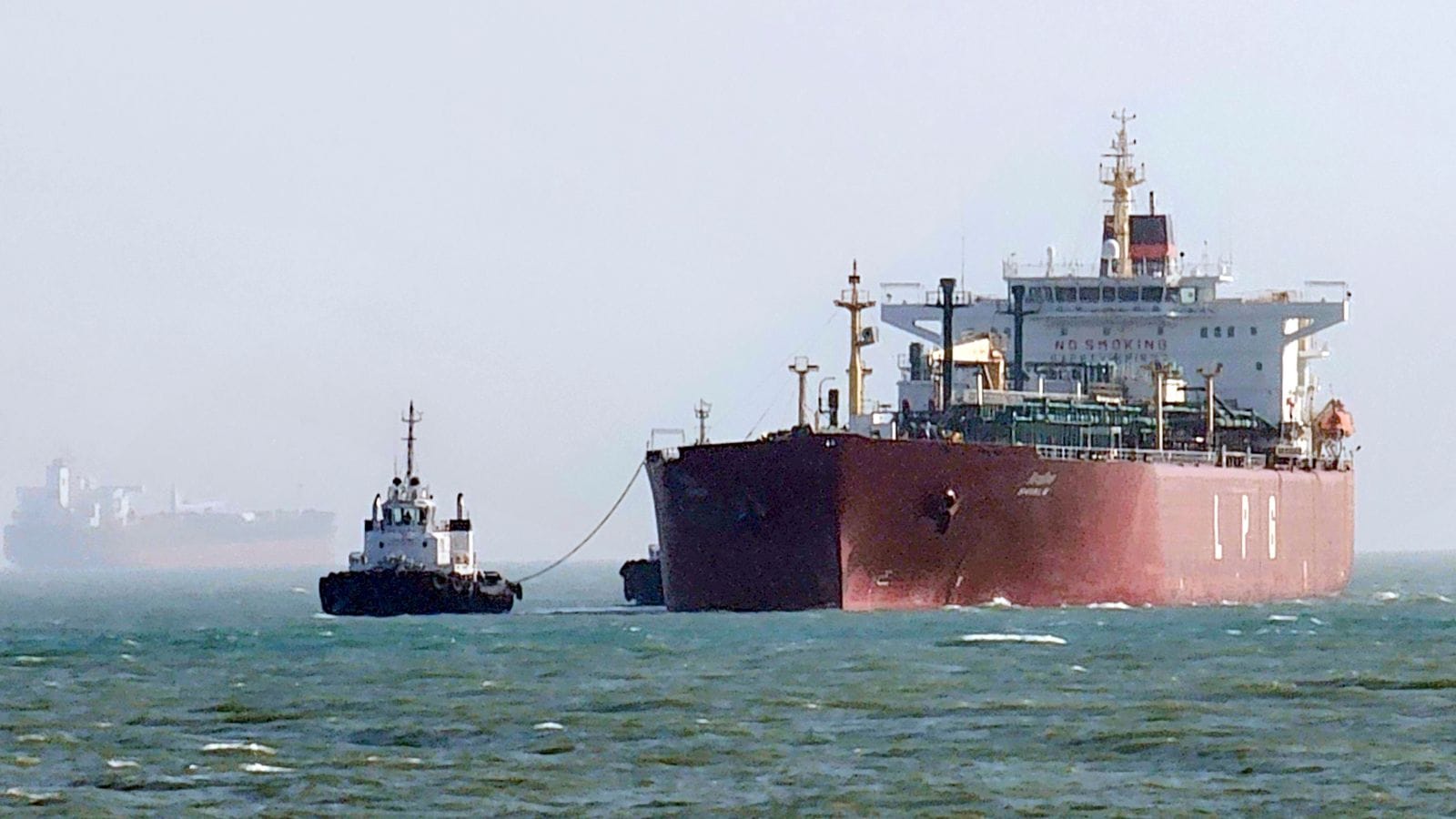
India is making significant diplomatic efforts to ensure the safe passage of its vessels in the Persian Gulf as tensions continue to rise in the region. Recently, an Indian LPG tanker arrived at the Mundra port in Gujarat after successfully navigating the Strait of Hormuz. This is a crucial development as the country heavily relies on energy imports from West Asia.
Currently, there are 22 Indian-flagged vessels with a total of 611 Indian seafarers in the Persian Gulf. Most of these vessels are engaged in transporting oil and gas, highlighting the importance of their safe transit. The government is prioritizing the evacuation of these vessels from what has become a warzone.
In response to the ongoing situation, the Indian government has not engaged in discussions with the U.S. regarding the deployment of warships in the region, despite U.S. President Donald Trump’s suggestions. According to Ministry of External Affairs spokesperson Randhir Jaiswal, India is aware of the discussions among various countries but has not had any bilateral talks on the issue.
Jaiswal clarified that India has not made any agreements with Iran for the safe passage of its vessels. He emphasized that the historical relationship between India and Iran has allowed for smooth engagement without the need for exchanges or deals. This approach underscores India's commitment to maintaining its diplomatic relationships while ensuring the safety of its maritime operations.
Two more Indian tankers are expected to arrive soon. The LPG tanker Nanda Devi, like Shivalik, is laden with over 46,000 tonnes of LPG. Another tanker, Jag Laadki, managed to avoid the Strait of Hormuz and is heading to India after loading crude oil at Fujairah port. This careful navigation demonstrates India's strategic planning to secure its energy supplies.
Energy security is paramount for India, as a significant portion of its crude oil and natural gas imports transit through the Strait of Hormuz. Recent statistics reveal that approximately 2.5-2.7 million barrels per day of crude imports pass through this critical route. The situation emphasizes the need for India to maintain open and safe shipping lanes to ensure the continuity of its energy supplies.
In conclusion, India is actively pursuing diplomatic channels to ensure the safety of its vessels in the Persian Gulf amidst geopolitical tensions. The government’s proactive measures reflect its commitment to safeguarding its energy security while navigating complex international relations.







