
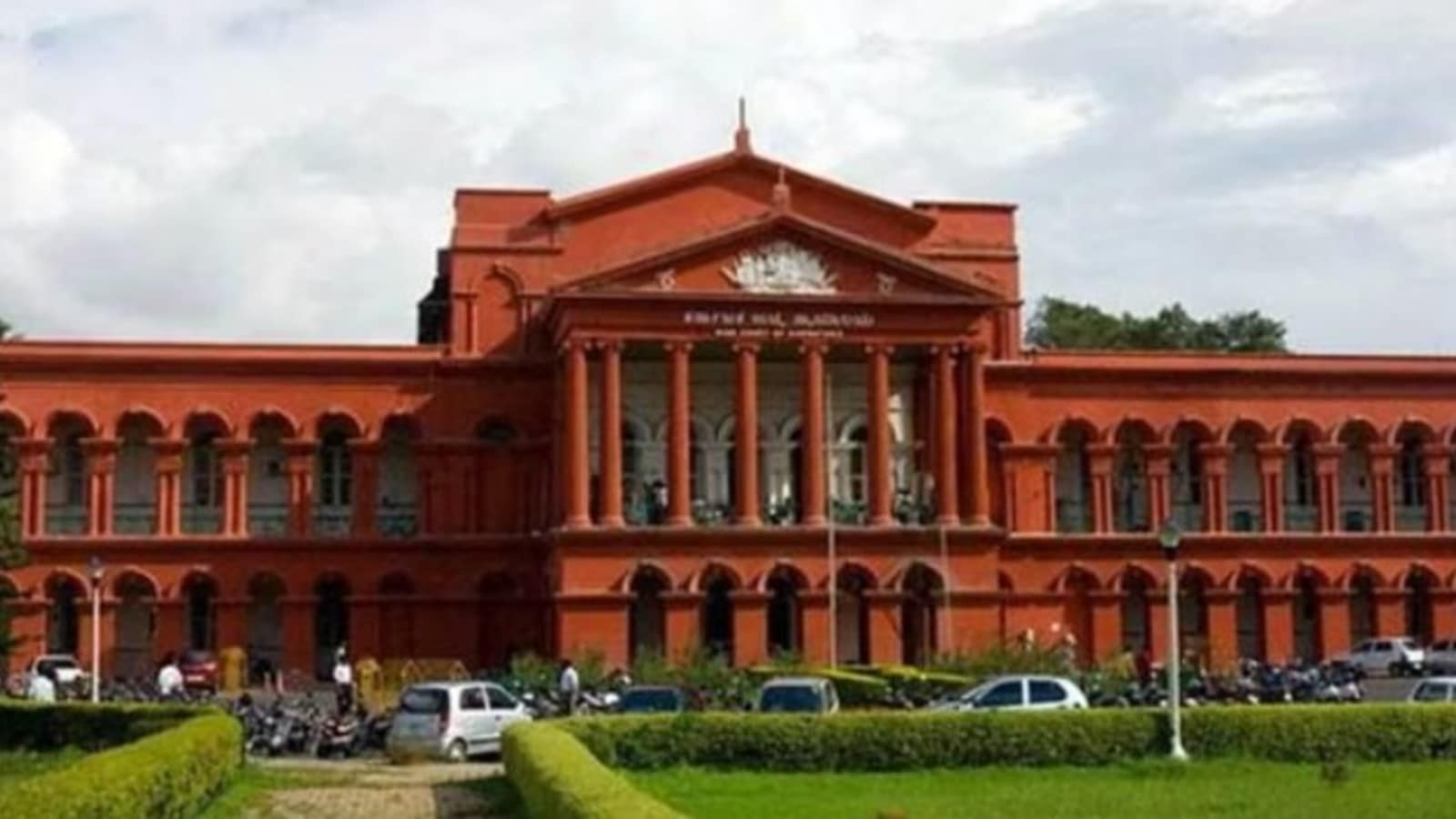
Karnataka HC Supports State's Power to Direct Electricity Supply
The Karnataka High Court has recently made a significant ruling regarding the state's power to manage electricity supply. The court affirmed that the state can direct power generators to supply electricity to the grid during extraordinary circumstances, as defined by the Electricity Act. This decision arose during the state's appeal against a previous judgment that favored private companies challenging a government directive regarding electricity tariffs.
On December 19, Justices Anu Sivaraman and Rajesh Rai heard the case, which revolved around the government’s order mandating private power producers to supply electricity at a fixed tariff of Rs 4.86 per unit. This directive was issued in response to acute hydroelectric shortages in 2023, which had raised concerns about energy availability in Karnataka.
Advocate-General Shashikiran Shetty represented the state, arguing that the government order was justified under section 11 of the Electricity Act. This section allows “appropriate Government” to issue directions to electricity generators in extraordinary situations. The state highlighted that factors such as failed monsoons and depleted reservoirs constitute such extraordinary circumstances.
However, the opposing counsel contended that since electricity sales span multiple states, the Centre should be considered the “appropriate Government.” They argued that a mere shortage of electricity does not qualify as an extraordinary circumstance. The High Court, however, disagreed with this interpretation.
The bench emphasized that the term “appropriate government” should be understood contextually. They stated that in cases of state-specific extraordinary circumstances, it is logical to interpret it as the State Government. This interpretation is pivotal, especially during times of crisis when public welfare is at stake.
In their ruling, the court acknowledged the severity of the situation, citing the recorded peak demand of 16,950 Mega Watts and energy consumption of 294 Mega Units in August 2023, attributed to a deficit caused by the failed monsoon. The court recognized the government’s decision as a necessary and protective measure, prioritizing the state’s interests during a critical period.
This ruling by the Karnataka High Court underscores the importance of state intervention in energy management, particularly in times of natural calamity. It highlights the delicate balance between private interests and public welfare, ensuring that the state can take necessary actions to secure energy supply for its citizens.







