
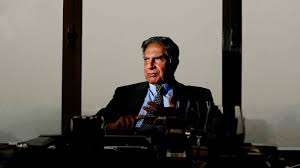
Ratan Tata: The Quiet Titan of Indian Business
Ratan Tata, who would have celebrated his 88th birthday today, is a figure whose influence on Indian business remains profound. Known for his quiet demeanor and unwavering resolve, Tata transformed the Tata Group while adhering to its foundational values of trust, nation-building, and compassion. His leadership style stood in stark contrast to the flamboyant business tycoons of his time, making him a beloved figure in the corporate world.
Under Tata's stewardship, the Tata Group underwent significant globalization in the early 2000s. He led the charge with strategic acquisitions, including the purchase of Tetley by Tata Tea, and later, the acquisition of Corus by Tata Steel and Jaguar Land Rover by Tata Motors. These ventures not only expanded the group’s footprint but also showcased India's capabilities on the global stage, highlighting Tata's vision to elevate Indian businesses.
Despite facing challenges, such as the difficulties with the Corus acquisition, Tata Motors successfully integrated JLR and turned it profitable. His innovative instincts led to the launch of the Tata Nano, aimed at making car ownership accessible to the masses. While the Nano was criticized as a marketing blunder, Tata remained proud of the project's vision, representing a bold attempt to innovate in the automotive sector.
Ratan Tata’s personal life also reflects his unique character. Choosing to remain a bachelor, he often pondered the implications of his family dynamics on his decision. His upbringing, marked by struggles in school and a lack of close friends, shaped his compassionate nature. Despite this, he maintained a playful spirit, often pulling pranks on colleagues, proving that he was not just a serious businessman but also someone with a light-hearted side.
His love for animals, particularly dogs, was evident in his efforts to provide for strays at the Tata headquarters. This kindness extended beyond pets to his employees, as he created a workplace culture rooted in empathy and support. Tata’s response during the 26/11 terror attacks, where he stood by the Taj Mahal Hotel, illustrated his deep emotional connection to his community and commitment to the nation.
Ratan Tata’s legacy is not just measured in financial success but in the ethical framework he established for Indian businesses. His belief in talent over tradition when searching for a successor underscored his forward-thinking approach. Today, Tata’s influence continues to inspire future leaders, reminding them that business can thrive while remaining grounded in strong ethical values.







