Risks of Cancer in Sperm Donation Explained
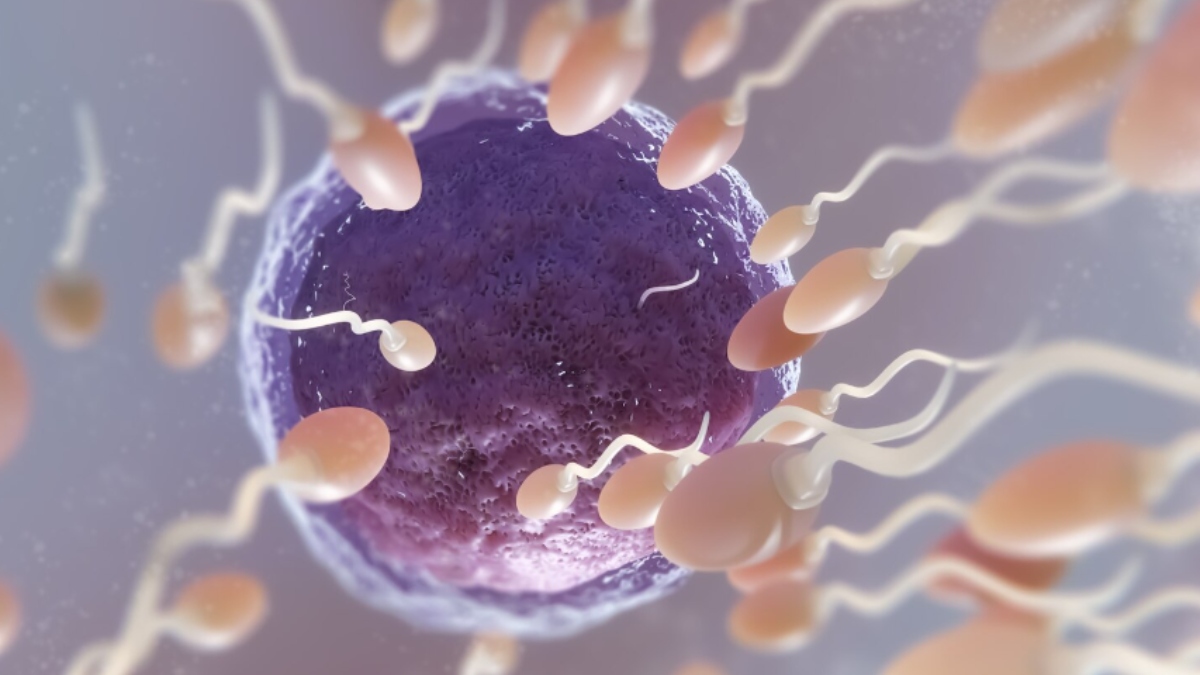
A recent investigation has revealed a concerning case involving a sperm donor in Europe who unknowingly carried a mutation linked to cancer. This donor has fathered approximately 197 children, many of whom may face serious health risks due to this genetic abnormality. The mutation affects the TP53 gene, responsible for preventing cells from becoming cancerous. As a result, children conceived from this donor's sperm may inherit faulty DNA, increasing their risk of developing cancer later in life.
Dr. Gaurav Jaswal, a Consultant Radiation Oncologist at the TGH Onco Life Cancer Centre, explains how genetic inheritance works. Each child inherits one copy of a gene from the father and one from the mother. If the sperm carries a mutation in a protective gene like TP53, the child may inherit this mutation, potentially leading to an increased risk of cancer. However, not all sperm from this donor may carry the mutation, making genetic testing crucial for understanding the risk.
Even for those children who inherit the mutation, factors such as lifestyle and environmental influences can further affect their health outcomes. Dr. Jaswal warns that while inheriting the mutation does not guarantee cancer will manifest, the fear and uncertainty can weigh heavily on these children and their families.
If a child develops cancer due to this genetic mutation, they may experience a significantly reduced quality of life, particularly if timely medical intervention is not provided. Therefore, regular health monitoring and genetic testing are essential for those at risk, allowing families to make informed decisions about their health and well-being.
This case underscores the importance of thorough screening and ethical considerations in sperm donation. As advances in genetic testing continue, prospective parents can better understand the implications of their choices, ensuring the best possible outcomes for their children.
Ultimately, this issue highlights the need for raising awareness about the potential risks associated with sperm donation, as well as the role of genetic counseling in guiding families through these challenging decisions.