Rohtang Pass Traffic Jam Sparks Overtourism eDbate
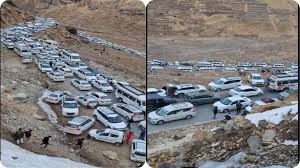
A recent viral video showcasing an immense traffic jam at Rohtang Pass has sparked a lively debate about the issue of 'overtourism' in India's mountainous regions. As the air quality in Delhi plummets, many residents are seeking a quick getaway to the hills, despite the fact that there is no snowfall or peak holiday season. This influx of tourists has raised significant concerns regarding the environmental impact and the management of crowds in ecologically sensitive areas like Rohtang.
The video, posted on social media by user Nikhil Saini, displays a long line of vehicles struggling to move on the narrow mountain road. The perplexity surrounding the situation is palpable, with many people questioning why such a rush is happening at a time when the weather is not conducive for a trip to the mountains. Social media reactions reveal a mix of amusement and frustration, as users comment on the irony of such a jam occurring in a place known for its natural beauty.
In the days leading up to this traffic chaos, Delhi's Air Quality Index (AQI) had reached alarming levels, registering at 380, well into the 'very poor' category. Thick smog has made breathing difficult for residents, prompting them to seek refuge in the mountains. However, the unexpected surge in visitors to Rohtang Pass has highlighted the challenges of managing tourist influx in an already fragile ecosystem.
The commentary from social media users indicates a growing awareness of the consequences of unregulated tourism. Some blame the trend on viral travel content and influencer promotions that encourage impulsive trips to scenic locations. Others have expressed concern over the lack of proper planning and crowd control measures at popular tourist spots, which could lead to environmental degradation and safety risks.
As one user aptly pointed out, “The mountains look less like a mountain pass, more like a road in Gurgaon full of dirt.” This humorous observation underscores a serious issue: the need for effective regulations to manage visitor flow, protect the natural environment, and ensure safety in such sensitive high-altitude areas.
In light of these developments, experts advocate for the implementation of policies aimed at mitigating the impact of overtourism. By establishing controlled access and promoting sustainable tourism practices, authorities can help preserve the ecological integrity of areas like Rohtang Pass while allowing visitors to enjoy the beauty of the mountains without causing harm.