Supreme Court Rules on 2020 Delhi Riots Bail Pleas
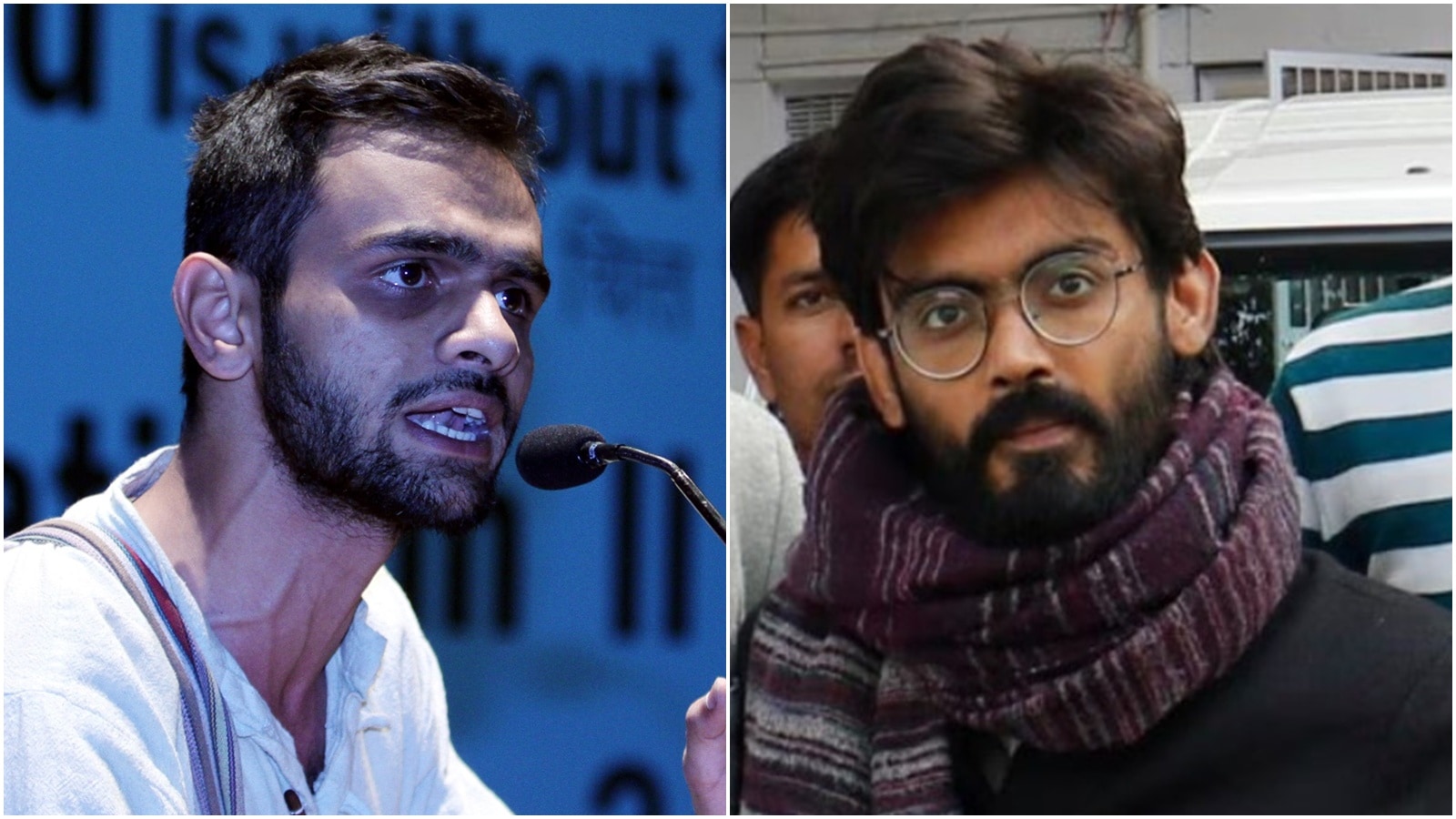
The Supreme Court of India is poised to deliver its verdict on the bail pleas of several student activists accused in connection with the 2020 Northeast Delhi riots. This case has drawn significant attention as these individuals, including Umar Khalid and Sharjeel Imam, have been incarcerated for over five years without a trial. The core issue revolves around whether such prolonged detention without a trial constitutes a "pre-trial conviction."
The bench, comprising Justices Aravind Kumar and N V Anjaria, has reserved its judgment after hearings that began on October 31. The activists' defense argues that their continued imprisonment without trial is a violation of their rights, while the prosecution claims that their actions were part of a larger conspiracy aimed at destabilizing the nation.
During the proceedings, the defense emphasized the absence of direct evidence linking the accused to any violent activities. Senior Advocate Kapil Sibal, representing Khalid, pointed out that he was not even in Delhi when the riots occurred and argued that his call for peaceful protests was consistent with democratic ideals. Sibal asserted that tactics like "chakka jams" are legitimate forms of dissent and do not amount to terrorism.
Conversely, the prosecution maintains that the riots were not spontaneous but a premeditated effort to orchestrate a regime change in India. They argue that such actions threaten the country's unity and integrity, invoking the stringent provisions of the Unlawful Activities (Prevention) Act (UAPA). Solicitor General Tushar Mehta has labeled the accused as "anti-nationals," claiming that their educated backgrounds make them more dangerous than typical criminals.
The implications of this case extend beyond individual fates, raising fundamental questions about the integrity of the criminal justice system in India. The defense has pointed out that co-accused in similar cases have already been granted bail, highlighting disparities in judicial treatment. This situation calls for a critical examination of how justice is administered and the rights of individuals within the legal framework.
As the Supreme Court prepares to make its decision, the outcome will not only affect the accused but also set a precedent regarding the treatment of activists and dissenters in India. It underscores the necessity for a fair trial and the protection of civil liberties, especially in politically charged cases. The verdict will be a pivotal moment for the justice system and the future of democratic expressions in the country.