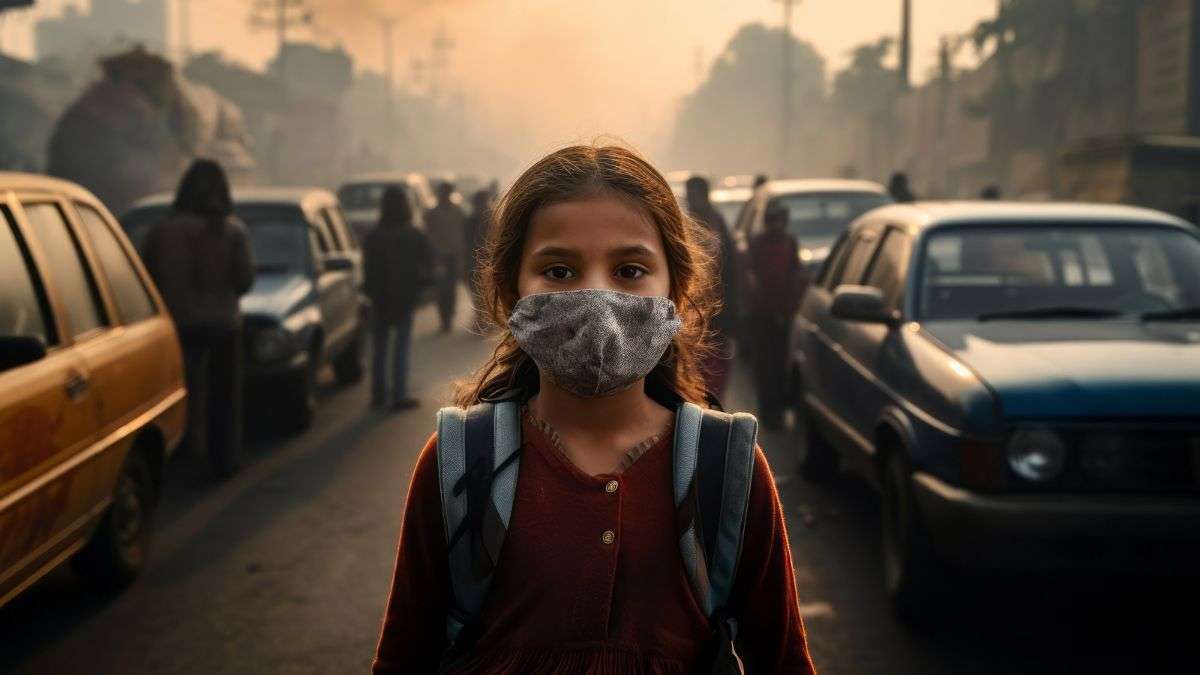
The Hidden Dangers of Air Pollution for Children
Air pollution is often seen as a mere nuisance, but its impact on children is profound and lasting. In India, where air quality can frequently reach hazardous levels, this issue is particularly pressing. Early exposure to polluted air, even during pregnancy, can have dire consequences for children's health, leading to conditions like asthma, learning difficulties, and weakened immunity.
Doctors such as Dr. Pradeep Suryawanshi from Pune and Dr. Jai Mullerpattan from Mumbai emphasize that children are biologically more vulnerable to pollution than adults. They breathe faster and take in more air per kilogram of body weight, which makes them more susceptible to harmful pollutants like PM2.5 and nitrogen dioxide. These pollutants can cause significant disruptions to the developing lungs and brain.
Moreover, pollution exposure doesn’t just start after birth. During pregnancy, pollution can affect the placenta, potentially leading to preterm births and low birth weight. This early vulnerability can set the stage for health issues that may persist throughout childhood and beyond.
The lungs continue to develop rapidly during early childhood. If a child breathes polluted air, it can impair lung function and capacity, increasing the risk of respiratory infections and other health issues. Signs of early exposure may include frequent coughing and chest infections, which can affect a child’s ability to engage in physical activities and lead to long-term health consequences.
Beyond respiratory issues, air pollution can also impair cognitive development. Children exposed to high levels of pollution might face challenges like reduced IQ, poor academic performance, and attention deficits. This can lead to a cycle of health issues that can affect their quality of life and future opportunities.
Addressing air pollution requires a multi-faceted approach. Dr. Mullerpattan stresses the need for science-backed clean air policies and regular monitoring of air quality. Communities can play a vital role by creating green spaces and ensuring that schools and playgrounds are located away from high-pollution areas. Families can also take steps to reduce exposure by minimizing time spent in polluted areas and using cleaner fuels indoors.
In conclusion, protecting children from air pollution is crucial for their health and development. It requires collective action from individuals, communities, and policymakers to create a cleaner, healthier environment for future generations.