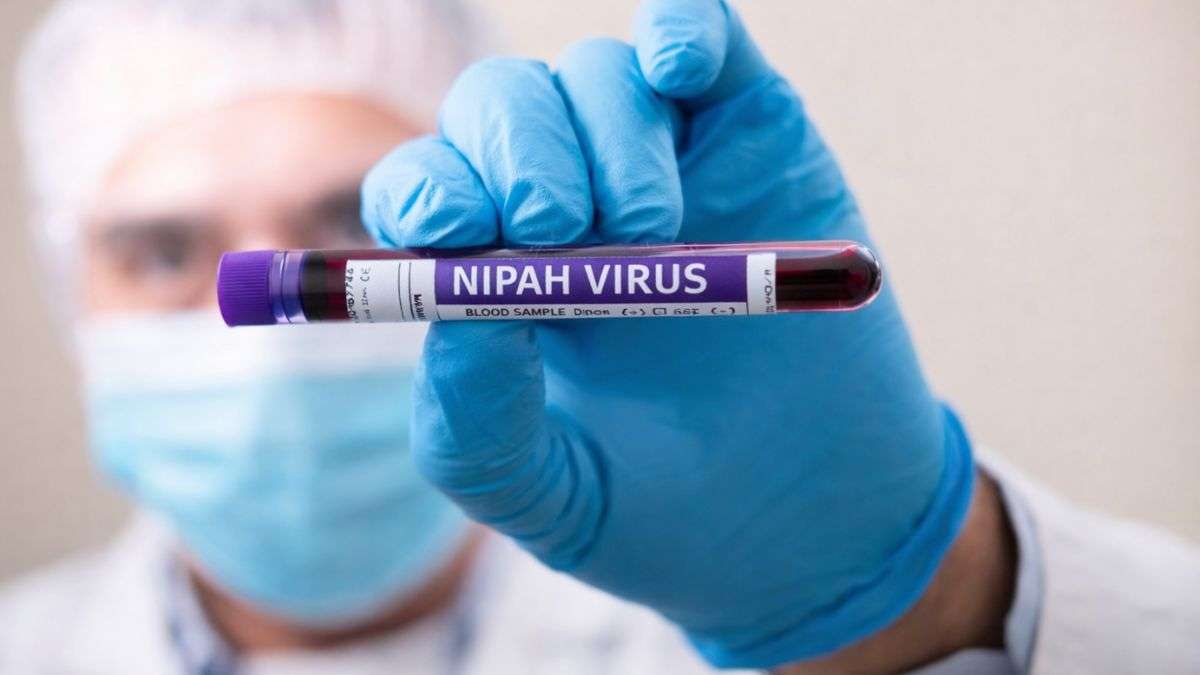
Understanding the Nipah Virus: A Growing Concern
Nipah virus is a rare but extremely dangerous infection that poses a significant threat to public health. Unlike common viral illnesses such as the flu or dengue, Nipah can escalate rapidly, leaving little time for effective intervention. Health experts emphasize that understanding the unique characteristics of Nipah is crucial for timely diagnosis and management.
One of the most alarming aspects of the Nipah virus is its high mortality rate, which ranges between 40 to 75 percent. This is significantly higher than most routine viral infections. Dr. Dip Narayan Mukherjee, a consultant in microbiology and infectious diseases, highlights how Nipah can deteriorate the condition of even young and otherwise healthy individuals quickly. Early suspicion and recognition of symptoms are vital in preventing severe outcomes.
The Nipah virus prefers the brain, causing encephalitis, which is an inflammation of the brain tissue. Patients may experience confusion, seizures, altered consciousness, or even slip into a coma. This neurological involvement makes Nipah particularly unpredictable and dangerous, as outcomes can change rapidly once the brain is affected.
In its initial stages, Nipah virus often mimics common viral illnesses, with symptoms such as fever, headache, sore throat, and muscle pain. This similarity can lead to delays in seeking medical care, which can allow the disease to progress to a more severe stage. It's crucial for individuals to be aware of these symptoms and act quickly.
Nipah virus is also notable for its ability to spread easily between humans, particularly through close contact with infected bodily fluids. This poses a significant risk in healthcare settings, making strict infection control measures essential. Isolation and protective practices should be implemented as soon as Nipah is suspected.
Currently, there are no approved antiviral treatments or widely available vaccines for Nipah virus. Management is largely supportive, focusing on maintaining oxygen levels, controlling seizures, and managing complications. This lack of treatment options makes prevention and early detection our strongest tools against Nipah.
Moreover, Nipah is a zoonotic infection, with fruit bats being the natural carriers. The virus can be transmitted to humans through contaminated food or direct contact with animals. This animal-to-human spillover presents a unique public health challenge that complicates efforts to control the virus.
While Nipah outbreaks are usually localized, their impact can be profound. The combination of high mortality, neurological involvement, lack of treatment, and human-to-human transmission necessitates a heightened level of caution. Recognizing the signs early, reporting symptoms promptly, and following isolation protocols can save lives. Awareness and education about Nipah virus can make all the difference in preventing its spread and managing outbreaks effectively.