
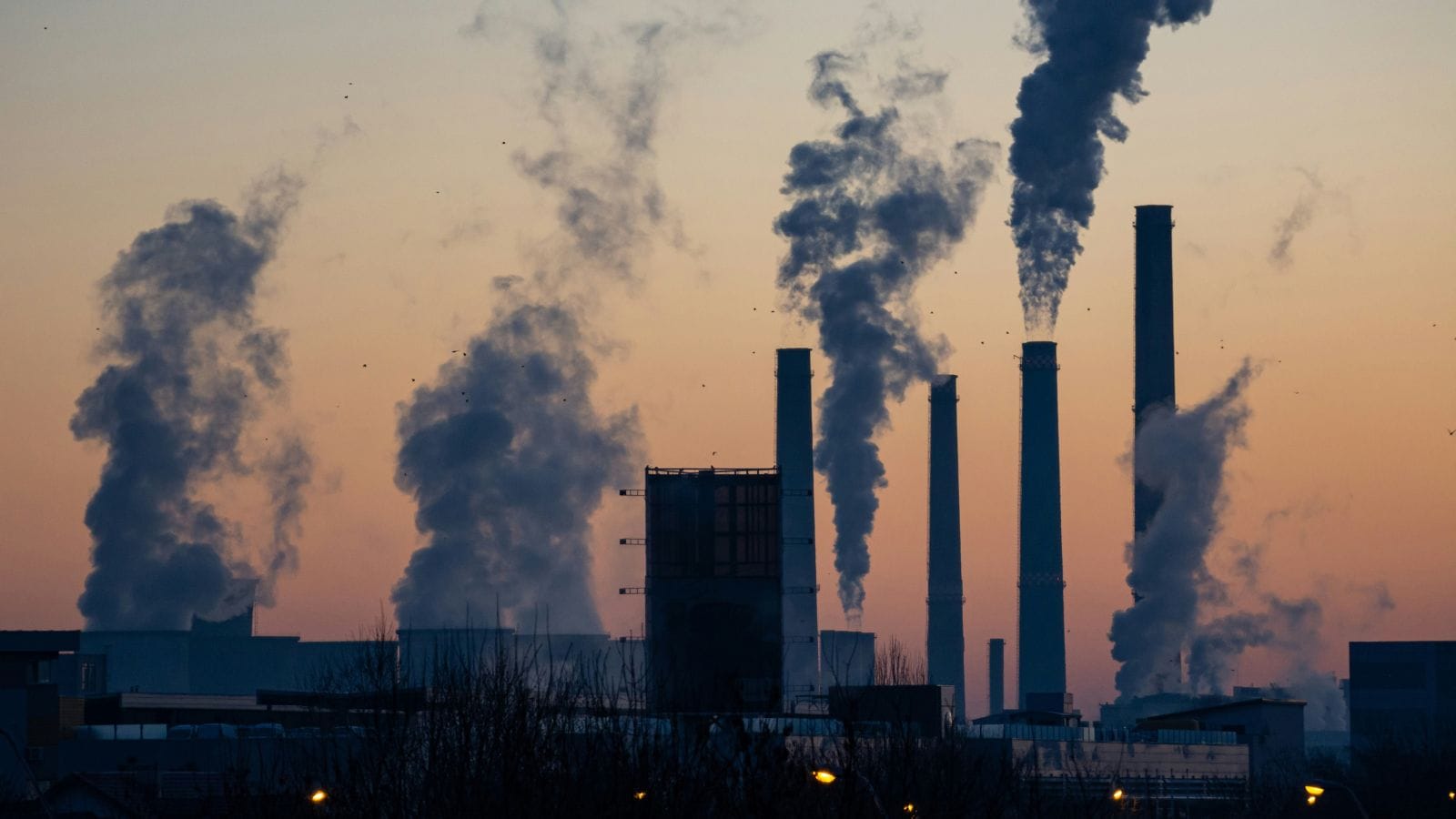
Young Punekars Demand Action Against Pollution
In Pune, a growing community of young residents is increasingly alarmed by the rising pollution levels in their city. This issue has become a daily reality for them, impacting their health, lifestyle, and overall well-being. Many are calling for immediate action, stricter implementation of environmental laws, and greater public awareness to prevent the city from becoming unlivable.
Dnyanada Sagare, a 22-year-old journalism student, shared her personal struggle with pollution, stating, “Air pollution has a grave impact on people as well as the environment.” She suffers from rhinitis and has to take extra precautions like wearing a mask outdoors. She identified the rapid construction, shrinking green cover, and lack of policy enforcement as major contributors to worsening air quality. She believes that individual efforts, such as using public transport and volunteering with NGOs, alongside stronger government action, can help reduce pollution levels.
For students transitioning from rural areas, the effects of pollution are even more pronounced. Yogeshwari Nagile, a 20-year-old sociology student from Nanded, expressed her shock at the pollution in Pune. She said, “Before coming to Pune, I didn’t really understand what pollution meant. Soon after shifting, I started facing difficulties in breathing.” She described the polluted rivers and garbage-laden streets as alarming, warning that if the situation continues, cities may become unlivable, forcing people to migrate back to villages.
Some students have pointed out that pollution extends beyond air quality, impacting water and land as well. Eden Barnabas, a 22-year-old law student, stated, “The lack of strict environmental law enforcement is a major concern.” He emphasized that urgent action is necessary to avoid severe ecological consequences for cities like Pune.
Harshali Karnik, an 18-year-old economics student, stressed the importance of early education on pollution. She believes schools and colleges should discuss pollution beyond textbooks. Public awareness campaigns are essential to demonstrate the significance of small individual changes, as addressing pollution is crucial before it escalates into a personal crisis.
Many students view pollution as a threat to life expectancy. Parisa Visal, a 21-year-old aspiring Company Secretary, said, “The air we breathe is no longer pure, and it directly affects our health.” She highlighted the alarming rates of heart diseases linked to rising pollution levels. With water pollution worsening, clean water is becoming scarce, making pollution reduction an urgent necessity.
Lastly, Shreya Kumar, a 25-year-old English literature student, pointed out that the effects of pollution are not immediately visible but build up over time. With many expressing concerns about having children due to air quality, she argues that proactive steps by the government are essential for visible changes in the coming years.







