होर्मुज जलडमरूमध्य संकट: भारतीय जहाजों पर हमले के बाद भारत ने ईरानी दूत को तलब किया
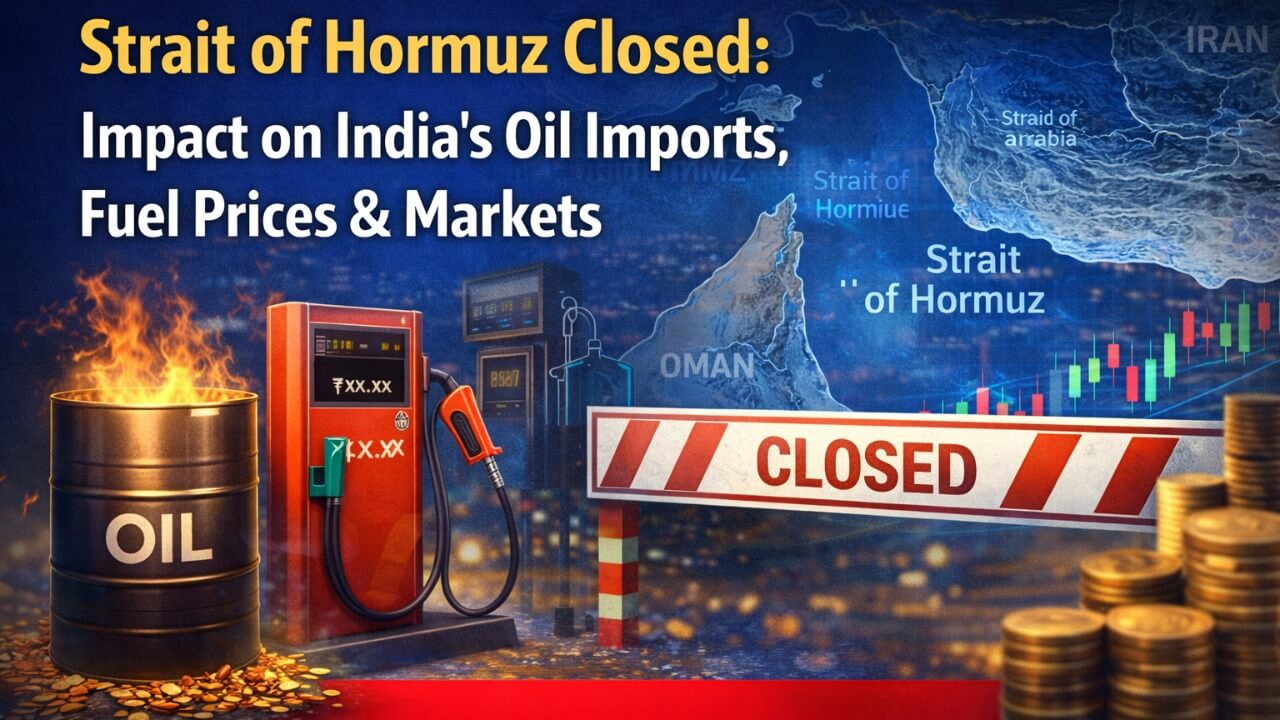
The Strait of Hormuz crisis, which began escalating in early April 2026, reached a critical juncture when Iran's Revolutionary Guard navy declared the strait closed to all commercial shipping until the US naval blockade was lifted. This announcement sent shockwaves through global energy and financial markets.
For India, the crisis carried severe economic implications. India imports over 85% of its crude oil needs, and a significant portion of these imports transits through the Strait of Hormuz. The closure threatened to disrupt India's energy supply chains significantly, pushing Brent crude prices above $100 per barrel.
The situation became a diplomatic incident when Iranian forces reportedly fired on Indian commercial vessels operating in the region. In response, the Indian government formally summoned the Iranian envoy to register its strong protest and seek assurances for the safety of Indian shipping and personnel.
The economic fallout was immediate. Brent crude crossing $100 per barrel added substantial pressure to India's import bill, threatening to widen the current account deficit (CAD). Higher crude prices also feed directly into domestic fuel prices — petrol, diesel, and LPG — as well as fertiliser prices, which could stoke inflation.
India's LNG imports had already risen 20.5% in March ahead of the disruptions, as utilities and industries scrambled to build strategic reserves. The government also reviewed its Strategic Petroleum Reserves and began exploring alternative crude supply routes to reduce dependence on Gulf shipments.
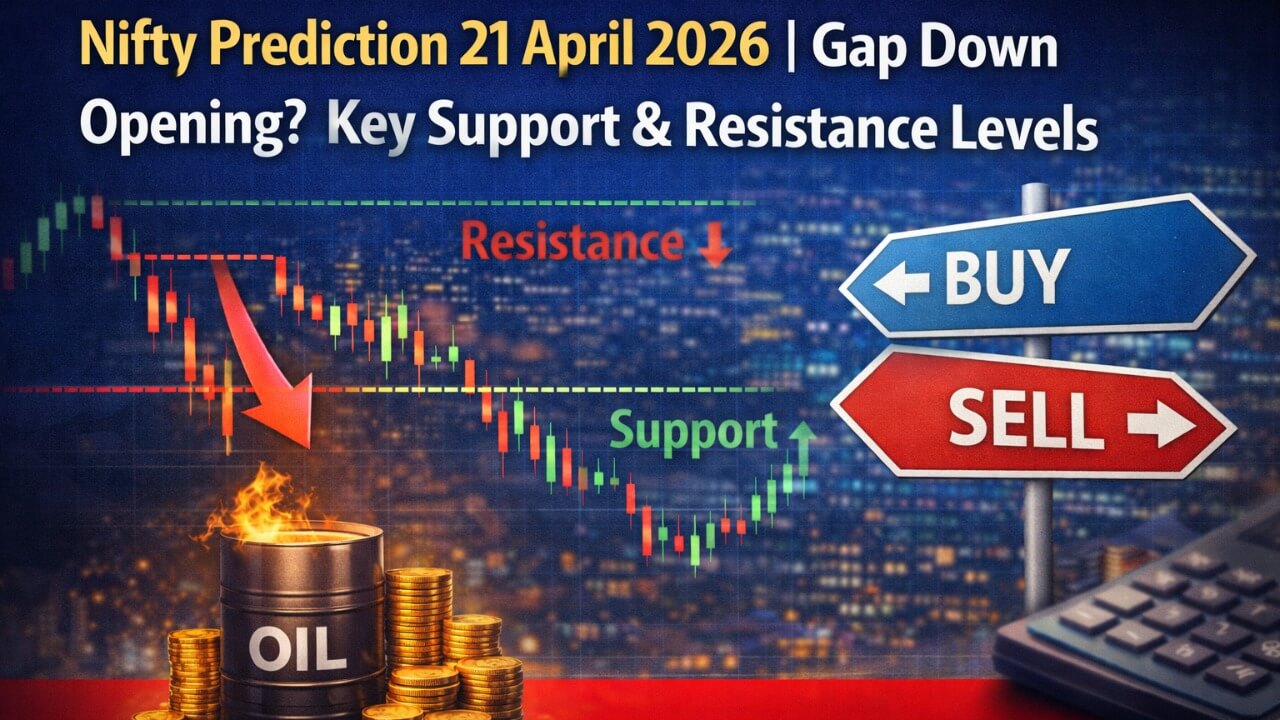
The crisis weighed on Indian equity markets, with aviation, paint, chemical, and oil-dependent sectors selling off sharply. However, when news emerged of potential peace talks and the Strait later reopening to commercial vessels, markets staged one of their biggest single-day rallies in recent memory — demonstrating the outsized impact that this geopolitical situation had on Indian financial markets.